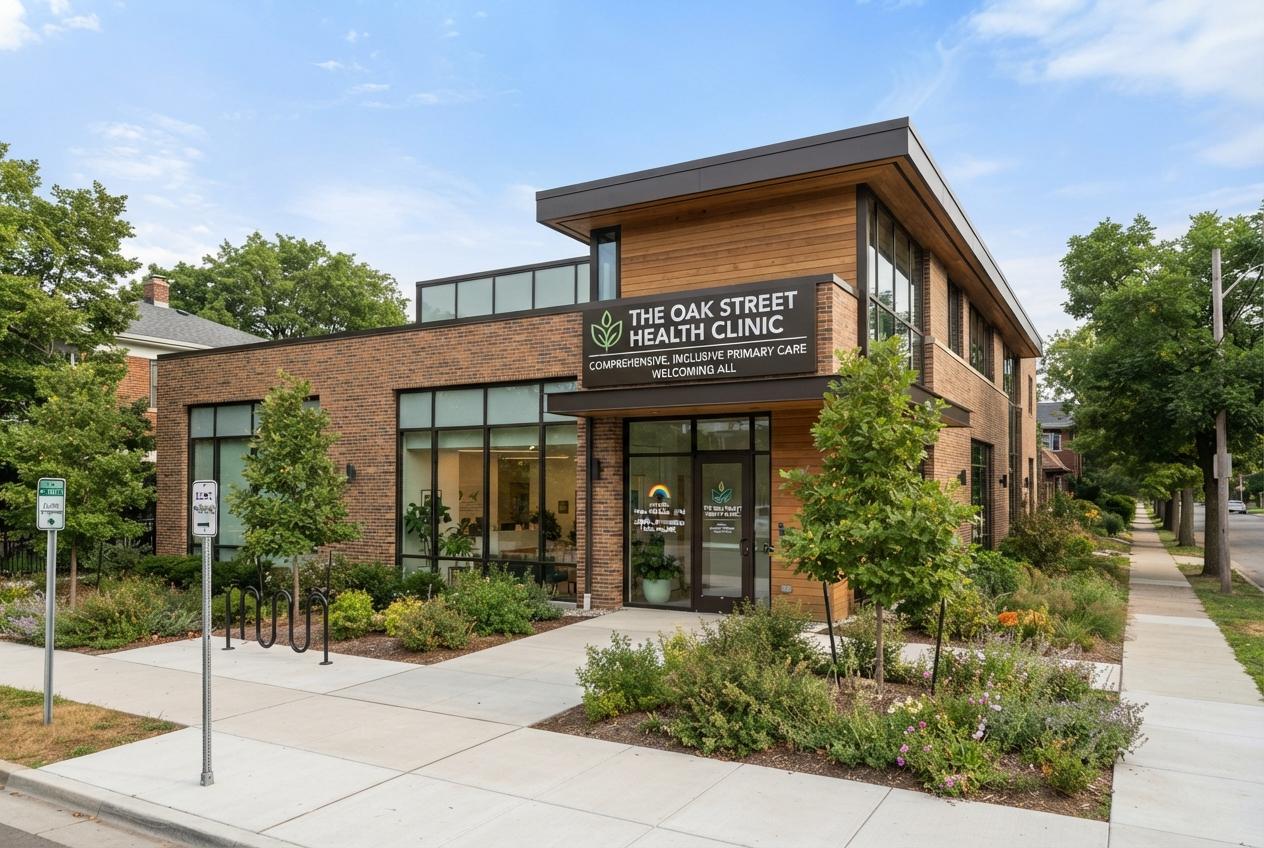
Shoppers are turning to simple, human habits , like asking and listening , to make clinics feel safer for LGBTQ+ patients. Clinicians across primary care and specialties are recognising that training, awareness, and small language choices matter because patients notice hesitation and may avoid care as a result.
Essential Takeaways
- Widespread gap: Many clinicians report no formal LGBTQ+ training in medical school or residency, leaving uncertainty in the consultation room.
- Real harm: One-third of LGBTQ+ adults report unfair or disrespectful treatment by health providers; transgender and nonbinary people are especially affected.
- Practical fix: Small phrases , “Tell me what that means for you” or “How can I make this safer?” , work better than silence.
- Training access: About a third of primary care practices now offer clinician training on affirming care, but uptake is far from universal.
- Trust matters: Visible signs of preparedness (forms, pronoun options, inclusive posters) help patients decide whether to disclose and return.
Why so many doctors still freeze , and why that silence hurts
When a clinician hears “my next patient is nonbinary,” the first reaction for many is a pause, sometimes dread, sometimes nervous laughter. That reaction matters because it’s obvious to the person across the room. KFF research shows a third of LGBTQ+ adults report disrespect or unfair treatment by health providers, and that avoidance of care is common among transgender and nonbinary patients. Silence and hesitation are not neutral; they’re signals that shape whether a patient feels safe enough to be honest. Practically, that honesty affects risk assessment, diagnoses, and follow-up care.
What medical education missed , and how society filled the gap
Most clinicians didn’t get formal LGBTQ+ health education in school or residency, so what they bring into the clinic is often a mixture of societal messages absorbed long before training. Those cultural lessons , from family, religion, television, and jokes , become an unofficial curriculum. The result is predictable: uncertainty gets filled with assumptions or avoidance. Public health reporting suggests only around a third of primary care practices offer clinician training on affirming care, so the institutional counterbalance is still catching up. The sensible response is straightforward: acknowledge the gap and seek targeted training rather than hope discomfort disappears.
Small phrases that make a big difference in a consultation
You don’t need perfect knowledge to be affirming; you need curiosity and transparency. Phrases like “I’m not familiar with that term, can you tell me what it means for you?” or “How can I address you so you feel respected?” invite partnership and reduce harm. When clinicians correct themselves quickly and sincerely , “Thank you, let me try that again” , patients register the attempt and are more likely to continue the conversation. These small language choices are practical tools: they preserve the clinical agenda while signalling safety, so relevant history and symptoms aren’t lost to discomfort.
Simple clinic changes patients notice before they walk in
Patients look for cues that a practice is prepared: intake forms that allow chosen name and pronouns, visible nondiscrimination statements, staff who model inclusive language, and waiting-room materials that reflect diverse identities. KFF and other public-health guidance note that these visible signals can determine whether a patient discloses important information at the first visit. For busy practices, start with intake forms and staff briefings , modest changes that reduce the need for ad‑hoc explanation in a pressured consultation.
Training, systems and the path forward
Training matters, but it’s not only about modules. The best outcomes come when education is paired with systems: electronic records that capture chosen name and pronouns, referral pathways for gender-affirming care, and protocols that avoid overfocusing on gender when it’s irrelevant. According to recent public-health surveys, clinician training in affirming care is growing but uneven; institutions should prioritise routine, refreshed training and role-play opportunities so clinicians practise navigating uncertainty rather than guessing in real time. The goal isn’t certainty, it’s competence: being able to practice through uncertainty without transferring discomfort to patients.
What clinicians can do tomorrow
Start with three steps: update intake forms to include chosen name and pronouns, run a short staff huddle to agree on language, and adopt a handful of go-to lines for moments of uncertainty. If you don’t know a term, ask. If you make a mistake, correct it quickly and move on. These actions don’t require grand policy shifts, just consistent choices that show patients you’re trying. Over time, those choices build trust and reduce the clinical risk that comes from withheld information.
It's a small shift in habit that can make every consultation feel safer.
Source Reference Map
Story idea inspired by: [1]
Sources by paragraph: