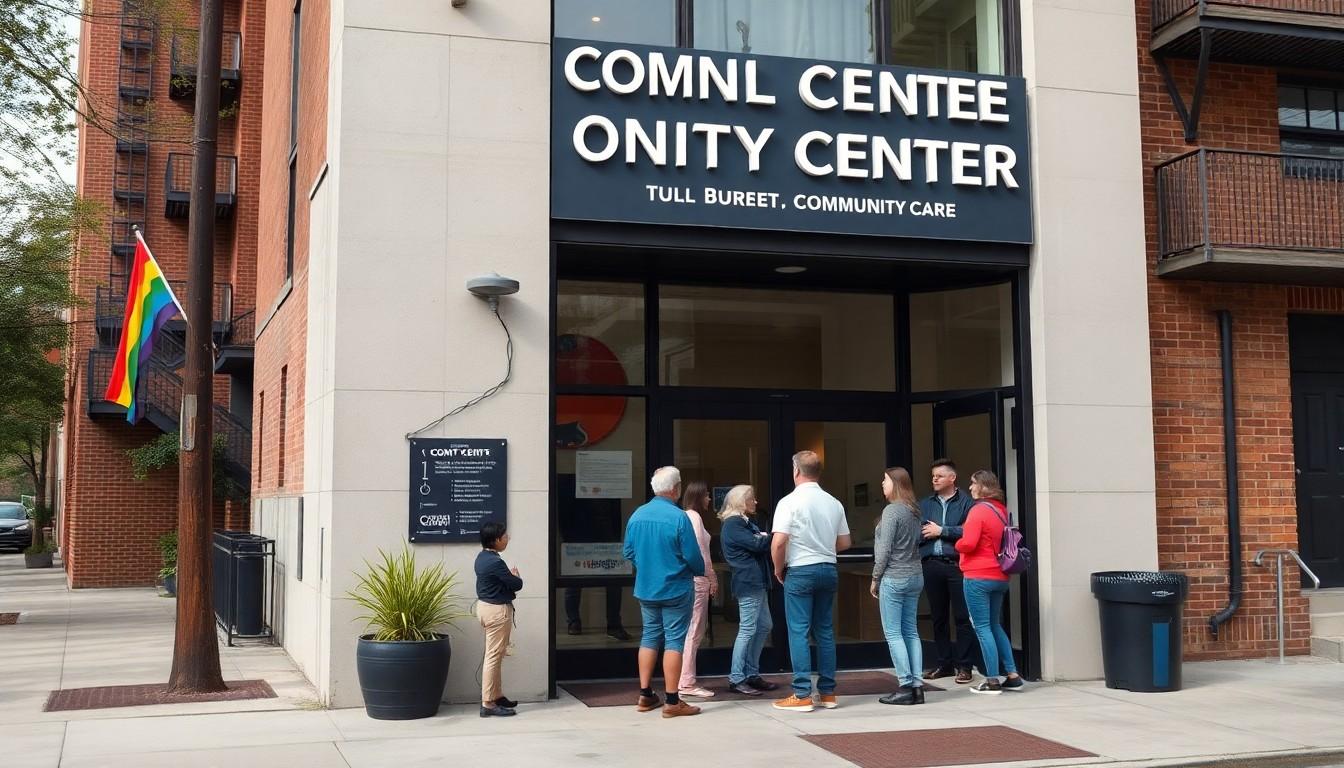
Celebrate the small, steady gestures that build belonging , from peer-led HIV groups to teachers using correct names , and why those everyday actions matter for queer and trans people across communities.
Essential Takeaways
- Peer support matters: Peer-led groups offer emotional safety, practical tips, and lasting friendships for people living with HIV, alongside medical care.
- Simple classroom moves help: Using a student’s name and pronouns, and visibly including LGBTQ+ topics, boosts trans and nonbinary students’ sense of belonging.
- Care that scales: Small acts , checking in, sharing resources, collecting toiletries , can ripple outward and strengthen local networks.
- Look and listen: Showing up often means noticing who’s missing a seat at the table, then doing something concrete to make room.
- Practical, low-cost actions: Host a monthly meet-up, start a toiletries drive, or add affirming language to classroom materials; each is doable and effective.
Why peer groups change outcomes for people living with HIV
There’s a quiet, human power in a room where people nod and say, “I get it.” Peer-led groups give that to folks newly diagnosed with HIV, offering the kind of empathy a clinic can’t replicate. Members swap tips about medication schedules, talk through relationship worries, and simply check in , and that emotional scaffolding often makes medical care easier to manage.
QBurgh’s reporting on Helping Hands shows how this started: a PrEP navigator noticed young Black men getting linked to treatment but lacking community. So she created a space where lived experience is the curriculum. When people feel less alone, they’re more likely to stay in care, keep taking meds, and advocate for themselves. If you’re thinking of starting something similar, begin small , a monthly meeting, tea and biscuits, and a clear confidentiality agreement.
How teachers can turn classrooms into belonging zones
Research cited in educational and health journals is simple and blunt: affirmation from adults makes a measurable difference. It’s not about elaborate programmes. Using a student’s chosen name and pronouns, including LGBTQ+ figures in lessons, and supporting student-led groups are all tangible moves that help trans and nonbinary students feel safer and more engaged.
School staff don’t need to be experts to be allies. Start by auditing classroom language, adding one inclusive resource to your syllabus, or publicly supporting an LGBTQ+ club. These small signals build trust, and trust turns a neutral classroom into a place a student knows someone has their back.
Small community projects that keep momentum going
Community care often scales by accretion: one person starts a meet-up, another brings supplies, a third spreads the word. Helping Hands, for instance, expanded from conversation to action by collecting toiletries for unhoused people with HIV. That’s the kind of low-cost, high-heartwork project anyone can replicate.
Practical steps: set up a donations box at a local venue, partner with a clinic to share needs lists, or host a clothing-and-toiletries afternoon with hot drinks and a listen. Those gestures meet immediate needs and create connections that keep people showing up for one another.
Why “safety” isn’t the same as belonging
There’s a subtle but important difference between a place where no one is actively hostile and a place where someone feels truly seen. Safety can be passive; belonging is active. Teachers who simply avoid harm are doing something, but teachers who speak up, correct misgendering, and teach inclusive histories are doing the work that turns safe spaces into welcoming ones.
Community organisations and volunteers should think in those terms, too. Are you removing barriers, or are you creating places where people feel they belong? The answer will shape how you design meetings, communicate, and reach out.
Tips for showing up without burning out
Care work shouldn’t require heroics. Set boundaries, share tasks, and make low-effort, high-impact choices. Rotate facilitation duties for peer groups, keep meetings short and consistent, and ask members what they want rather than assuming. If you’re a teacher, small curriculum changes and visible support can be sustained without overtime.
Remember: extending a hand doesn’t mean solving every problem. It means making a seat available, bringing food, offering a name, or simply sending a message to say you’re thinking of someone. Those acts add up.
It's a small change that can make every conversation safer.
Source Reference Map
Story idea inspired by: [1]
Sources by paragraph: