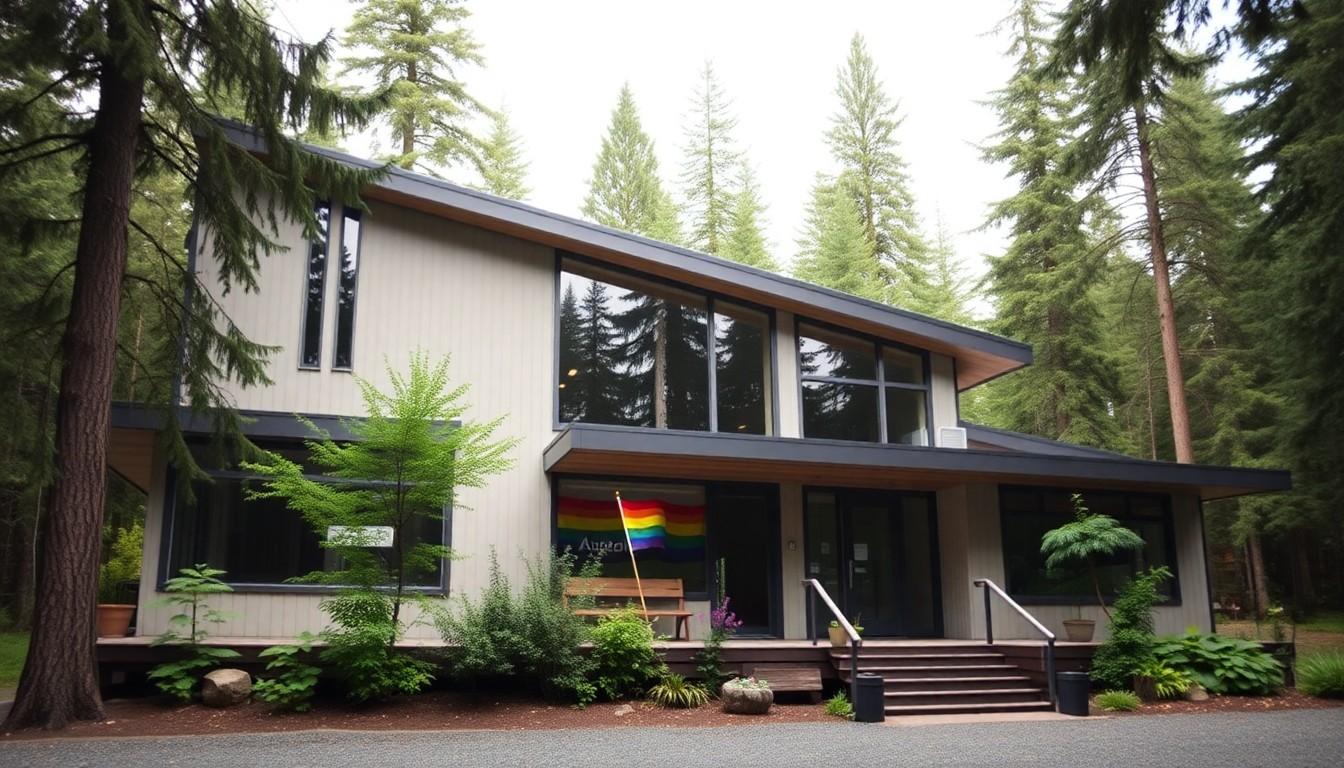
Shoppers are turning to community-led outdoor programmes that centre LGBTQIA+ people, offering skill-building, companionship and a new way to belong in nature; Washington-based Queer Nature shows why inclusive, place-based workshops matter for identity, health and practical outdoor know-how.
Essential Takeaways
- Founded and focused: Queer Nature began in 2015 to create outdoor spaces where Queer and Trans people feel welcome and seen.
- Skills plus story: Participants learn hands-on skills , tracking, basket weaving, hide tanning, natural dyes , tied to community storytelling and ecological observation.
- Belonging framework: The organisation uses an “ecology of belonging” that links personal identity with relationships to land and other species.
- Workshops and retreats: Offerings range from single-day sessions to immersive 10-day retreats like the Multispecies Monastery, and programmes exploring power and privilege.
- Emotional lift: Attendees report relief and connection, gaining both practical skills and networks of support to take into the wider world.
Why Queer-led outdoor programmes feel different
Queer Nature’s work lands with a quiet, tangible relief , participants often describe the woods or wetlands as unexpectedly warm, not cold. The founders, Pınar and So Sinopoulos-Lloyd, set out to interrupt outdoor spaces that traditionally centre cis-normative, straight narratives, and they’ve built something practical and ceremonial at once. According to Journal of Adventure Education research, language and culture have long framed queer lives as outside the natural order, which makes an explicitly Queer outdoor programme more than a hobby: it’s restorative. If you’ve ever felt like the trail didn’t have chairs for you, these gatherings offer one.
What you actually learn: traditional skills with modern context
Classes are delightfully tactile , you’ll handle cedar and willow for basketry, learn hide tanning, try natural dye extraction and practice animal-tracking methods. But it’s not skills for skills’ sake: organisers fold conservation science and cultural knowledge into each exercise. That means you’re learning to read an animal trail and to read your relationship to that trail. For people who’ve been told they don’t belong, that double lesson , craft and context , can feel quietly radical. Practical tip: pick sessions that list skill-levels and material takeaways if you want to return home with a finished piece.
The “ecology of belonging” and why language matters
Queer Nature frames belonging as something that emerges in relationship, not an individual achievement. That’s an important linguistic shift: rather than asking “do I belong?” participants are invited to test belonging with land, species and one another. Naturalist educators involved in the programmes emphasise mirroring , finding reflections of queer identities in the living world. For anyone who’s lived with cultural doubt about being “natural,” this approach can reframe identity as embedded, not exceptional. If you’re nervous about joining, look for beginner-friendly offerings and open circles where introductions and boundaries are honoured.
Retreats, community and long-term support
Beyond single-day workshops, Queer Nature runs multiday immersions that echo rites of passage, from a ten-day Multispecies Monastery to thematic labs on power and privilege. These longer formats build deeper social networks: participants often exchange contacts, skills and ongoing support. Organisers describe the work as sending a “bat signal” , a small, steady call to find one another. If you want real connection, choose immersive formats or return to a recurrent series; repeated attendance solidifies skills and friendships more than one-off events.
How this ties to wider outdoor and cultural trends
There’s growing recognition across outdoor education that diversity isn’t optional lip service but improves safety, learning and stewardship. Academic studies have traced how historical narratives excluded queer people from nature; programmes like Queer Nature are one practical response. For gear- and logistics-minded readers, the shift also matters: leaders are designing inclusive curricula, matching equipment sizes, and discussing safety in ways that mainstream outdoor clubs often don’t. Consider this: when organisers explicitly name identities and access needs, everyone learns better and trips run smoother.
It's a small change that can make every walk, weave or wilderness immersion feel like it was meant for you.
Source Reference Map
Story idea inspired by: [1]
Sources by paragraph: