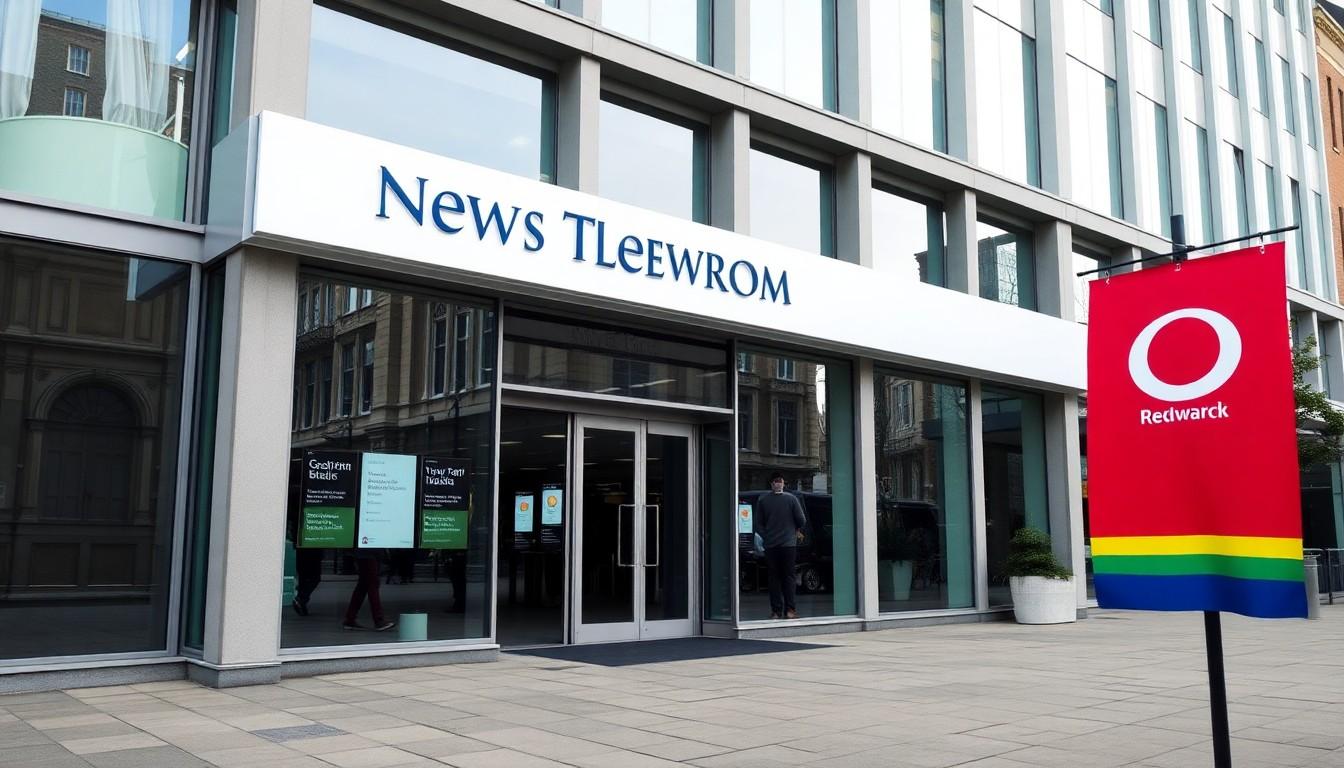
Notice how Pride coverage often reads like a parade brochure rather than reporting; readers, parents and commentators are asking who’s responsible for policing what’s appropriate at family-friendly events, and why mainstream newsrooms sometimes shy away from the harder questions.
Essential Takeaways
- Visibility vs scrutiny: Major outlets often publish celebratory galleries and guides, which boost attendance but can sidestep governance and safeguarding questions.
- Concrete concerns exist: Videos and photos showing fetish attire and overtly sexual costumes at daytime events have prompted public debate and complaints.
- Regulation and guidance vary: Some organisers publish clear safety policies; others rely on broad “family-friendly” labels with limited enforcement.
- Debate has consequences: Broadcasts that test controversial views have triggered mass complaints and regulator investigations, highlighting tensions between free debate and community standards.
- Practical tip: Parents should check event safety pages and code-of-conduct rules before attending with children; journalists should press organisers for enforcement evidence.
Why so much Pride reporting feels like promotion
The colours, music and smiling crowds make great visuals, and publications love an upbeat gallery that drives clicks. But according to reporting and social chatter, those same picture-led features can miss problems such as adults in fetish gear appearing at daytime family zones. Local newsrooms, which should hold community events to account, sometimes default to promotional copy , event guides and “best dressed” lists , rather than probing how organisers balance celebration with safeguarding. If you’re a journalist covering Pride, ask for the event’s safeguarding policy, evidence of steward training and examples of enforcement; if you’re a parent, look for those details before you go.
What scrutiny looks like , and what’s been missing
Some cities and organisers publish explicit rules about where certain performances can happen and how children will be protected. New York Pride, for instance, outlines safety and accessibility measures that reporters can cite and test. Yet many UK reports on Pride have omitted questions raised online about provocative costumes in family spaces, which fuels the perception that scrutiny is selective. That gap matters because asking uncomfortable questions isn’t an attack on a community; it’s how journalists help events be safer and more genuinely inclusive. Practical takeaways: newsrooms should pair bright galleries with plain-language explainers about policies and complaints processes.
When broadcasters test the line: debate, complaints and regulation
Live discussion programmes that invite critical views on Pride sometimes draw heavy regulatory scrutiny. Recent high-profile broadcasts prompted thousands of complaints to Ofcom, not necessarily because the views were unchallenged, but because many viewers objected to them being aired at all. That tension , between open debate and the risk of amplifying offensive claims , is real and unresolved in media circles. Editors and producers need clear framing, fast fact-checking and a willingness to host dissenting voices from within the communities concerned, so debates aren’t reduced to political theatre.
Safeguarding claims vs lived experience: what parents see
Parents and carers watching footage of Pride parades have raised questions about what “family-friendly” means in practice, especially when children appear near scantily clad adults. Campaigns and petitions have sprung up calling for clearer age-appropriate zoning and better steward intervention. Organisers can respond by publishing searchable codes of conduct, stewarding plans and post-event reports of incidents and sanctions. Simple advice for families: choose daytime events with explicit child-friendly programming and ask organisers what steps they take if a parent flags a concern.
How newsrooms can cover Pride responsibly , and still celebrate
Celebration and scrutiny aren’t mutually exclusive; a balanced approach showcases the joy while interrogating safety, corporate involvement and representation. Reporters should seek a range of voices: attendees, parents, organisers, safeguarding experts and those who feel alienated by current messaging. Transparency helps: link to policy documents, name the stewarding company, and request data on complaints and enforcement. Do that, and coverage becomes more useful to readers , and more credible.
It's a small change that can make every Pride both joyful and safer.
Source Reference Map
Story idea inspired by: [1]
Sources by paragraph: