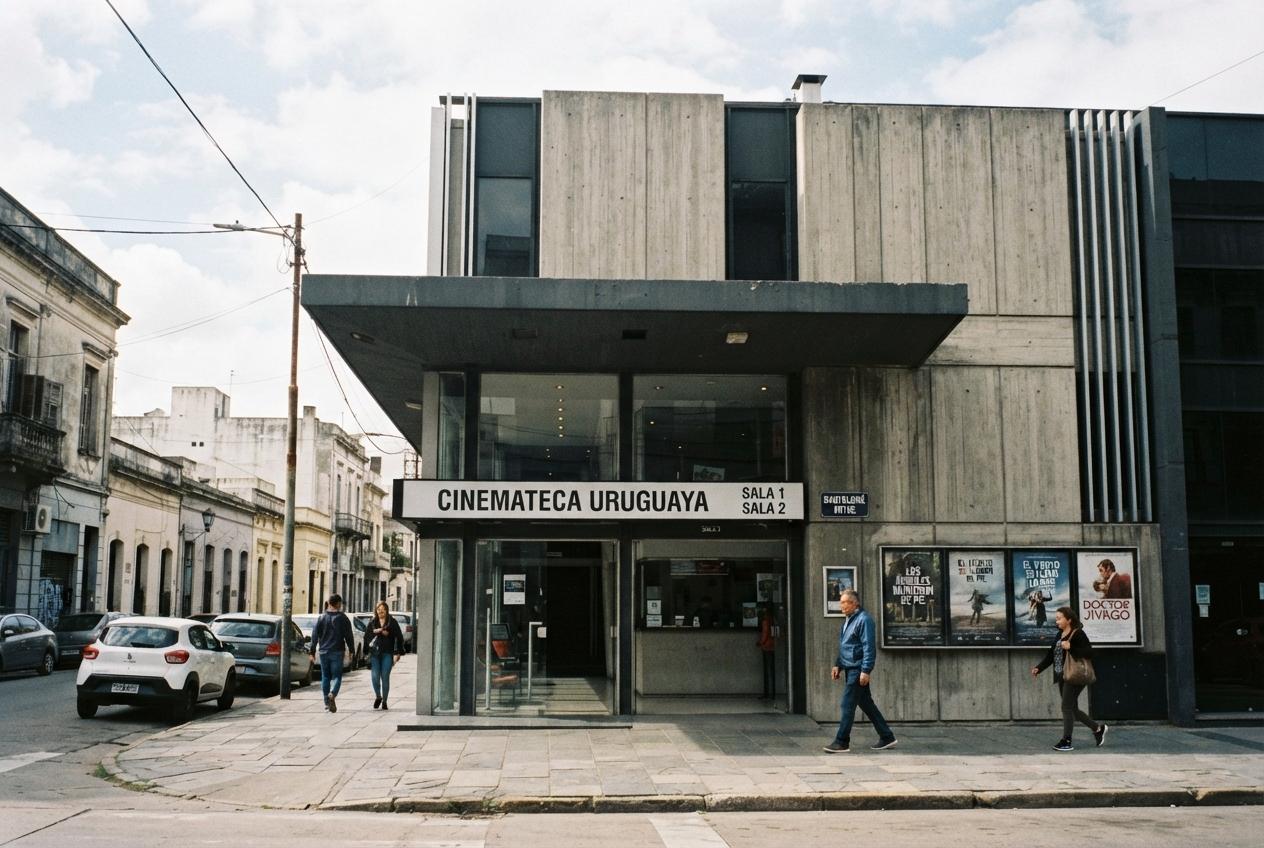
Shoppers of culture and curious cinephiles are turning to Llamale H this September; the Festival Internacional de Cine sobre Diversidad Sexual y de Género runs 1–30 September with free streaming, in-person screenings across nine departments, and a bigger, bolder programme than ever , here's what to see and why it counts.
Essential Takeaways
- Dates and reach: The festival runs 1–30 September, with activities in about twenty venues across nine departments and part of the programme free on +Cinemateca streaming.
- Curatorial focus: This edition centres trans identities, with programming chosen from nearly 300 titles screened by a careful curation team.
- Headliners and events: Linn da Quebrada appears for films, a Teatro Solís conversation and a free Montevideo Music Box show; other guests include Ana Prada and Samantha Navarro.
- New look and access: A fresh visual identity and a campaign by Punto Ogilvy accompany a revamped website; most events are free apart from some paid Cinemateca and Life Alfabeta screenings.
- Safety and reach online: Streaming offers anonymous on‑demand access , crucial for viewers in places where attending publicly could carry stigma.
A festival that’s grown into a month-long celebration
Llamale H has stretched from a few days into a whole month of screenings, talks and performances, and it shows. The director Cote Romero says this is the largest edition yet, and you can almost feel that ambition in the schedule: dozens of films, two blocks of forty short films streamed, and special events across the capital and beyond. For audiences, that means flexibility , morning talks, evening screenings, and late-night gigs to suit different moods.
The festival’s expansion also responds to demand. Organisers screened around 300 submissions to build the line-up, which makes the selection feel curated rather than scattershot. If you fancy a relaxed weekend of discovery or a concentrated binge on queer cinema, there’s now room for both.
Why trans identities are centre stage this year
Organisers decided early to foreground trans experiences, and that thematic clarity gives the festival a strong heartbeat. The decision shaped programming, visual art and guest choices , Josefina González from Mides opens the festival, and the poster honours Gloria Álvez. That’s not just symbolism; it’s a deliberate editorial stance that lets films and talks converse with contemporary activism.
For viewers, the payoff is sharper storytelling and more varied representation. If you’re choosing what to see, look for slots flagged under the trans-curatorial line , they’re likely to offer both personal narratives and broader social context.
Linn da Quebrada and live moments you won’t want to miss
A headline pull this year is Linn da Quebrada, the Brazilian artist who brings star power and a political edge. She’s in two films, takes part in an artivists’ conversation at Teatro Solís, and performs a free show at Montevideo Music Box on 5 September. That blend of cinema and live performance is exactly what keeps festivals feeling alive: you can watch, talk, then hear the artist’s voice in person.
Beyond Linn, the programme includes musicians and performers like Ana Prada and Mica Sapin, so expect a mix of film nights and club-adjacent events. If you’re planning a night out, pair a screening with a talk or a set , it makes for a richer, more social experience.
Streaming matters: anonymity, access and reaching rural audiences
One of the clearest shifts is how much the festival leans on online access. Streaming via +Cinemateca brings a lot of the programme to anyone with an internet connection, and that’s both practical and protective. Romero points out that in smaller towns, watching from home reduces the risk of stigma for people who might not feel safe attending in person.
Practically, that means you can build your own mini-festival: schedule a couple of shorts one evening, save a feature for the weekend, and keep things private if you prefer. Organisers have intentionally programmed shorter blocks online, making it easier to discover new directors without committing an entire evening.
New branding and a bigger communications push
This year’s campaign, created with Punto Ogilvy, gives Llamale H a fresher, more colourful identity: a square logo with colourful LLH letters replaces the old handwritten H. The change comes with a new website, radio and TV spots, and a push to reach beyond the usual festival crowd. It’s a smart move , festivals need to look as exciting as their programmes, and the campaign aims to do just that.
If you’re new to Llamale H, check the website first for schedules and ticketing. Most events are free, but bear in mind that some Cinemateca and Life Alfabeta screenings require paid tickets, so book ahead for those.
It's a small change that can make every screening feel like part of a larger conversation.
Source Reference Map
Story idea inspired by: [1]
Sources by paragraph: