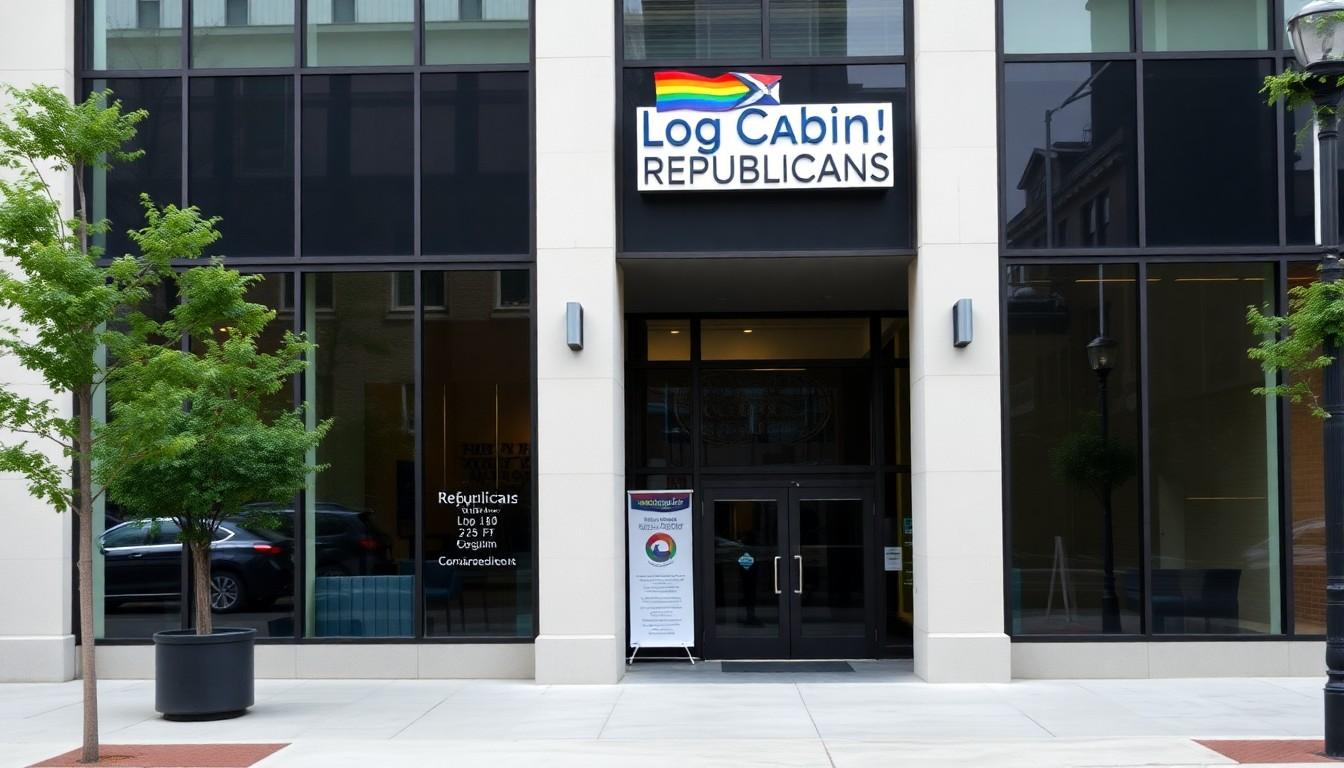
Shoppers and voters are noticing a quieter, sharp turn: the Log Cabin Republicans have publicly rolled back support for transgender people, and it matters for queer politics, GOP alignment and everyday advocacy decisions across the United States. Here’s what changed, why it’s significant and how you can respond.
Essential Takeaways
- Key move: The Log Cabin Republicans removed references to transgender people from their public platform and said they will no longer focus on trans advocacy.
- Why it matters: The shift signals a policy realignment that gives conservative lawmakers cover to press anti-trans measures while claiming LGBT credibility.
- Tone and rhetoric: Leadership framed the change as a reaction to concerns about minors, using phrases that mirror mainstream anti-trans talking points.
- Practical impact: Expect fewer institutional allies for trans-inclusive bills within GOP circles and increased pressure on local schools, sports leagues and medical-policy debates.
- Emotional cue: For many queer people, the decision feels like a betrayal , a cold, strategic retreat that sacrifices trans lives for political convenience.
What exactly did the Log Cabin Republicans do , and why people noticed right away
The clearest fact is simple: the group quietly removed the “T” from visible parts of its platform and said it’s stepping back from trans-focused work. That change landed with a thunk because the Log Cabin Republicans have long billed themselves as conservative LGBT advocates; their new stance reads like a deliberate distancing from a community segment that’s under intense attack. Reporting from outlets including LGBTQ Nation and The Washington Post highlighted the edit and the accompanying messaging, which leans heavily on concerns about youth and sports. For supporters of trans rights, this feels less like nuance and more like a concession to the GOP’s anti-trans agenda.
How the messaging echoes the wider anti-trans playbook
Leadership rhetoric framed the retreat as a response to “radical” trends and the focus on minors , a familiar pattern. That language mirrors talking points used by state legislators and national conservative media to push bans on gender-affirming care, limit pronoun and name usage in schools, and exclude trans girls from girls’ sports. Conservatives have weaponised the narrative around children for years, and the Log Cabin’s statement fits neatly into that frame. According to reporting across several outlets, the group’s leaders argued they had “not anticipated” how debates would evolve, but many activists see that as a strategic pivot rather than a principled rethink.
What this means for LGBT political cover and Republican messaging
For years, Republican politicians have pointed to groups like the Log Cabin Republicans as evidence that conservative credentials and LGBT rights can coexist. That badge of legitimacy now looks thinner. With the group stepping away from trans advocacy, GOP lawmakers opposed to transgender rights get a freer hand, while genuinely pro-LGBT Republicans lose a pragmatic partner for building bipartisan protections. The practical upshot is that state-level fights , over schools, healthcare and sports , will likely get tougher for trans people, because fewer Republicans will feel political risk in backing exclusionary measures.
How activists and allies are reacting , and what they’re planning next
Reaction has been sharp. Advocates call the move a betrayal that abandons the most vulnerable within the queer community. Many organisations that support trans rights are doubling down on local organising, legal defence funds and public education about gender-affirming care. If you’re an ally wondering where to channel support, consider donating to trans-led groups, volunteering with school-safe initiatives, or backing local candidates who explicitly oppose anti-trans bills. The practical advice from community groups is consistent: stay local, document harms, and keep pressure on institutions rather than relying on nationalised, predictable fallbacks.
Choosing where to put your trust and your vote now
This moment is a reminder that coalition politics can be fragile and transactional. If you’d previously assumed mainstream conservative LGBT groups would act as a bulwark, reassess. Look at policy records, not simply labels; ask how organisations respond when rights are under pressure, not just when things are calm. For voters and donors, that means probing candidates and groups for concrete commitments: will they defend access to gender-affirming care, protect trans youth in schools, and oppose discriminatory sports bans? Those are the measures that matter in practice.
It's a small change in a website, but it’s a loud signal: political convenience is overtaking coalition care.
Source Reference Map
Story idea inspired by: [1]
Sources by paragraph: