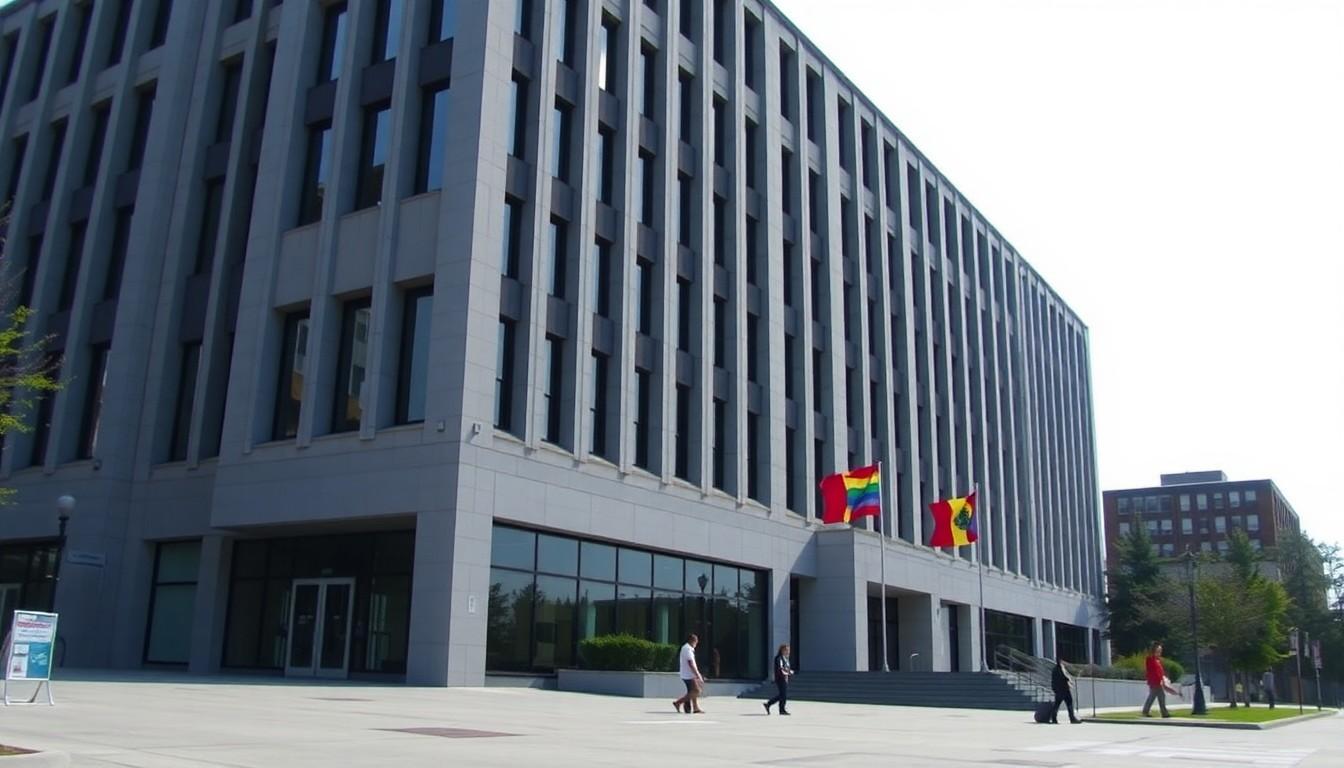
Notice how an acronym can spark a national conversation: Canadians, politicians and Indigenous leaders are debating the federal 2SLGBTQI+ label, why it was adopted, and what it signals about identity, inclusion and language in public life. Here’s a clear, practical take on what’s changed, why it matters, and how to follow the story.
Essential Takeaways
- What it stands for: 2SLGBTQI+ begins with Two‑Spirit to acknowledge Indigenous identities alongside lesbian, gay, bisexual, transgender, queer, intersex and others.
- Official move: The federal government adopted the term as part of the 2022 Federal 2SLGBTQI+ Action Plan to guide policy and programs.
- Tone and reaction: The change has provoked debate, some welcome recognition of Two‑Spirit people, others worry about historical meanings being reframed.
- Practical effect: The term mainly shapes government communications and targeted programming; individual usage varies across organisations.
- Choosing language: Use community guidance and context, ask which term people prefer and follow organisational style when in doubt.
Why the acronym matters now , and why people notice its order
The fact that Two‑Spirit appears first in the federal acronym is deliberate and sensory in a political way: it signals priority and recognition. According to government materials, the change aimed to centre Indigenous histories and identities in federal action. That move has a symbolic weight that plays into public debates about reconciliation, representation and historical interpretation.
Some commentators worry that inserting contemporary LGBT frameworks into Indigenous concepts flattens nuance; others see the change as overdue acknowledgement. For readers, the takeaway is simple: language in policy isn’t neutral. It’s a quick way to tell whose experience is being prioritised in the conversation.
How the federal action plan shaped the shift
The Federal 2SLGBTQI+ Action Plan, published in 2022, formalised the acronym across departments and funded programs. The plan sets out objectives for inclusion in services, workplace policy and community supports, so its language isn’t just rhetorical , it steers who gets counted and who benefits from targeted funding.
If you work in public services or advocacy, this matters practically. Organisations update forms, training and outreach to line up with federal terminology. For the rest of us, it explains why you’ll see 2SLGBTQI+ more often on government web pages and grants.
Two‑Spirit: history, meaning and the debate over interpretation
Two‑Spirit is a modern umbrella term coined in 1991 to describe varied Indigenous understandings of gender and spirit roles. Putting Two‑Spirit first in the federal acronym was intended to reflect Indigenous leadership in this area, but it has also provoked pushback from people who say their cultural traditions are being read through contemporary LGBT categories.
Listen to Indigenous voices when you encounter the term. Some communities embrace Two‑Spirit language; others prefer traditional terms from their own languages. In short, context matters: what’s respectful in one community can feel like appropriation in another.
Acronym fatigue and why new labels keep appearing
You’ve probably noticed acronyms multiplying over time: LGBTQ, LGBTQ2, 2SLGBTQI+ and more. Institutional updates and efforts to be inclusive have produced longer strings of letters meant to capture diverse identities. That expansion can feel clumsy or comic, but it reflects a sincere attempt to name marginalised groups.
For practical use, follow the lead of the community you’re addressing. Many organisations publish style guides; unions and charities have adopted 2SLGBTQIA variants, while cancer and healthcare groups use 2SLGBTQI+ in equity work. If you’re unsure, ask.
What this means for everyday conversations and policy watching
For everyday Canadians, the change mainly influences official language and who’s visible in policy. For advocates and service providers, it helps direct resources and supports. Politically, the debate over the acronym is a proxy for larger questions about how the state recognises identity and whose histories are centred in public life.
If you want to keep up: check government releases, follow Indigenous voices, and pay attention to how organisations choose terminology in practice. That will tell you far more than the online snark about unwieldy acronyms.
It's a small linguistic shift with outsized symbolism , worth noticing and, when in doubt, asking respectfully.
Source Reference Map
Story idea inspired by: [1]
Sources by paragraph: