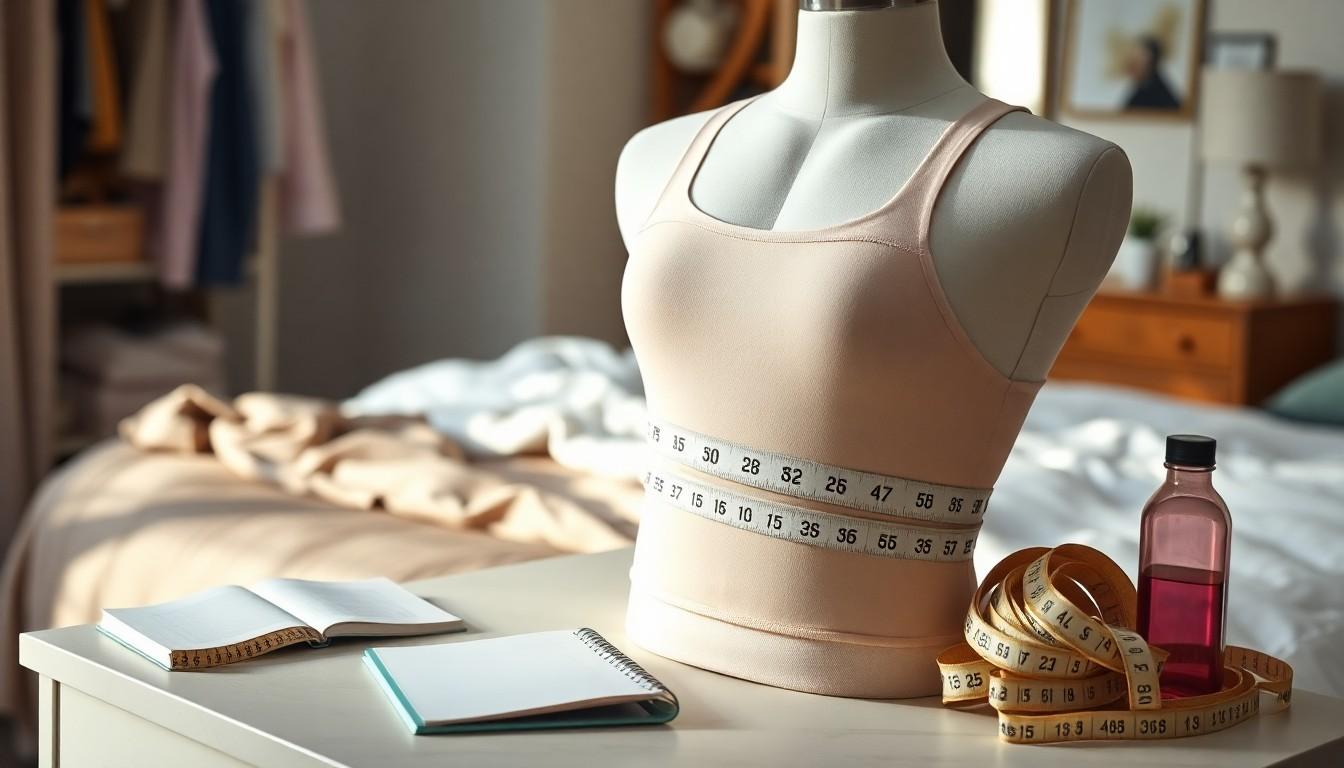
Shoppers are turning to smarter fit over brand hype , whether you need a binder for daily wear, workouts, or cosplay. This guide explains how chest measurement, panel design and compression level change the outcome for larger chests, plus practical tips on choosing safe, comfortable binders that actually work.
Essential Takeaways
- Measure first: chest circumference at the fullest point and underbust are the two numbers that decide fit.
- Look for extended front panels: they prevent tissue spill and give a flatter shape for larger chests.
- Match compression to activity: high-impact sport styles differ from everyday or cosplay options in breathability and mobility.
- Safety rules matter: limit wear time, never sleep in a binder, and stop if you feel numbness or trouble breathing.
- Brand signals: transparent size charts, fabric blends and return policies usually indicate a safer purchase.
Why measurement beats bra-size rules every time
Your tape measure is suddenly the most useful tool in the drawer , and it should be. The key measurements are your full chest (around the fullest point) and your underbust. That pair tells you whether a standard size truly fits or if you need extended sizing designed for fuller tissue. According to community fit guides, many issues come from treating a binder like a bra and guessing cup sizes rather than checking circumference. Practical tip: take measurements relaxed, not holding your breath, and compare them with the brand’s chart.
What front-panel design does for larger chests
If you have a larger chest, the front panel matters more than the colour or logo. Wider, solid front panels and longer coverage across the sternum help flatten tissue without pushing it up under the collarbone or out toward the underarms. Brands that advertise “extended sizing” usually adjust the cut and panel lengths to accommodate volume instead of just stretching a smaller pattern. In practice, that means less digging at the ribs and a smoother silhouette. Try styles with broader side coverage and check user photos where possible.
Choosing the right binder by activity
Not all binders are built for the same day. Racerback, compression-sport styles use Lycra blends and often have larger armholes for mobility during workouts, while half-length, nude-tone options focus on invisibility under thin shirts and lighter compression for everyday wear. For cosplay, prioritise lightweight, quick-drying fabrics and mesh panels to cope with heat and long event days. If you need strapless or zip-up convenience, remember those cuts trade some compression for specific wardrobe needs or easier on-off access.
Safety essentials everyone should follow
Safety isn’t optional. Medical sources and manufacturer guidance consistently recommend limiting consecutive wear, avoiding overnight use, and never combining a binder with tape or elastic bandages. If you experience numbness, dizziness or sharp pain, remove the binder immediately and reassess fit. Other habits that help: give binder-free breaks during the day, hand-wash and air-dry to preserve elasticity, and size to your measurements rather than sizing down to chase a flatter look. For teens or new binders, choose gentler compression and shorter wear times while getting used to the garment.
Comparing the market: what to look for before you buy
Good sellers publish a detailed, measurement-based size chart, list fabric blends and offer reasonable return policies. Riskier listings often lack these details and rely on marketing language. When comparing reviews, prioritise notes about breathing comfort and rib pressure over aesthetic comments. If you need extended sizes, seek brands that genuinely produce patterns in 6XL and above rather than stretching small patterns bigger. For zip-up designs or cotton-lined options, check care instructions and whether the brand advises sizing differently for active use.
Practical tips for first-time binders and parents
If you’re new to binding, start with shorter wear windows and a gentler compression level; you can increase duration as you learn your body’s signals. Parents shopping for teens should favour softer compression and open conversations about comfort cues like numbness or shortness of breath. For everyone, keep a binder-free day in the week if you can, and pair binder shopping with learning about other gender-affirming gear so you build a wardrobe that supports comfort and safety over time.
It's a small change that can make every day feel more comfortable and confident.
Source Reference Map
Story idea inspired by: [1]
Sources by paragraph: