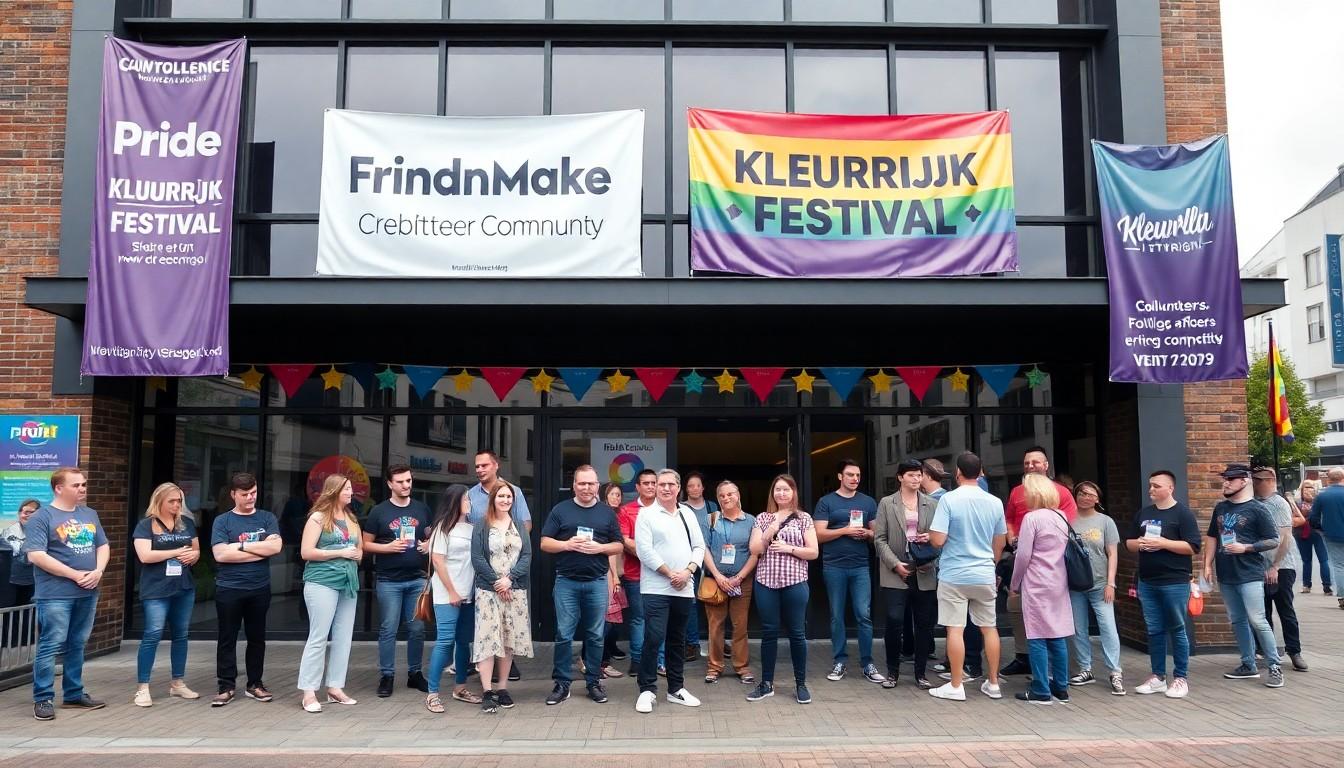
Enjoying two vibrant diversity events on the same weekend felt a little like choosing between two great cakes , both worth tasting, but awkward when placed side by side. Residents and organisers in Zwolle are rethinking dates, sites and partnerships after the Zwolle Pride and the new Kleurrijk Festival ran head-to-head, leaving organisers to promise a smoother plan for next year.
Essential Takeaways
- Two festivals, one weekend: Zwolle Pride and the Kleurrijk Festival happened simultaneously, splitting audiences and attention.
- Different missions: Zwolle Pride focused on LGBTQIA+ rights and community; Kleurrijk pitched diversity in the broadest sense, from multicultural arts to religious and gender conversations.
- Attendance and weather: Kleurrijk drew about 2,000 visitors (organisers had hoped for 3,000) and cut its outdoor programme early because of rain.
- Public funding split: The Kleurrijk Festival received a municipal subsidy (around €45,000) after a different Pride organiser did not receive funding last year.
- Next steps: Organisers talk about avoiding overlaps, shifting dates or locations, but merging the events is unlikely because each group wants to keep core values visible.
Why two diversity parties felt like a scheduling mishap
There was a very visual sense of collision: two stages, two crowds, one city weekend. The Kleurrijk Festival set up at the Makersfabriek on the outskirts while Zwolle Pride held its parade and central-stage celebrations around the Grote Kerkplein. The result was an awkward divide , people asking where each event was, and organisers puzzling over shared audiences.
City politics and past disagreements help explain how this happened, and the split feels partly administrative as much as accidental. One event pitched itself as celebration and protest for the LGBTQIA+ community, and the other aimed to be an open, family-friendly scene celebrating cultural plurality. That difference in purpose matters when you ask whether the festivals should join forces.
Funding and history shaped the weekend’s layout
Last year’s Pride was organised by one group, but criticism and a loss of municipal subsidy changed the roster. A new committee stepped in for the Pride march, while MYpodium developed Kleurrijk and successfully secured the city subsidy for a broader festival. That funding decision effectively put two organisers on the same weekend , and that’s where the clash began.
It’s worth noting that public funding decisions influence programming, location and audience reach. When a civic body backs one concept over another, organisers adjust plans and sometimes end up running parallel offerings rather than complementary ones.
What worked at Kleurrijk , and what fell short
Kleurrijk offered a colourful mix: Senegalese food stalls, Ukrainian performers in traditional dress, kids’ craft workshops and pop-up arts. Visitors could expect a friendly, hands-on feel, and organisers emphasised dialogue across cultural and belief lines. Rain spoiled the evening plan, forcing organisers to end the outdoor stage earlier than hoped, which probably dented night-time income from food and drink.
For organisers, the takeaways are practical: consider an indoor backup, think about crowdflow and check weather contingency plans. And if your event overlaps with another public celebration, expect some audience bleed. It’s not always about competition , sometimes it’s simply logistics.
Why the Pride organisers resist merging or diluting their message
Representatives from Zwolle Pride are clear: while both events champion diversity, the Pride’s core is political and community-centred for LGBTQIA+ people. Mixing into a broader festival risks sidelining those specific values and the visibility of protest and advocacy that many participants value.
That position is important to respect. When planning next year, a better solution might be co-ordination rather than fusion , separate dates or programmed touchpoints where both events support each other without losing identity. For instance, a Pride march could end at a larger festival site without giving up its platform or message.
Practical options for 2027 planning , dates, locations and collaboration
Organisers have floated several fixes: moving Kleurrijk closer to the city centre, pairing dates differently (perhaps after Keti Koti on 1 July), or creating linked but separate events so audiences don’t have to choose. Municipal planners could facilitate a calendar of civic festivals to avoid future clashes and help maximise attendance for both.
If you’re organising or attending similar events, think about clarity in marketing (clear maps and schedules), contingency for weather, and simple signage so visitors don’t wander to the “wrong” festival. And if public funding is involved, transparency about aims and expected audience helps everyone plan better.
It's a small change in timing and coordination that could make every celebration feel fuller, fairer and less conflicted next year.
Source Reference Map
Story idea inspired by: [1]
Sources by paragraph: