Shoppers are turning to clearer school policies , and so are parents. A Tasmanian parliamentary inquiry has found LGBTQ+ students face disproportionate bullying and patchy support, prompting calls for consistent inclusion training, better mental‑health help and clearer rules on names and bathrooms across government and non‑government schools.
Essential Takeaways
- Disproportionate harm: LGBTQ+ students, especially transgender and gender‑diverse young people, face higher rates of bullying and discrimination than their peers.
- Patchy policies: Schools vary widely on inclusion measures; some lack clear rules on preferred names or access to bathrooms.
- Training gap: Staff training on LGBTQ+ inclusion and handling discrimination is inconsistent and often inadequate.
- Concern over policy conflict: Catholic Education Tasmania has been criticised for employment practices that may clash with state anti‑discrimination protections.
- Practical asks: The inquiry urges standardised anti‑bullying procedures, more mental‑health resources, and individual‑stall unisex bathrooms where feasible.
Why the inquiry matters for everyday school life
The inquiry’s headline finding is simple and upsetting: queer students are often fighting battles at school that nobody should face while trying to learn. That’s not just a statistic , it’s a classroom vibe, a lunchroom tension, the anxiety before gym class. According to reporting from ABC and the parliamentary committee documents, the inquiry set out to pin down how widespread that harm is and what schools are doing about it.
Schools aren’t islands. When policies are inconsistent, young people notice. The inquiry shows that where leadership takes inclusion seriously, students feel safer; where it doesn’t, the opposite happens. For families, this means school prospectuses and website pages aren’t just PR , they can be early clues about real culture.
Where schools fall short , names, bathrooms and confidentiality
A recurring practical problem: transgender and gender‑diverse students don’t always get consistent support when they change names, need bathroom access, or report bullying. The committee heard that processes vary so much that what’s possible in one school is blocked in another.
That matters in everyday terms: being forced to use the wrong name, or denied access to a private bathroom, can make a small school day feel like a siege. The inquiry recommended schools adopt straightforward policies around preferred names and, where possible, create single‑stall unisex facilities. As a tip, parents and carers should ask schools directly about these policies at enrolment meetings and check whether staff receive regular training on handling name and facility changes.
The Catholic Education spotlight and legal tension
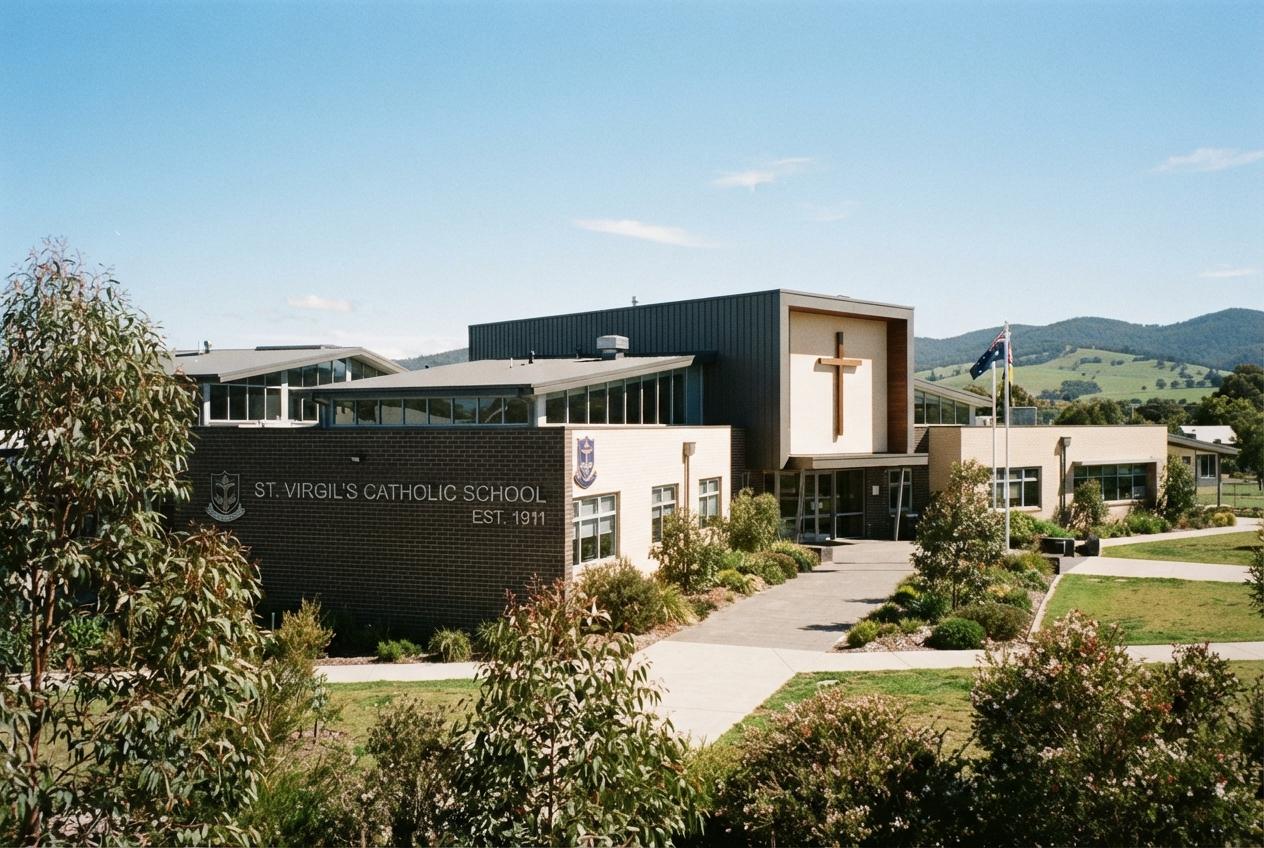
The report digs into claims about Catholic Education Tasmania, finding evidence staff were discriminated against over sexual orientation and marital status. That’s been a fraught issue for a while: ABC reporting last year flagged similar concerns and the committee has now formalised them in its findings.
There’s a legal wrinkle too. Catholic education bodies argue their practices comply with Commonwealth law, but the committee noted potential conflicts with Tasmania’s Anti‑Discrimination Act. Until courts resolve that tension, the inquiry’s findings heighten pressure on both religious and government schools to clarify how employment and student policies line up with anti‑discrimination protections. If you work for a school or are applying for a job in education, it’s worth checking both state and federal guidance and seeking clarification from employers about their policies.
What the inquiry recommends , training, mental health and consistent rules
The remedies are practical and, importantly, measurable: more comprehensive LGBTQ+ inclusion training for staff, clearer anti‑bullying procedures, increased mental‑health support for students, and uniformity of policy across government and non‑government schools. Equality Tasmania and other advocates welcomed the report, saying it underscores the need for systemic change rather than ad hoc fixes.
For parents seeking concrete action, ask schools whether their staff have completed recent inclusion training, whether there’s a named contact for LGBTQ+ students, and how incidents are logged and followed up. Those are the sorts of boxes the committee wants filled.
How the system might change and what to watch next
This report doesn’t instantly rewrite practice, but it does shift the conversation from isolated complaints to statewide standards. The parliamentary committee has put the ball in the Tasmanian Government’s court and onto education providers’ desks. Watch for policy updates, funding commitments for mental‑health services in schools, and whether Catholic Education Tasmania responds with clearer employment and student guidance.
Parents, students and staff can help by keeping records of incidents, asking for policy copies, and joining local school councils or parent groups to press for change. Small, steady pressure often produces practical shifts faster than heat alone.
It's a small change that can make every school day feel safer and more focused on learning.
Source Reference Map
Story idea inspired by: [1]
Sources by paragraph: