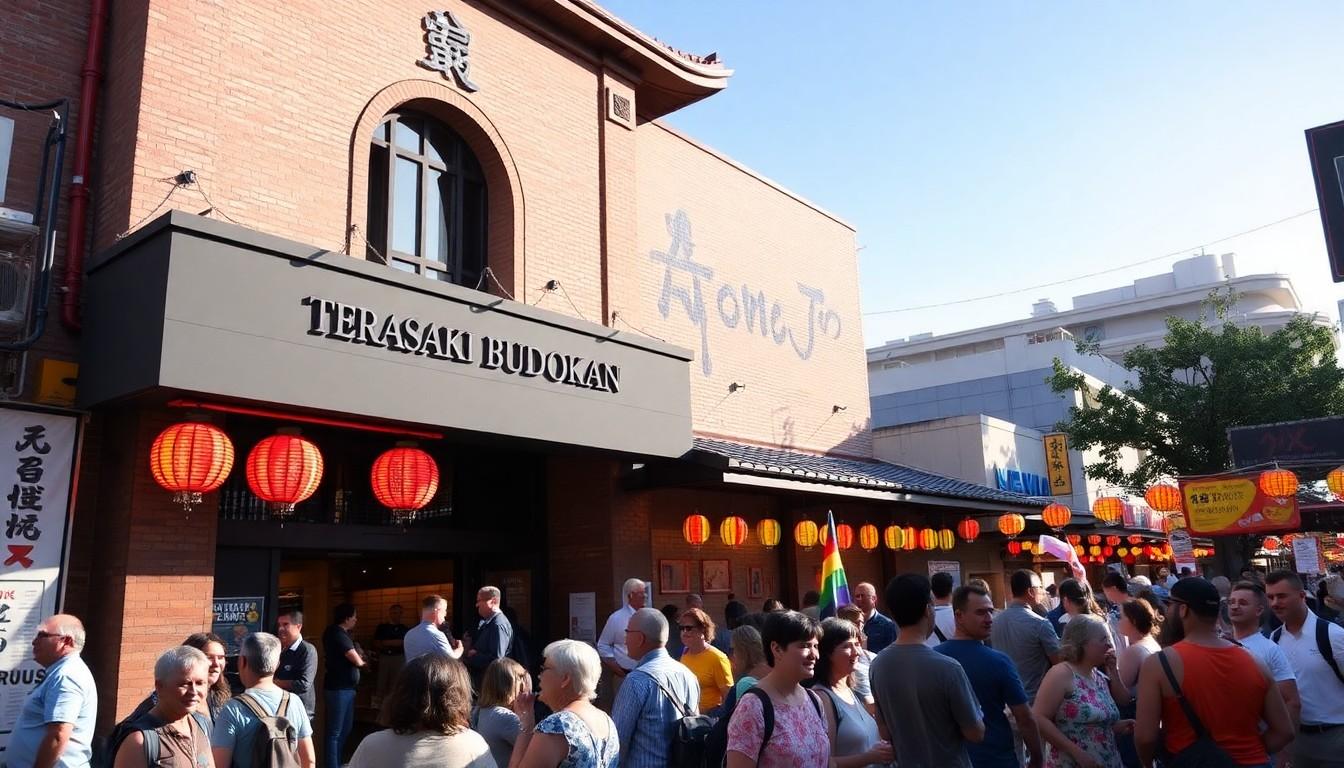
Shoppers and neighbours are turning towards a warm, inclusive festival this September: Okaeri’s Queer Obon brings Nikkei LGBTQ+ people and allies together in Little Tokyo for dance, remembrance and food , a lively way to honour queer ancestors while celebrating belonging.
Essential Takeaways
- What it is: A community Obon festival curated by Okaeri that blends Bon Odori dancing with queer-led remembrance and joy.
- When and where: Sunday, Sept. 20, 4–9pm at Terasaki Budokan, 249 S. Los Angeles St., Little Tokyo.
- Atmosphere: Friendly, accessible and colourful , expect music, food, games, an Obon altar and a communal Bon Odori circle.
- Accessibility: Open to all LGBTQ+ communities and friends; ticketing is on a sliding scale to keep it welcoming.
- Honouring elders: The gathering will remember Okaeri’s late founder Marsha Aizumi and community members who’ve passed.
A festival that feels like home , and everyone’s invited
This isn’t the Obon your grandparents might remember, and that’s the point , the air will be warm with laughter, the music will be familiar and the crowd intentionally diverse. Okaeri, the community group behind the event, stages Queer Obon as a ritual of belonging where Nikkei LGBTQ+ people can both grieve and celebrate. The Obon altar provides a quiet, reflective counterpoint to the dancing, so you’ll move between memory and music all evening.
Backstory: Okaeri’s work stems from a desire to create culturally specific spaces for queer Nikkei people. The group’s website explains their ongoing community programmes and outreach, which this event continues in a festive format. If you’re coming for the first time, expect gentle guidance at the Bon Odori circle and a welcoming vibe from volunteers.
Why Terasaki Budokan matters for this gathering
Terasaki Budokan sits in the heart of Little Tokyo, a place with deep Japanese American roots. Holding Queer Obon there layers community memory on top of cultural geography. The building’s openness lends itself to both ceremony and socialising, so you can step into a ritual moment or drift towards food and games without missing a beat.
Practical tip: aim to arrive early for the altar viewing and to learn the dance steps. Bon Odori is communal, so standing in the circle is a simple way to connect.
Remembering Marsha Aizumi , grief and celebration together
The festival will honour Marsha Aizumi, the late founder of Okaeri, whose passing prompted widespread community reflection. Organisations and local cultural institutions noted her impact in bridging family support and advocacy for queer Nikkei people. Queer Obon will include moments of remembrance , it’s tender, but there’s also joy in shared memory.
If you want to pay respects, look for the memorial area and consider contributing to the sliding-scale ticket or a sponsorship package, which helps sustain events and programmes in Marsha’s legacy.
What to expect on the night , food, games, and dance
Expect a mix of the ritual and the playful: games for all ages, street-food style offerings, and a communal Bon Odori circle that’s open to newcomers. The dance itself is repetitive and friendly, so you don’t need to be a skilled dancer to enjoy it , the community will show you the steps.
Practical insight: wear comfortable shoes and bring a light jacket; evenings in the area can cool down. If you have mobility needs, contact the organisers in advance via Okaeri’s website to check accessibility arrangements.
Tickets, sponsorship, and how to join in
Tickets are sold on a sliding scale, making the event financially accessible while also offering ways to give extra support. There are sponsorship packages available if organisations want a larger role. Visit the event page to book ahead , community festivals like this can fill quickly, especially with the special memorial elements this year.
Outlook: this event is part celebration, part cultural preservation, and part community care. It’s the sort of gathering that quietly reshapes how public ritual looks and who gets to take part.
It's a small change that can make every dance and remembrance feel more inclusive.
Source Reference Map
Story idea inspired by: [1]
Sources by paragraph: