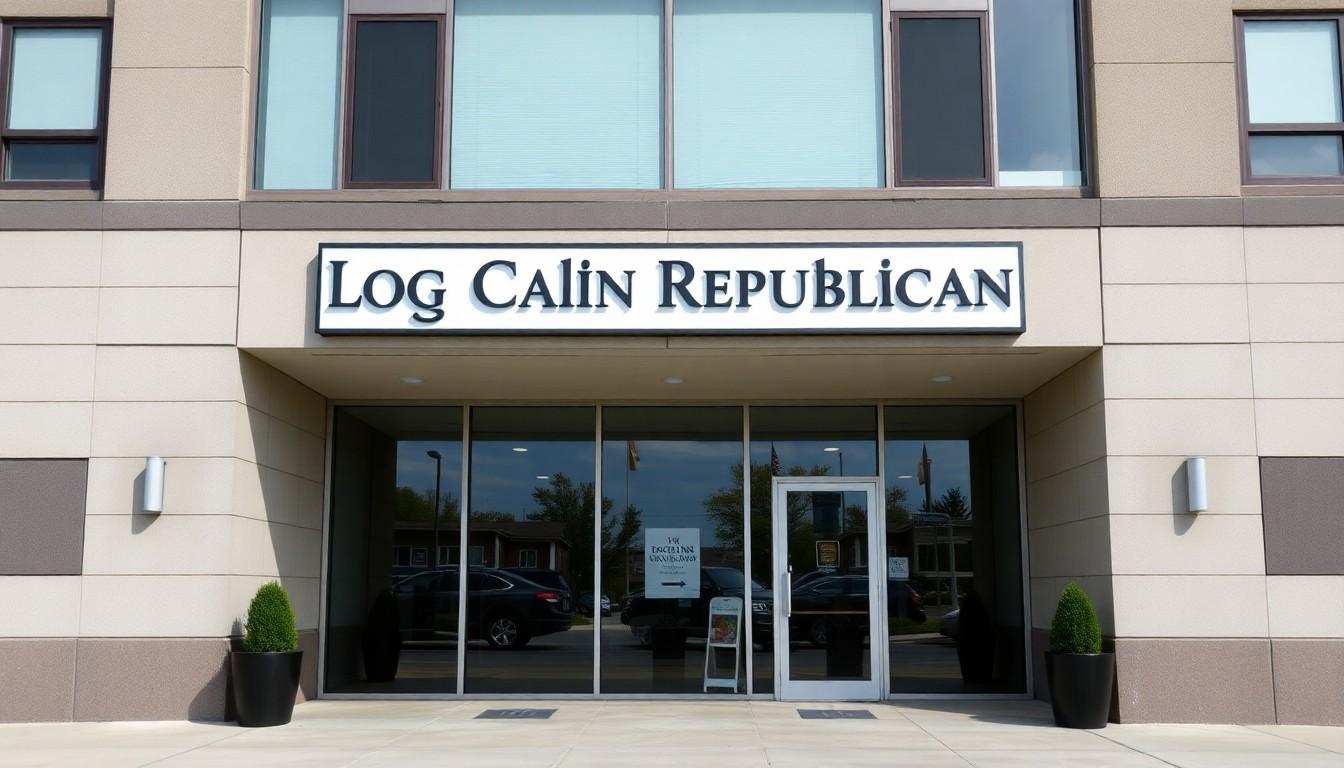
Shoppers of political labels are watching a terse move from inside the GOP: Log Cabin Republicans have announced they will no longer advocate for transgender rights, rebranding as an “LGB advocacy organisation.” The change matters because it reshapes the small but noisy bridge between conservative politics and queer advocacy at a fraught moment for both parties.
Essential takeaways
- What changed: Log Cabin Republicans said it will stop advocating for transgender issues and present itself as an LGB-focused group, not LGBT.
- Leadership line: President Ross Hemminger framed the shift as a return to the organisation’s roots and a recommitment to conservative principles.
- Policy focus: The group will emphasise sexual-orientation concerns such as marriage and adoption, rather than gender-identity matters.
- Political impact: The decision draws fresh lines inside the GOP over social policy and how the party defines conservatism today.
- Public reaction: Responses range from praise among some conservative outlets to criticism from LGBTQ+ publications and advocates.
What exactly did the Log Cabin Republicans announce?
The announcement was short and unmistakable: leadership said transgender advocacy will no longer be part of the group’s remit, and the organisation will instead identify as promoting LGB causes. The change was presented as a deliberate return to an original mission and conservative principles, a repositioning meant to appeal to the party’s base while keeping a place for gay and lesbian Republicans within the fold.
Coverage varies. Some outlets framed it as a sober retreat from a hot cultural front, while LGBTQ+ publications called it a break with decades of broader community advocacy. Either way, the move is a clear signal that the group’s leadership sees transgender policy as a wedge issue rather than a party-building stance.
Why this matters to the Republican Party
This is not merely branding. Within the GOP there’s an ongoing debate about which cultural fights to pick and what counts as “conservative” in 2026. By narrowing its focus, Log Cabin is attempting to square support for same-sex orientation with conservative values as they see them, while distancing itself from gender-identity debates that many Republican voters find toxic or confusing.
Political commentators note the timing: the Republican coalition is managing internal tensions , fiscal and defence stances have long united it, but social policy can splinter voters. The group’s recalibration is an attempt to remain relevant in Republican circles without carrying the full baggage of the broader LGBT agenda.
How advocates and commentators reacted
Reactions split predictably. Conservative outlets and some local GOP figures welcomed the move as pragmatic and principled, pointing to a need for clear priorities. LGBTQ+ newsrooms and advocacy groups characterised the change as abandonment of a vulnerable part of the community; they argue that leaving transgender people out widens divisions and leaves policy questions about healthcare, education, and legal recognition unaddressed.
For party activists, this is both a symbolic and practical moment. Some see it as reducing friction with mainstream GOP voters; others warn it signals exclusion and could alienate younger or more socially liberal Republican-leaning voters.
Practical implications for policy and activists
If an inside-the-party group narrows its focus, that usually means it will lobby selectively , pushing for marriage-related or adoption policies but not for protections around gender recognition, medical care, or school policies. For activists and donors, that changes where they invest energy and money.
If you care about inclusion, the practical takeaway is to look at where organisations spend their advocacy resources. If you want targeted outcomes , say, marriage-equality defence or adoption reform , this regrouping could create clearer allies. If you care about a full slate of trans protections, you’ll now need to support other groups that explicitly work on gender-identity issues.
What this suggests about the future of queer conservatism
This split highlights a broader reality: coalitions evolve, and the lines between identity politics and ideological commitment can be hard to reconcile. Log Cabin’s move illustrates that some within conservative circles prefer a narrower, assimilationist approach focused on certain civil rights while rejecting other kinds of social change.
In practice, that may make the group more palatable to some Republican leaders while further polarising the debate with LGBTQ+ organisations that treat transgender rights as inseparable from other community concerns. Watch whether other conservative-leaning queer groups follow suit, or whether this shift prompts counter-mobilisation inside the party.
It's a small change that will have outsized symbolic consequences for how queer Americans fit into Republican politics.
Source Reference Map
Story idea inspired by: [1]
Sources by paragraph: