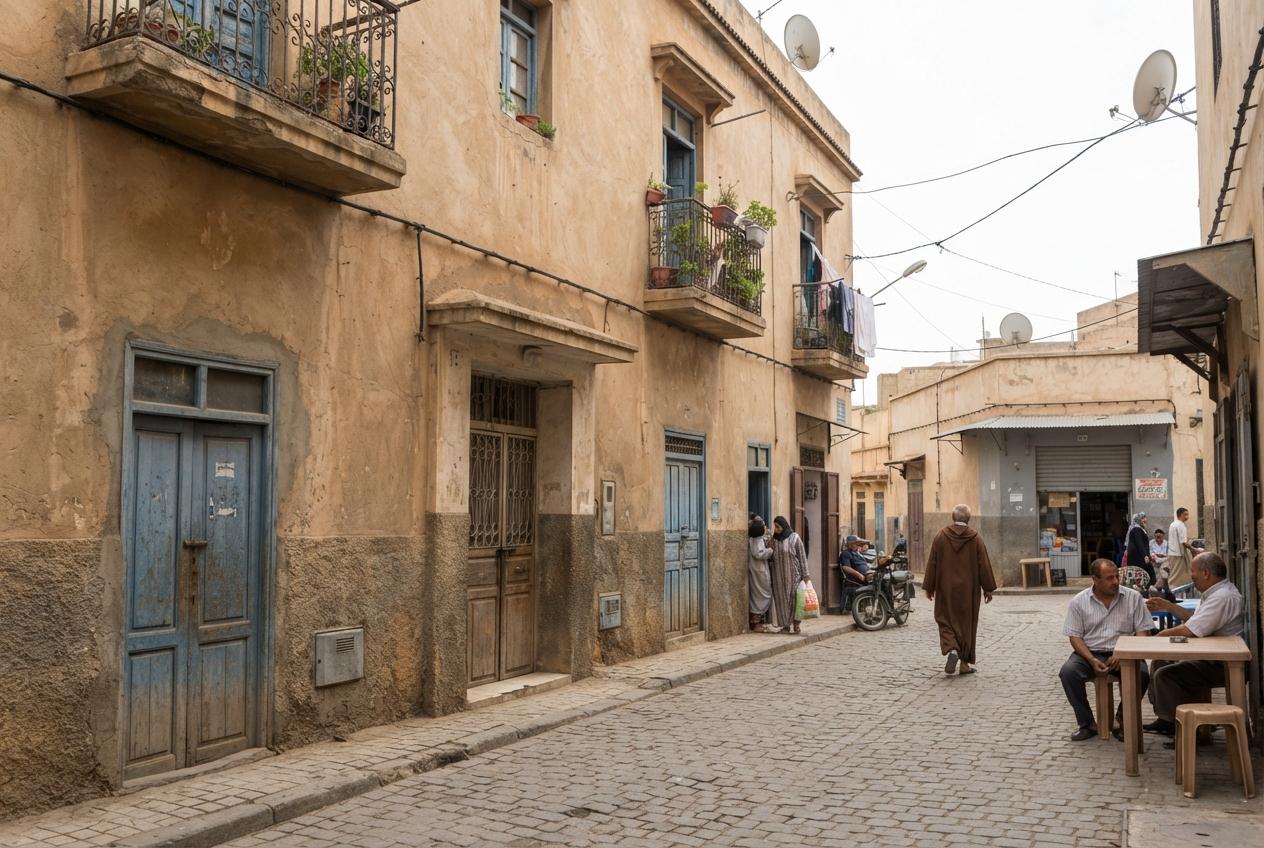
Shoppers of facts and rights watchers have been tracking a sharp, unsettling story out of Fès: a collective home for LGBTQ+ people was raided on 19 August and around ten residents were arrested. Activists say this is part of wider, systemic targeting and the case has reignited debates about safety, shelter and justice in Morocco.
Essential Takeaways
- Who was affected: Around ten people linked to the LGBTQ+ community, including transgender persons and reportedly minors, were detained after a police operation in the Lirak neighbourhood of Fès.
- Where it happened: The arrests took place at a rented apartment described by advocates as a collective refuge and by police as the scene of public order concerns.
- How it's framed: Activists call the raid part of broader violence and discrimination, outing, expulsions, employment barriers, against LGBTQ+ people in Morocco.
- Public reaction: Social media mobilised quickly under hashtags such as #FreeKolchi and #StopHomo/Transphobia, prompting solidarity and legal support efforts.
- Practical note: Those following the story should expect competing accounts, security-focused police statements and human-rights-driven activist reports, and verify details before sharing.
What exactly happened in Lirak, Fès? A concise scene-setter
The strongest, clearest fact is that a police operation led to multiple arrests in a rented flat on the night of 19 August, and that the people taken into custody included members of the LGBTQ+ community. The apartment had been used as a shared home for several months, and neighbours and police accounts point to prior altercations. According to local outlets, the authorities described the action as a response to public indecency and drug-use allegations, while supporters called it a targeted raid on a vulnerable group.
Context matters here. Reports from Moroccan media and activist statements show two narratives crossing: law-enforcement language about maintaining order, and rights groups describing a pattern of systemic hostility. If you’re trying to follow the facts, expect updates and differing details as investigations and legal processes continue.
Why activists say this is part of a wider pattern
People supporting the detained group quickly framed the arrests as far from isolated. They point to longstanding issues in Morocco, forced outing, housing expulsions, workplace discrimination and difficulty accessing justice, that leave LGBTQ+ people exposed. Solidarity posts and press releases have emphasised that arrests like these are not just criminal matters but social and human-rights concerns.
This story is resonating because it taps into those wider grievances. For readers trying to make sense of it, look beyond the instant headlines: check for follow-up reporting on charges, court appearances and any statements from human-rights organisations. That will show whether this episode is an anomaly or part of a persistent trend.
How different outlets reported the raid , police lines vs activist testimony
Local news outlets relayed police statements that framed the operation as a response to alleged public-decency or drug-related conduct, and some reports mentioned minors among those involved. Meanwhile, human-rights groups used social media to amplify the detainees’ stories, underline the role of trans people in the group, and demand accountability.
This divergence is important for anyone retweeting or reposting: law-enforcement sources will focus on alleged offences; activists will highlight context, vulnerability and potential rights violations. A practical tip: when you see a terse police statement, look for follow-up reporting that includes interviews, legal documents or independent observer accounts to get a fuller picture.
What this means for shelter and safety strategies
One concrete takeaway from the episode is how crucial safe, discreet housing is for marginalised groups. The apartment described as a "refuge" in activist posts had served as more than a place to sleep; it was a temporary community and safety net. When that space is compromised, whether through policing or social pressure, residents can lose not only shelter but support networks.
If you’re involved in community support, consider low-profile safety planning: legal aid contacts, rapid-response networks, and secure communication channels. For readers offering support from abroad, verified charities and legal funds are safer vehicles than unvetted social campaigns.
Where things might go next and why to watch the legal follow-up
The immediate arc to watch is legal: charges, access to counsel, any public prosecutor statements and whether cases go to trial. Beyond that, look for policy discussion or civil-society responses that could push for clearer protections or judicial scrutiny. The story may also prompt debates within Moroccan society about privacy, policing and minority rights.
It’s normal to feel unsettled reading accounts like this. But practical vigilance helps: follow reputable outlets, support verified advocacy groups if you want to help, and avoid amplifying unconfirmed allegations about individuals involved.
It's a small change in public attention that can make every shelter and legal avenue safer.
Source Reference Map
Story idea inspired by: [1]
Sources by paragraph: