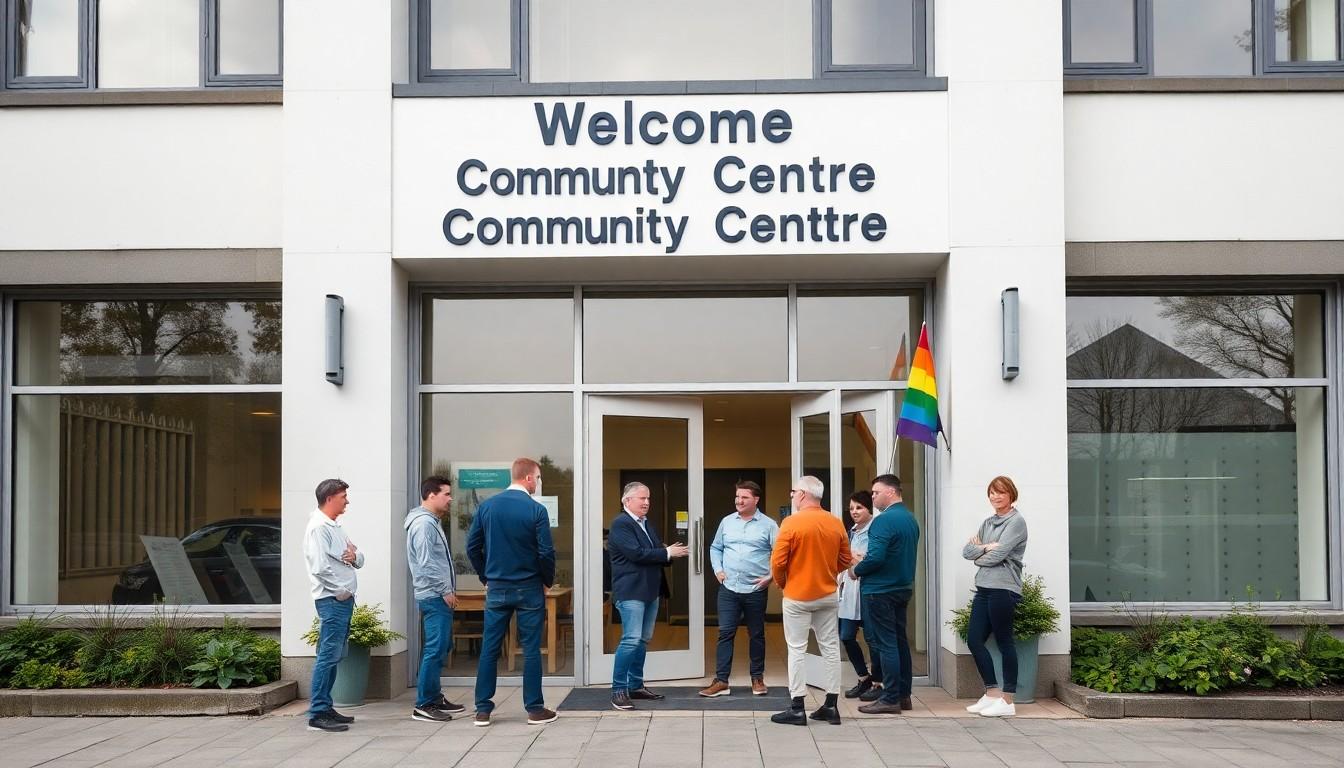
Spot the pressure: readers are noticing that coming out sometimes comes with a neat set of terms and conditions, be visibly gay, but only the comfortable, neighbourhood-approved kind. This piece explains homonormativity, who it affects, why it matters, and how to choose a life that’s yours rather than a performance.
Essential Takeaways
- Definition: Homonormativity describes pressure on queer people to adopt heteronormative lifestyles, marriage, monogamy, kids, tidy careers, to be seen as respectable.
- Not anti-conventional: Wanting marriage, family or a polished look isn’t the problem; the problem is when those things become proof of worth.
- Mental-health links: Pressure to conform can contribute to anxiety, depression, body image issues and shame, though it’s one of many factors.
- Choice vs compliance: The key question is whether life choices are freely made or performed to fit an expected script.
- Community matter: Building a “family of choice” helps people escape constant editing and live authentically.
What homonormativity actually means , and why it feels like a rulebook
Homonormativity is the idea that queer people should mirror straight ones in lifestyle and manners in order to be accepted; imagine a gayness that fits a suburban brochure. According to academic summaries and cultural commentary, it’s less about forbidding certain lives and more about elevating one “acceptable” version of gay life above others. That neat, polished image smells like success and security, but it can feel stifling when it becomes a test rather than a preference. If you’ve ever hesitated before wearing nail polish or wondered whether being single marks you as a failure, you’ve bumped up against it.
How family, friends and even allies help write the fine print
Comings-out are messy and tender, and sometimes well-meaning relatives slip in conditional acceptance: “We love you, but please don’t be flamboyant,” for instance. Psychology Today and cultural commentators note these remarks aren’t always hostile, but they nudge people to edit themselves for comfort. That slow editing adds up, small compromises become rules about how to date, how to look, who to love. The result is a quiet policing that’s emotionally taxing and often unspoken.
The mental-health angle , pressure that shows up as anxiety and shame
Research collected in public-health reviews suggests that social pressures, including expectations about appearance, relationships and success, can contribute to poorer mental-health outcomes among queer people. Depression, anxiety, compulsive behaviours and body-image problems have complex causes, but being forced to perform a single version of worth doesn’t help. The practical takeaway? If you’re feeling exhausted by the performance, a therapist or peer support that understands queer-specific pressures can help you untangle genuine wants from borrowed shoulds.
Why rejecting homonormativity isn’t an attack on marriage or stability
There’s an important distinction to make: critics of homonormativity aren’t attacking marriage, kids or careers. People who want those things are free to have them. The critique targets the expectation that those choices are badges of respectability. So if you adore monogamy and a mortgage, brilliant, own it. But check whether that desire started from your heart or from a fear of not being acceptable. That tiny question, choice versus compliance, changes how liberating the choice feels.
How queer communities can set their own standards , and why that matters
Queer cultures produce their own norms and aesthetics, which can be nourishing when they’re chosen and created by queer people themselves. The goal is not chaos but autonomy: standards that reflect lived experience, not a mimicry of straight respectability. Building chosen families, friends who let you be unedited, offers a practical remedy. Choose spaces where you can try on identities without recrimination, and remember community standards should expand, not narrow, what it means to be queer.
What straight people can steal from this conversation
It’s slightly inconvenient and very useful to note that the problem isn’t uniquely queer. Straight men and women also face scripts, provider, stoic, never vulnerable, that can feel like a cage. The larger fight is against a single, enforced blueprint for adulthood. If you value monogamy or a tidy life, great. If you want something else, that should be fine too. The liberating idea here is universal: aim for choices born of desire, not duty.
It's a small but powerful shift: swap performance for preference, and let the people around you love the real you.
Source Reference Map
Story idea inspired by: [1]
Sources by paragraph: