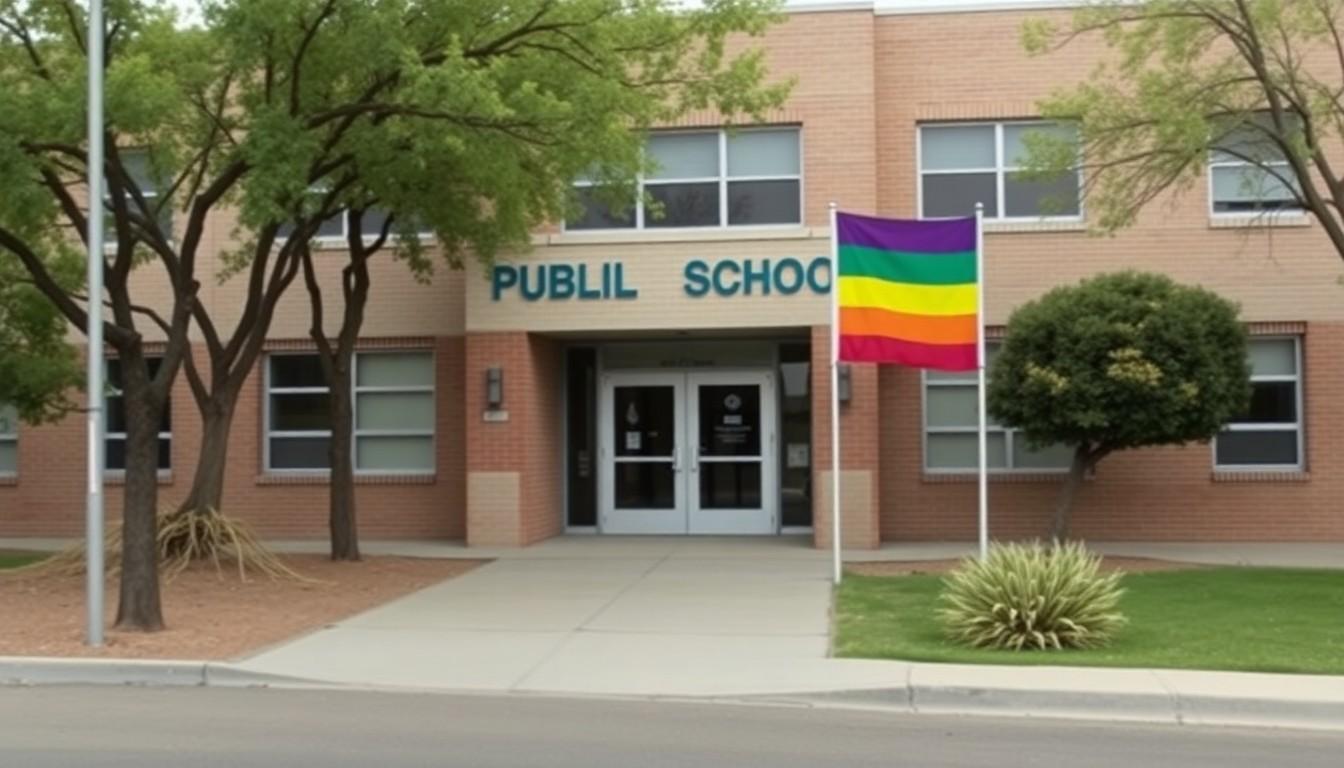
Shocking reports show LGBTQ+ students in Arizona face harassment, threats and a school climate that often fails to protect them; parents, advocates and researchers warn this matters because it shapes young people’s mental health, school attendance and safety.
Essential Takeaways
- Widespread harassment: Studies and reporting indicate many LGBTQ+ students in Arizona experience physical assault, sexual harassment or repeated bullying, leaving lasting emotional scars.
- Spotty school response: Social worker logs and district records suggest many incidents get minimal documented follow-up, often just an hour or less of response time.
- Policy climate matters: State-level debates and proposed measures about bathrooms, curriculum and LGBTQ+ topics appear to increase stigma and can heighten risks for gender‑nonconforming youth.
- Support reduces harm: Research links explicit anti‑bullying protections, staff training, LGBTQ+ student groups and comprehensive sex education with better outcomes for queer young people.
- Real human cost: Victims report school avoidance, mental‑health crises and, in some cases, leaving schools or the state to find safer environments.
Harrowing threats and why they’re not isolated incidents
Anna Kilbride’s story is the kind of gutting detail that makes you sit up , threatened with “corrective” rape after saying she’s a lesbian, then pushed out of school and into psychiatric care. That single case helps us see the emotional texture of a wider problem; the material here is raw and often traumatic, and it’s a reminder that policy debates have human consequences. Reporting from LOOKOUT and peer research finds similar accounts across Arizona, showing that insults, groping and threats can push young people out of classrooms and into crisis. If you’re a parent or teacher, the sensory image that sticks is not statistics but the exhausted, fearful child refusing to board a school bus.
What the numbers show , assaults, harassment and limited follow‑up
Records obtained from one large district show nearly 400 incidents labelled as bullying, harassment or violence over two school years, with more than 150 assaults and close to 70 incidents involving sexual conduct or harassment. Disturbingly, social worker logs show minimal documented response time for almost all these cases. That gap between incident and intervention matters because timeliness and sustained support shape recovery and safety, and it’s a sign schools may be overstretched or reluctant to fully engage when incidents involve LGBTQ+ students.
Policy and rhetoric create a backdrop for student behaviour
Researchers say you can’t separate what happens on the playground from what’s being debated in statehouses and school board meetings. Organisations that track LGBTQ+ rights describe Arizona as having a hostile policy environment, and studies show that when schools restrict transgender students’ access to bathrooms or erase queer stories from curricula, harassment tends to rise. So this isn’t just about individual kids being mean; it’s about an atmosphere that permits or even encourages stigma. For practical action, communities should consider policies that explicitly include sexual orientation and gender identity in anti‑bullying rules and that shield students from coded or overt hostility.
Trans students face heightened risks , evidence and everyday examples
Transgender and nonbinary students report particularly high rates of sexual assault and harassment in schools, and research links restrictive bathroom or locker‑room rules with increased exposure to violence. Families in Arizona describe incidents where a trans child was slapped for using the boys’ restroom or where school staff minimised or dismissed abuse as “pranks.” Those anecdotes echo peer‑reviewed studies and surveys showing elevated assault rates for trans youth; the takeaway is clear , policies that single out trans kids for different treatment often make them less safe, not safer.
What helps: protections, education and supportive adults
A broad evidence base suggests a multi‑pronged approach reduces harm: enumerated anti‑bullying protections, cultural competency and trauma‑informed training for staff, active LGBTQ+ student groups and comprehensive sex education all correlate with lower rates of harassment and sexual violence. Advocates also emphasise the need for schools to track sexual orientation and gender identity in safety logs so patterns are visible and accountable action can follow. On the ground, parents and teachers can push for these changes, support student groups and ensure children know where to go when they’re hurt.
The human aftermath and why it matters long term
Beyond immediate injuries, queer students who face physical threats are more likely to experience mental‑health crises and suicidal behaviour; large surveys show higher suicide‑attempt rates among those who are victimised. Families told LOOKOUT they’ve had to leave the state for their children’s safety, and young people often report losing trust in teachers and adults. Policy fixes alone aren’t a cure , schools need compassionate, consistent responses and communities must decide if they’ll protect all students or tolerate harm.
It's a small change that can make every school safer: clear protections, swift responses and adults willing to listen.
Source Reference Map
Story idea inspired by: [1]
Sources by paragraph: