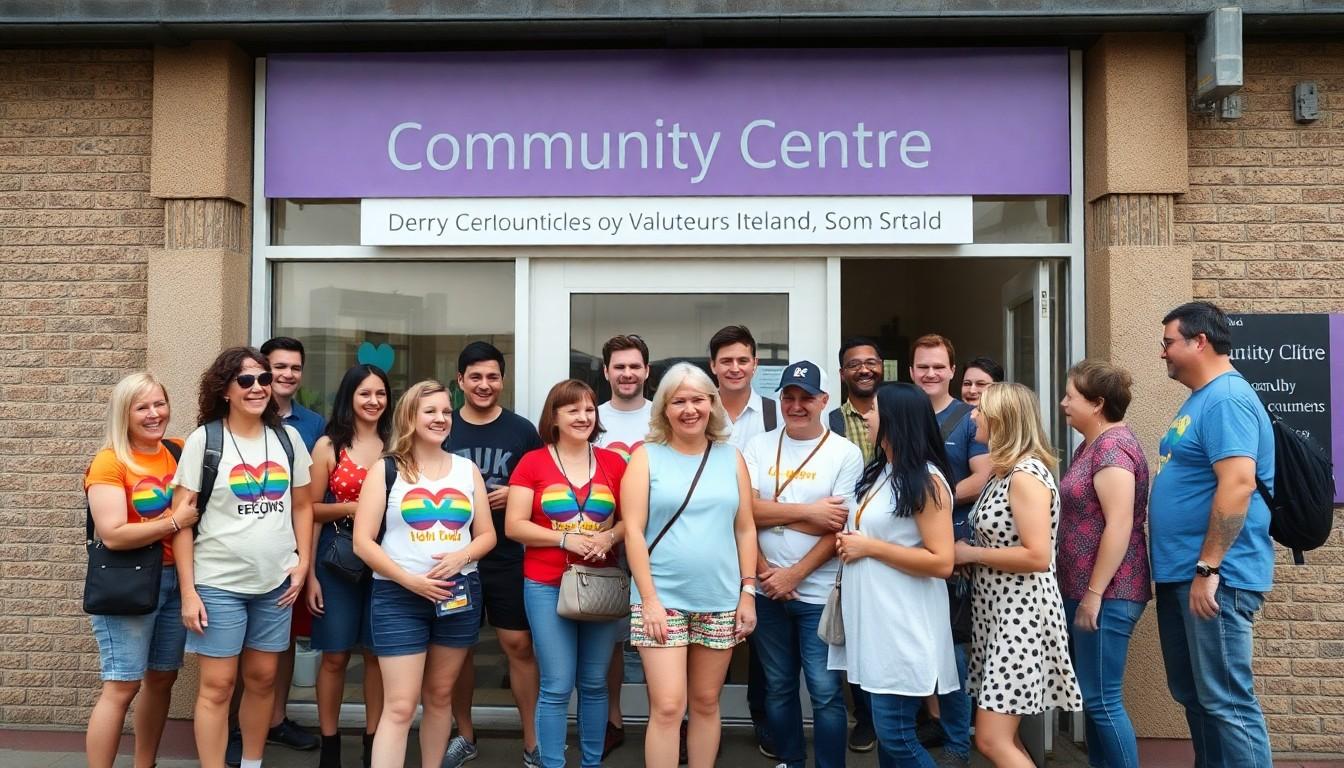
Shoppers, sightseers and locals flocked to Derry~Londonderry as Foyle Pride 2026 painted the city rainbow-bright; here's who turned up, what happened, and why the festival matters for tourism and community spirit across Northern Ireland.
Essential Takeaways
- Big turnout: Thousands attended the 11‑day Foyle Pride festival, culminating in a lively parade that drew domestic and international visitors.
- Historic route: The march retraced streets linked to civil rights history, finishing with a colourful finale at Guildhall Square.
- Arts and access: Eleven days of theatre, comedy, craft markets and workshops included British Sign Language support and accessible transport options.
- Economic boost: Local hospitality and retail saw high bookings and footfall, reinforcing the event’s value to the regional economy.
- Grassroots heart: Volunteers and community groups kept the festival non‑commercial and inclusive, marking 33 years since its founding.
A colourful return: crowds, flags and an upbeat city vibe
Derry~Londonderry felt alive under sunlit skies as rainbow flags fluttered above historic streets and Guildhall Square filled with laughter. Organisers reported a high turnout across the 11 days, and tourists were spotted swapping smiles with locals at pop‑up food stalls and craft markets. According to local listings, the event was programmed to welcome everyone, and that welcoming spirit was what many visitors said made the visit memorable.
The festival’s visual energy , people, colour, street music , isn’t just for show. It signals a city comfortable celebrating difference while inviting tourists to explore beyond the parade. If you’re planning to visit next year, aim for mid‑week events to avoid the busiest parade day and to soak up quieter arts sessions.
Marching through history: route that links past and present
This year’s parade started at the North West Transport Hub in the Waterside and crossed the Craigavon Bridge, winding down Carlisle Road, Ferryquay Street and Shipquay Street to Guildhall Square. The route was deliberately chosen to echo the 1968 civil rights march, folding modern equality activism into places with deep civic meaning.
That sense of continuity resonates with visitors keen on cultural context. Walk the streets slowly afterwards , the city walls and Museum of Free Derry nearby provide the historical backdrop that enriches the parade’s message. Tour guides and information points helped connect the dots for tourists unfamiliar with the local story.
Eleven days of culture: theatre, comedy and maker markets
Foyle Pride’s programme mixed live drama like community monologues with stand‑up comedy at the Guildhall and outdoor music sessions. Independent bookshops hosted poetry hours and open art markets put queer creators front and centre, offering a handy chance to buy something unique to remember the trip by.
Festival organisers also added practical touches: British Sign Language interpreters and electric transport along the route meant events were genuinely more accessible. For visitors, that accessibility made it easier to pick a tailor‑made itinerary , a morning museum stop, an afternoon workshop and an evening gig.
Volunteers, grassroots energy and why non‑commercial matters
Founded in 1993, Foyle Pride has grown while maintaining a volunteer‑driven, non‑commercial identity. Committee members emphasised that community involvement keeps the festival authentic and welcoming, rather than a purely commercial spectacle.
That grassroots approach matters to travellers seeking meaningful experiences. Meeting volunteers or local stallholders gives a different layer to the trip , you’re not just watching a parade, you’re joining a long‑running community project. If you want to support local causes, look out for donation stalls and small makers when you visit.
Tourism lift: hotels, eateries and the wider economic ripple
Local hotels, guesthouses and eateries reported strong bookings around parade dates, and footfall near Peace Bridge and Guildhall Square was busy throughout the weekend. Regional figures show that events in the north‑west can deliver sizeable boosts to the local economy, supporting small businesses and transport services.
For visitors, that bustle means you’ll find plenty of hospitality options but also that booking early pays off. Consider staying in a neighbourhood outside the immediate centre for better rates and a short scenic walk into the festival heart.
It's a small change that can make every visit feel more connected and memorable.
Source Reference Map
Story idea inspired by: [1]
Sources by paragraph: