Noticing attacks on rights and protections, advocates and families are organising solutions that matter. Across healthcare, workplaces and schools in the US, Black LGBTQ+ people face layered rollbacks , and practical fixes could restore safety, access and dignity where it’s needed most.
Essential Takeaways
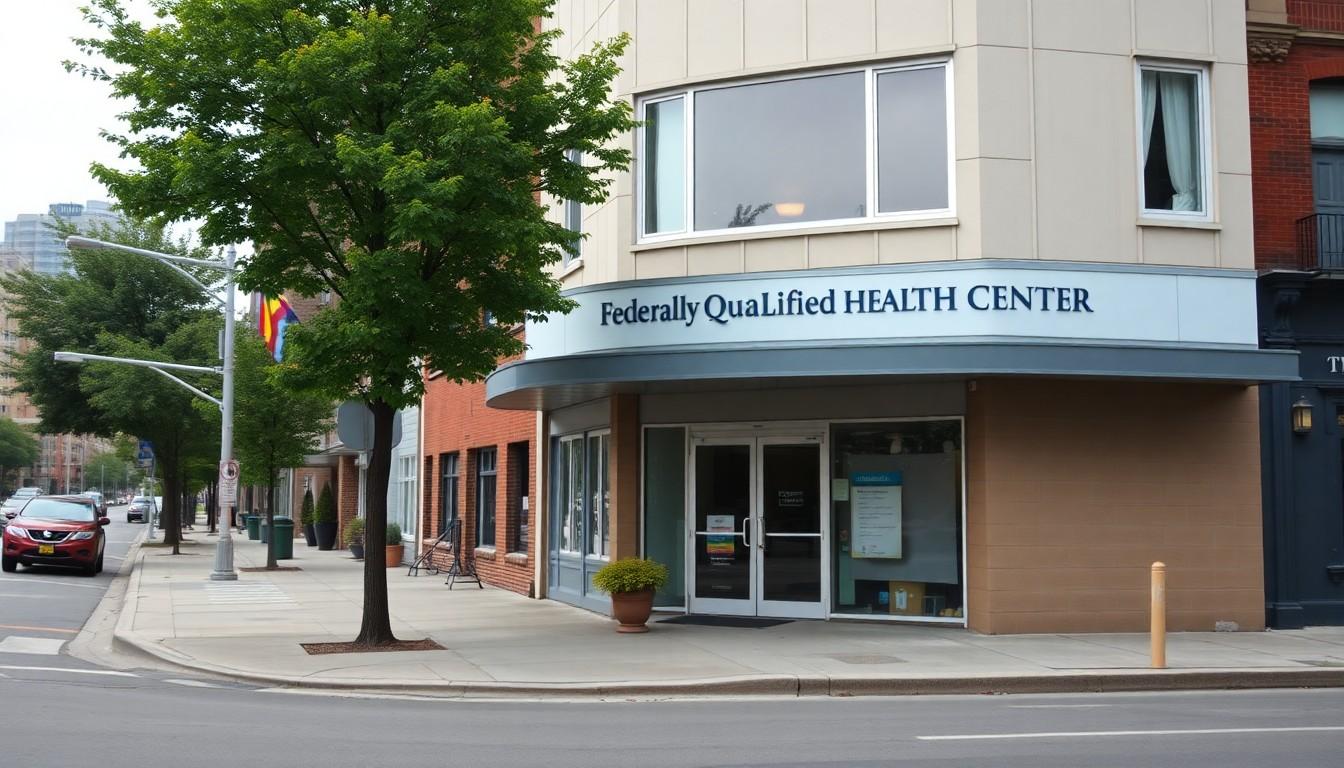
- Widen care access: Expanding LGBTQ+-competent services at Federally Qualified Health Centers makes gender-affirming care easier to reach in majority-Black neighbourhoods, with a familiar, community-tested feel.
- Treat denial as discrimination: Classifying refusal of gender-affirming treatment as medical discrimination would give patients legal recourse and increase provider accountability.
- Make intersectionality actionable: State civil rights laws that explicitly protect intersectional identities let Black LGBTQ+ workers pursue justice when bias targets the whole person, not just one attribute.
- Set a federal education floor: A federal student civil rights standard for inclusive curricula and policies would stop states from erasing both Black history and LGBTQ+ identity in schools.
- Practical wins matter: Community clinics, employer policies and clear legal language are fixes that can be implemented now, not distant ideals.
Why healthcare rollbacks hit Black trans people hardest
Black trans women already face higher rates of violence and denial of care, and removing gender-affirming services in state law compounds that harm in a way that feels both urgent and personal. According to civil-rights advocates, when clinics stop offering care or doctors refuse treatment, patients are pushed into unsafe alternatives or simply denied lifesaving support. That’s not abstract , it’s a practical emergency with a quiet, painful human texture.
One sensible route is to expand LGBTQ+-competent services at Federally Qualified Health Centers in majority-Black cities. These clinics already sit in neighbourhoods where people trust the staff and where transport and outreach can be scaled. Making gender-affirming care a standard part of what they offer reduces stigma, shortens travel times, and keeps care anchored in familiar community spaces.
At the same time, classifying denial of gender-affirming care as actionable medical discrimination would create legal teeth. It’d give patients a way to challenge refusals and would signal to providers that turning people away is not a benign policy choice but a civil-rights issue. Advocacy groups and legal clinics are already pushing in this direction because, as anyone who’s navigated the system knows, policies change access in immediate, measurable ways.
DEI rollbacks erased a crucial safety net for workers , what to do next
When workplace diversity programmes and federal guidance are pulled back, Black LGBTQ+ employees lose more than training slides; they lose accountability structures that used to catch overlapping harms. Historically, DEI efforts offered a space where racism and anti-LGBTQ+ bias could be considered together. Without that, someone experiencing both can fall through statutory cracks because most laws focus on one axis at a time.
A concrete fix is state-level civil rights legislation that explicitly names intersectional discrimination as unlawful. That means an employer couldn’t argue they only targeted someone for race or only for gender identity , the law would recognise the combined effect and make it actionable. For workplaces, that encourages better complaint processes, more thoughtful HR investigations and clearer policies that recognise the whole employee.
Meanwhile, employers who want to do right can adopt internal language that mirrors intersectional protections, fund targeted training, and work with community groups to rebuild trust. It’s not a one-off policy tweak; it’s a culture shift that starts with explicit protections and practical enforcement.
Schools are losing both Black and LGBTQ+ representation , a federal floor could help
Across several states, limits on classroom discussion of race have often come bundled with restrictions on LGBTQ+ topics, leaving Black LGBTQ+ students invisible in the curriculum and vulnerable in policy. That erasure matters: students learn better when they see themselves reflected, and bullying and exclusion increase when identities are erased from official school life.
A federal student civil rights standard that sets minimum requirements for inclusive curricula and anti-discrimination policies would create a legal floor for all schools that accept federal funding. In practice, this would require school districts to adopt curricula that include diverse histories and to put in writing, and enforce, protections for LGBTQ+ students. It won’t stop every bad actor, but it raises the baseline so that no state can legally strip away both racial and gender or sexual identity protections simultaneously.
Practically, districts could start by consulting local Black and LGBTQ+ organisations to co-design lesson plans and training. That’s the sort of small, immediate action that turns a legal floor into lived inclusion.
How communities and clinics can act now
There are doable, community-level responses that make a difference while laws catch up. Local health centres can train staff in gender-affirming care basics, secure funding for telehealth options, and run outreach campaigns in churches, barbershops and community centres where trust already exists. Those touchpoints help reduce the sharp edges of policy rollbacks.
Likewise, local employers and school boards can adopt model policies that explicitly name intersectional protections, even absent state laws. Partnering with legal aid organisations creates pathways for real complaints to be heard and resolved. Small steps like this build a track record of change that can support broader legislative efforts later.
Looking ahead: policy, pressure and everyday solidarity
Policy fixes , from clear medical-discrimination classifications to intersectional civil-rights statutes and federal education standards , are essential, but they need public pressure and community muscle to stick. Advocacy groups, legal clinics and local leaders are already mobilising, and donors and allies can amplify those efforts with funding and attention.
And remember, everyday solidarity counts: calling your school board, supporting local clinics, and backing organisations that serve Black LGBTQ+ people are practical moves that change the material reality of these rollbacks. It’s not just about grand laws; it’s about the small, steady work that keeps people safe in the meantime.
It's a small change that can make every right and every life a little more secure.
Source Reference Map
Story idea inspired by: [1]
Sources by paragraph: