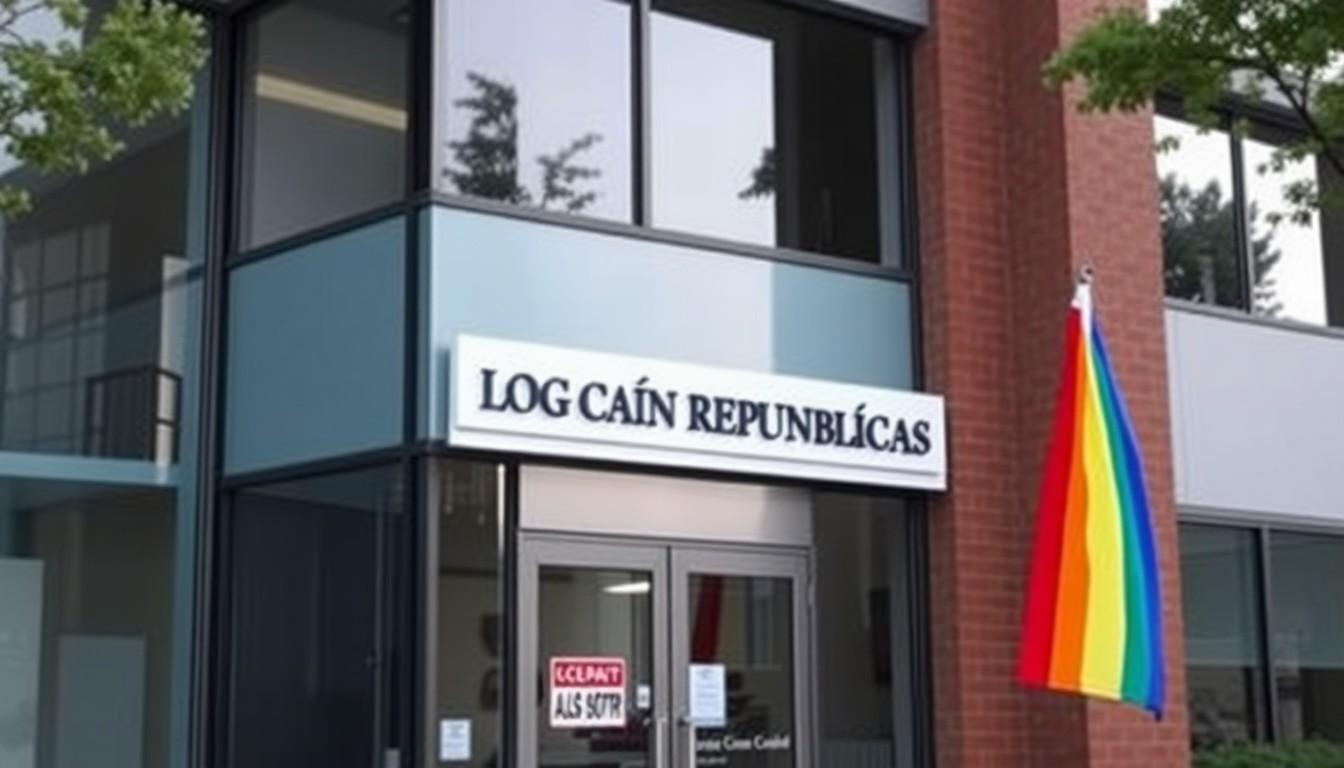
Watch closely: the Log Cabin Republicans’ recent decision to remove transgender protections is sparking outrage and fresh debate about where conservative LGBT politics go from here , who they represent, why it matters, and how activists and voters are reacting across the US.
Essential Takeaways
- What changed: The Log Cabin Republicans removed explicit support for transgender people, signalling a shift away from prior inclusion.
- Public reaction: LGBT advocates and many former allies called the move a betrayal; conservative outlets praised it.
- Political context: This follows years of Republican attacks on trans rights, especially those affecting minors, and comes as broader debates over civil rights intensify.
- Practical impact: Trans people may lose an influential conservative-friendly voice in policy debates; legal and advocacy groups are mobilising.
- Tone and optics: The decision feels like an attempt to placate social conservatives, but it risks alienating younger and more progressive LGBT voters.
Opening the flap: what the change actually says
The headline from the Log Cabin Republicans has a crisp, cold clarity , language supporting transgender people has been removed. Reporters noticed the edit and LGBT groups reacted with immediate disbelief and anger. It reads like a public U‑turn, and that sharp, uneasy feeling you get when an ally rewrites its position matters because words in policy spaces carry real weight.
The reversal didn’t happen in a vacuum. According to coverage in major outlets, the move follows an internal reassessment framed around concerns about youth-focused activism and sports participation. But critics argue that framing lets anti‑trans campaigns by Republican lawmakers off the hook and hands them legitimacy. For many, this is less about nuance and more about who the organisation chooses to stand with now.
Why this feels like betrayal to many queer people
For years the Log Cabin Republicans touted victories like military service and marriage equality as proof that conservative LGBT politics had a place in the GOP. Now that ledger looks shaky. LGBT advocates say removing trans protections is a clear break with a modern understanding of equality and protection.
That matters emotionally. People who saw LCR as a bridge to conservative circles feel abandoned, especially trans people who face rising attacks in state legislatures and the courts. The reaction has been visceral: anger, calls for accountability, and renewed demands that mainstream conservative groups not be given cover when they vote for anti‑trans policies.
Political chess: what the move says about the GOP and its base
This isn’t simply an internal squabble over language; it’s a signal to conservative voters who prioritise cultural issues. Some commentators see the adjustment as LCR trying to stay relevant within a party that has doubled down on anti‑trans messaging. Others point out the obvious risk , alienating the younger, more socially liberal voters who might otherwise view conservative LGBT voices as credible.
Either way, the shift reinforces a larger pattern: civil rights progress is never final. Courts, electoral tides and party leadership can and do change the landscape. Observers note that this move could make it harder for any LGBT‑friendly conservative arguments to gain traction in internal GOP debates.
What activists, lawyers and donors are doing now
Within hours of the news, advocacy groups began recalibrating strategy , amplifying legal defences for trans rights, boosting support for local clinics and schools, and pushing donor networks to prioritise trans safety. Some donors and Republican officials who back LGBT inclusion are publicly distancing themselves from LCR’s change.
Practically, that means more grassroots organising, a focus on state‑level protections, and legal challenges where policy threatens access to care or participation in daily life. For those wondering how to help, supporting local trans organisations and voting in state races are concrete options that make a difference.
Looking ahead: will this stick , and why it matters to voters
The decision raises a question that’s becoming increasingly central: can an organisation claim to represent LGBT people while abandoning protections for a key part of that community? If LCR’s move stands, it may accelerate the fracturing of conservative LGBT politics, pushing some activists further from the GOP and making bipartisan coalition‑building harder.
Longer term, expect the usual civic churn , lawsuits, electoral fights, and public persuasion campaigns. For ordinary voters and activists, this is a reminder that rights need defending actively, not just celebrated when convenient.
It's a small change with outsized consequences; watch who speaks up next and where funding and votes flow.
Source Reference Map
Story idea inspired by: [1]
Sources by paragraph: