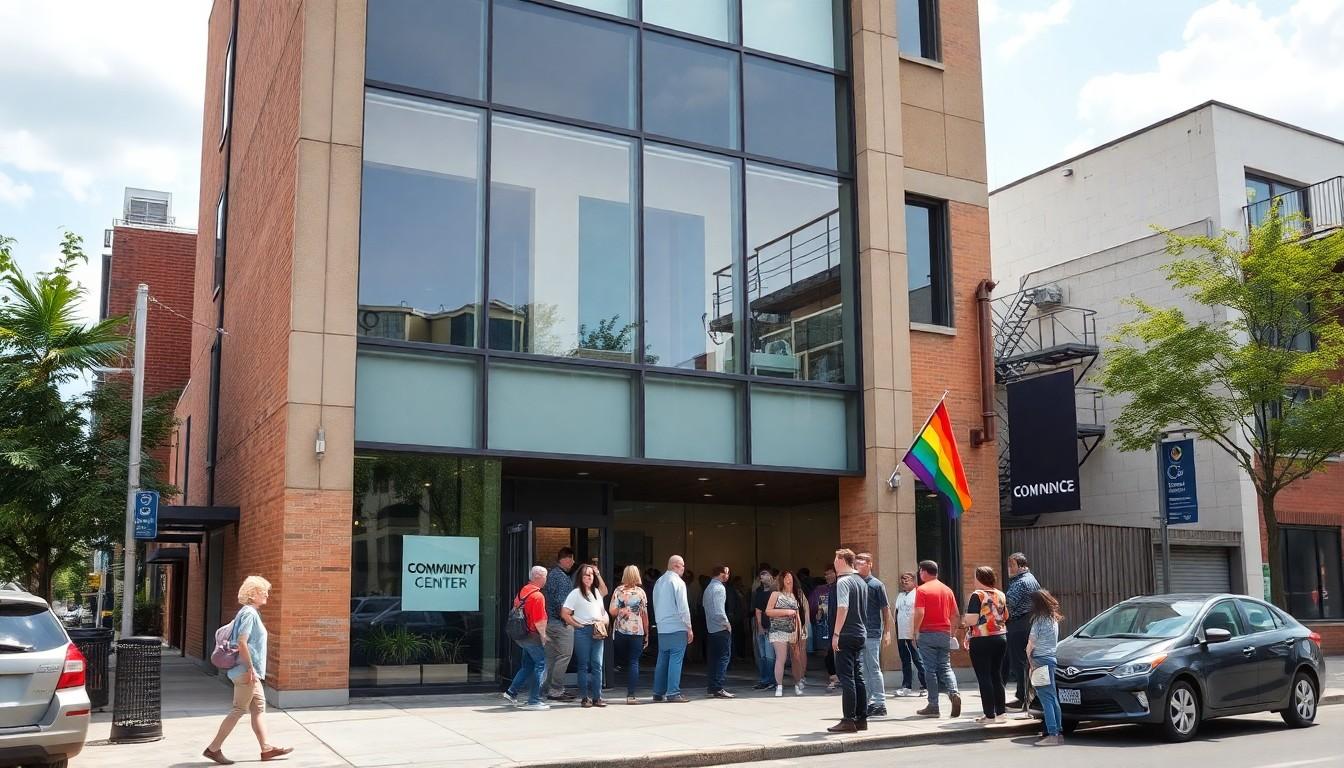
Shining a light on how stigma shapes bodies: researchers are linking social hostility, daily hormones, and community strength to explain why sexually and gender diverse (SGD) people face specific health risks , and how resilience, policies, and chosen family can blunt the worst effects.
Essential takeaways
- Stress shows up in the body: cortisol rhythms, heart rate and multi-system allostatic load (AL) can reflect chronic stigma and daily strain.
- Not all SGD groups are the same: gay men, bisexual people, transgender men and nonbinary people show different biological and behavioural profiles.
- Protective factors matter: disclosure, social support, legal affirmation and “chosen family” associate with healthier stress regulation.
- Policy and place change biology: living in states or regions with protective laws links to lower AL for some groups.
- Intersectionality is crucial: race, age, socioeconomic status and disability combine with sexual and gender identity to shape stress biology.
Why measuring cortisol and allostatic load matters now
Researchers are increasingly treating stress as something that can be objectively read in the body, not just described in words, and that feels urgent when laws and public attitudes shift quickly. Cortisol , the hormone that follows a morning peak then declines , plus a battery of immune, metabolic and cardiovascular markers make up allostatic load, a multi-system score of wear and tear. These biomarkers give public-health researchers a way to connect discrimination and policy to measurable health outcomes, and they help show who’s being harmed and how. For readers, this means a clearer path from social conditions to concrete health advice and policy action.
Surprising patterns: resilience and risk vary by subgroup
Early expectations , that sexual minorities uniformly show worse stress biomarkers , haven’t held up. Studies in Canada and the US found young gay men sometimes show lower AL than heterosexual men, while bisexual people often fare worse. Women’s patterns are mixed and may be shaped more by structural sexism than by sexual orientation alone. Those differences underline why lumping everyone together as “LGBTQ+” misses critical nuance. Practically, researchers and clinicians should look beyond single labels and ask about age, behaviour, support networks and local policies before drawing conclusions.
Gender diversity and transition: stress, affirmation and biology
Transgender and nonbinary people face distinct stressors, from restroom access and legal recognition to misgendering and violence. Research shows heightened diurnal cortisol and inflammatory signals tied to transition-related stress and enacted stigma. Conversely, legal gender affirmation (changing name or marker) and access to gender-affirming care link with improved mental and some physical outcomes. That suggests a clear, actionable message: removing barriers to legal and social affirmation is not only humane, it’s health-preserving.
Community strengths: chosen family, crisis competence and coping
Resilience isn’t just an individual trait , it’s a social product. Concepts like crisis competence and chosen family capture how SGD communities build practical skills, mutual support and shared resources that buffer stress. During the pandemic, perceived social support had a much stronger protective effect on mental health for SGD people than for cishet peers. For practical use, anyone supporting SGD friends or family should prioritise consistent social connection, visible allyship, and access to affirming services; these are measurable, modifiable protective factors.
Policy counts: place shapes physiology
Analyses using large national datasets show that living in states with more protections for sexual minorities is associated with lower AL in gay and bisexual men. That link between policy environment and bodily stress suggests governments can reduce population-level health inequities through clear legal protections and inclusive services. For advocates, it’s useful ammunition: protective laws do more than signal acceptance, they appear to change health markers.
Why intersectionality changes the story
Race, class, disability, immigration status and age reframe who is most vulnerable. For example, Black and Latina trans women living with HIV show distinct cardiovascular and stress profiles that interact with hormone therapies, age and socioeconomic factors. Intersectional measurement and community-engaged approaches are essential so that research avoids treating SGD people as a single, uniform group. Simple takeaway: support and interventions should be tailored, not one-size-fits-all.
What this means for everyday choices and services
- For clinicians: collect sexual orientation and gender identity (SOGI) data sensitively and routinely; consider multi-system biomarkers when assessing chronic stress.
- For policymakers: keep SOGI measures in national surveys and expand protections , they influence health, not just rights.
- For communities and families: social support, legal affirmation and accessible care are practical buffers against biological wear and tear.
- For researchers: move beyond binaries, use intersectional designs and co-produce studies with community partners to avoid blind spots.
It's a small change in data, policy and daily support that can make every life a little less stressful and a lot healthier.
Source Reference Map
Story idea inspired by: [1]
Sources by paragraph:
- Paragraph 1: ,
- Paragraph 2: ,
- Paragraph 3: ,
- Paragraph 4: ,
- Paragraph 5: ,
- Paragraph 6: ,
- Paragraph 7: ,
- Paragraph 8: ,
- Paragraph 9: ,