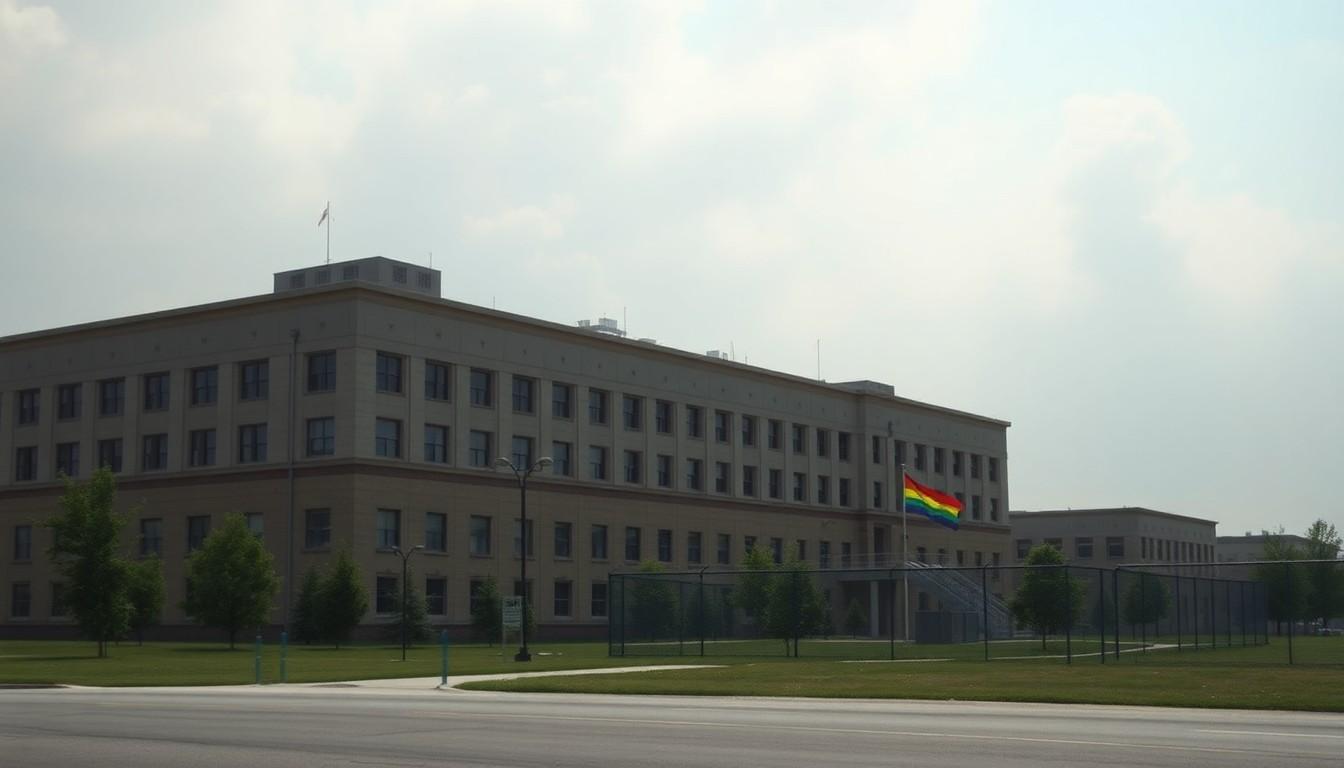
Call out problems, then act: Michigan families, advocates and neighbours are mobilising to demand air, water and heat relief for people inside prisons after recent heatwaves and Canadian wildfire smoke made conditions dangerous and sometimes deadly. Here’s what’s happened, what to watch for, and practical steps you can take now.
Essential Takeaways
- Extreme heat risk: Temperatures above 40°C during the July heatwave strained power grids and left many Michigan prisons without effective cooling, increasing heatstroke risk.
- Smoke hazard: Wildfire smoke carries fine particulates and toxic gases that can deeply penetrate lungs; those with asthma, heart disease or pregnancy are especially vulnerable.
- Access basics: Advocates say prisons often lack universal access to fans, air conditioning or ice and that water distribution can be intermittent.
- What helps now: Calling facilities, documenting conditions, demanding ice/water, and helping secure masks and legal support are immediate, practical actions.
- Policy change matters: Longer-term fixes include installing climate-resilient HVAC, independent inspections, and legislated transparency on deaths and health outbreaks.
Heatwaves in prisons are not the same as life outside , they feel worse and smell of fear
The recent late-July heatwave pushed daytime highs into triple digits across Michigan, and nights didn’t cool down much either, leaving people locked inside cells with no escape. Michigan Radio reported that some facilities lost power and relied on sporadic fans and ad hoc water provision, while environmental regulators and public health pages noted elevated heat and air-quality alerts. People behind bars can’t seek shade or move to a cooler room, so even a short power outage or a single failed HVAC system can feel catastrophic.
That lack of agency is central. Families and advocates say guards sometimes confiscated personal fans, and doors left open pulled smoke into buildings. If you have a loved one inside, a voicemail or recorded phone call describing those sensory details , the stifling heat, the acrid smoke smell , can be powerful evidence when you contact media, elected officials or oversight bodies.
Wildfire smoke adds a toxic layer , masks and water are simple, lifesaving measures
Smoke from Canadian wildfires can transform while it travels, forming formaldehyde and other gases and filling the air with fine particulate matter that reaches deep into lungs. State health guidance has repeatedly emphasised staying indoors, using N95 masks when outdoors, and avoiding exertion. For people in prisons, staying indoors isn’t protection if the building is breathing the same toxic air.
Practical tip: demand distribution of N95 masks, ensure access to bottled water and ice, and push for indoor air monitoring readings to be shared publicly. Advocates recommend documenting any refusals , the time, date, who you spoke with , and escalating to oversight bodies or the press if conditions aren’t remedied.
Phone campaigns and public pressure work , here’s how to organise a call-in
After the heatwave and smoke events, grassroots groups urged phone campaigns to jails and prisons asking about air conditioning and the provision of water. According to local reporting, these pressure tactics raise the political and reputational cost of inaction and sometimes open the door to immediate relief, like extra water deliveries or temporary cooling units.
How to run a call-in: prepare a short script (your name, your loved one’s facility, specific request for ice/water/N95s), coordinate a time window for calls, and share an easy escalation pathway to the press or elected representatives if responses are inadequate. Record responses for follow-up. If enough people call, facilities often respond quicker than they do to lone complaints.
Medical and legal context , who’s most at risk and what rights might apply
Heatstroke risk increases with age, heart or lung disease, and certain medications such as psychotropics and diuretics; similar vulnerability lists exist for smoke exposure. Michigan’s public health resources and coronavirus-era guidance both underline the need for special protections for people with chronic conditions. Meanwhile, legal advocates note that failing to provide basic life-sustaining necessities during emergencies can form the basis for civil complaints or litigation.
If someone inside is medically vulnerable, document prescriptions, conditions, and any denials of care. Contact public defenders, civil-rights groups, or legal aid , and ask whether emergency filings or habeas petitions might be appropriate in extreme cases.
Systems-level fixes: transparency, HVAC upgrades and release as a humane solution
Short-term relief matters, but the structural problems keep returning. Advocates point to understaffing, ageing infrastructure, and policies that leave prisons unprepared for climate-driven extremes. Michigan has seen bills and oversight debates around transparency for deaths, infectious outbreaks and prison conditions; adding climate-resilient HVAC and clear protocols for distributing water, ice and protective equipment would make a measurable difference.
There’s also a humane, immediate policy lever: reducing the prison population. Experts and local reporting argue that decarceration , releasing medically vulnerable people, using alternatives for low-risk cases, and improving parole processes , is the quickest way to reduce the scale of harm when heatwaves and smoke return.
What you can do this week , concrete, community-level moves
Call the facility and ask for specifics on cooling, ice, water and mask provision; if you get no clear answer, call again and record who you spoke to. Gather short witness statements from inside (voices and photos when possible) and share them with local reporters and oversight agencies. Organise a coordinated call-in or petition. Donate N95 masks and bottled water through groups that maintain legalised delivery channels, or support legal funds for prisoners who need emergency counsel. Finally, push your elected officials to demand transparent air-quality readings and emergency action plans from corrections facilities.
It’s a small, urgent set of actions, but when families, journalists and advocates act together, officials notice , and sometimes so does the law.
It's a small change that can make every heatwave and smoky day safer for people behind bars.
Source Reference Map
Story idea inspired by: [1]
Sources by paragraph: