Shoppers are turning to quieter expressions of belonging as debates over pride, patriotism and public signalling heat up; readers in the US and beyond are rethinking what it means to be "proud" of identity, country or achievement, and why a little humility can feel more honest.
Essential Takeaways
- Historic flashpoint: The 1968 Olympic Black Power salute remains a defining moment in how public displays of identity can eclipse achievement, and it still divides opinion.
- Pride as performance: Cultural shifts since the 1960s have normalised public pride, flags, months and marches, that some say trade depth for spectacle.
- A different word: Many prefer "grateful" or "humbled" to "proud" when speaking of nationhood; the nuance matters emotionally.
- Backlash and consequences: Businesses and individuals who mock or mimic pride movements can face intense legal, regulatory, and social pushback.
- Moral framing: Critics often cite thinkers like C.S. Lewis to argue pride is a root vice, while supporters see pride as reclamation and dignity.
Why one podium moment still tugs at the national conversation
The Black Power salute from the 1968 Mexico City Olympics is a small visual that keeps echoing loudly; you can practically feel the grainy medal-podium photo tug at modern debates. According to History and reporting in The Guardian, Tommie Smith and John Carlos raised gloved fists during the anthem to call attention to racial injustice, and that act shaped how people read public demonstrations thereafter. For some viewers the gesture overshadowed the athletes' sprinting feats; for others it was exactly the point. That tension, achievement versus message, helps explain why displays of identity provoke such strong feelings today.
Pride flags, months and parades: cultural normalisation or spectacle?
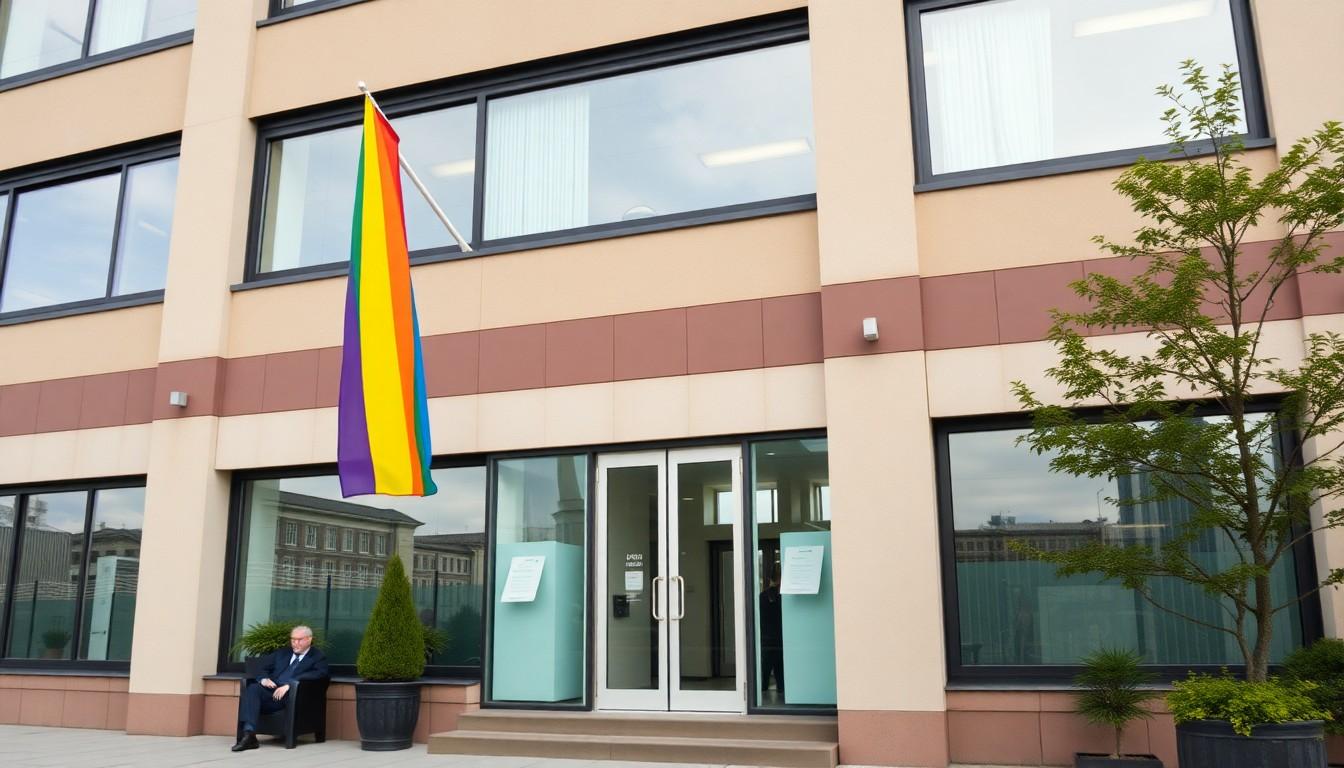
Since the 1960s, public expressions of group identity have multiplied: flags, months, themed nights at ballparks, even cable channels and libraries devoted to "pride." The shift reflects broader social movements and a desire for visibility, but it also invites critique that some gestures have become performative. Industry observers note teams and companies increasingly schedule pride events as part of branding; critics say ubiquity can dilute meaning and alienate those who prefer quieter solidarity. If you want to weigh in, look for actions that back up the banner, policies, donations, or sustained community support rather than one-off promotions.
When "proud" feels off: gratitude and humility as alternatives
Not everyone hears "pride" the same way. Some people, especially those reflecting on birthplace or inherited privilege, say "grateful" or "humbled" better captures their feeling about nationhood or good fortune. Writers and cultural commentators point out that pride implies ownership of something you didn't create; gratitude recognises benefit without claiming credit. Practically, swapping words can change tone: "humbled by our founders' work" invites reflection, whereas "proud of the country" can sound triumphalist. If you're communicating civic sentiment, try the softer language and see how your audience responds.
The cost of parody and pushback: small businesses learn the hard way
When locals lampoon pride with counter-events, there's often a predictable reaction. Reporting and local accounts show entrepreneurs who stage tongue-in-cheek responses may enjoy a brief surge in attention but then face regulatory scrutiny, legal challenges, or organised opposition. The practical lesson for business owners is to weigh whether provocation is worth the risk: legal fees, lost customers, and prolonged controversy can outweigh a few viral posts. If you want to make a point, consider low-risk alternatives like hosting a debate or donating proceeds to a neutral charity.
Moral roots and modern spin: pride as vice or reclamation?
Longstanding moral critiques, C.S. Lewis called pride the "essential vice", still influence how some people think about self-regard. For them, overt pride leads to other vices and signals a closed, self-congratulatory mindset. On the flip side, activists who champion pride view it as dignity reclaimed from shame, a corrective to centuries of marginalisation. Both frames matter: one warns about hubris, the other about invisibility. Readers can hold both truths by distinguishing collective celebration that pursues rights and safety from boastful displays that seek dominance.
It's a small change that can make every expression feel more considered.
Source Reference Map
Story idea inspired by: [1]
Sources by paragraph: