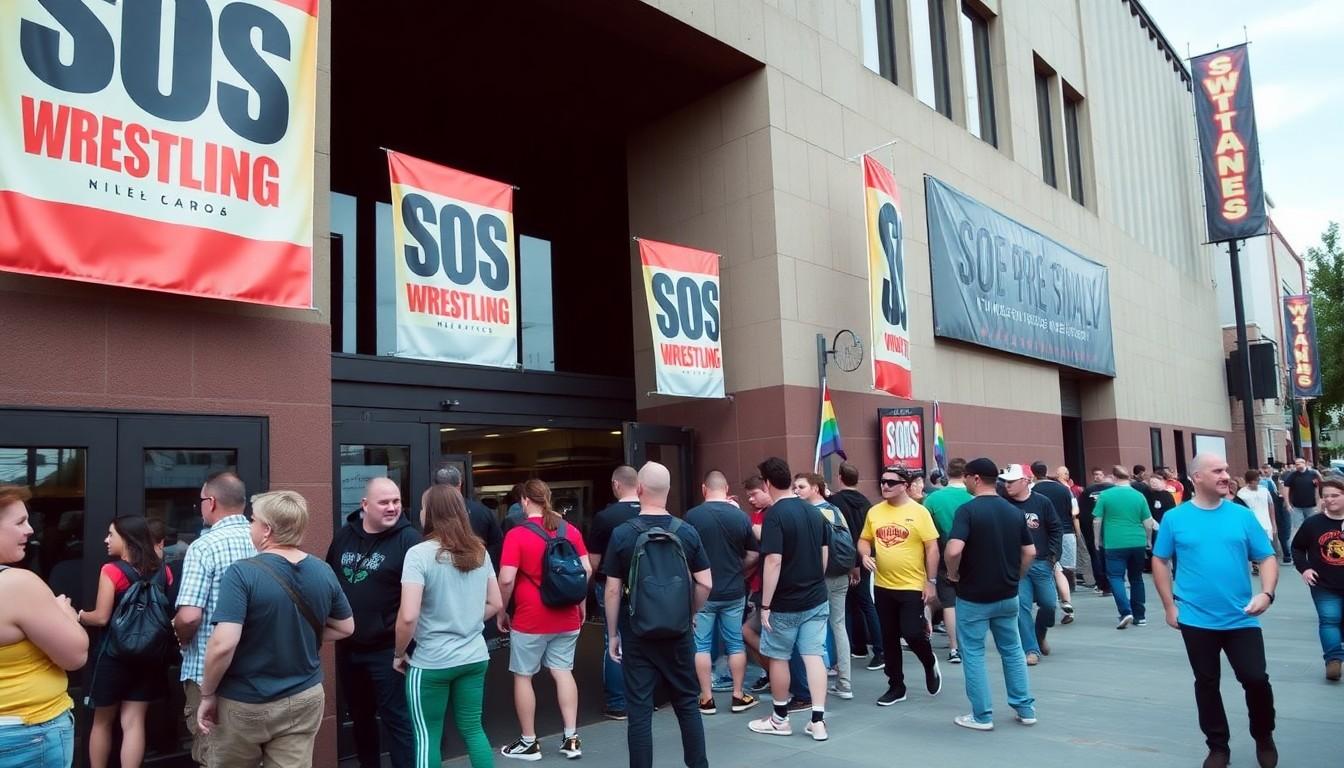
Shoppers and fans are rediscovering grassroots wrestling , but this time it’s queer-led, loud, and proudly inclusive; local promotions from Seattle to Los Angeles are turning bars and gyms into celebratory arenas where trans and queer performers headline, and fans find catharsis, camp and community.
- Community-powered: Local troupes give Queer and Trans wrestlers space to perform their full selves, not just supporting roles.
- Visceral, theatrical fun: Shows feel like a sweaty drag night crossed with a horror film , think blood, camp, and theatrical entrances.
- Accessible events: Many promotions run regular monthly shows and festival slots, with tickets affordable and venues intimate.
- Good for newcomers: If you’ve only seen TV wrestling, these indie shows are friendlier, cheekier and often interactive.
- Safety note: Matches are choreographed but physical; pick seats with a clear exit and follow staff guidance.
Why small-scale wrestling feels brand new again
There’s a particular electricity at local shows , the smell of gym mats, fluorescent lights, and an audience that actually cheers for queer performers. According to reporting in Seattle Gay News and other outlets, grassroots promotions are stepping into the gap left by mainstream wrestling’s macho past and offering a place where LGBTQIA+ talent can lead. It’s less polished than prime-time TV, but that’s the point: the stakes feel real and the emotional payoff is immediate. If you want to start, look for community-run nights and festival slots , you’ll find a friendlier crowd and smaller price tag.
How Queer and Trans promoters are reshaping the ring
Groups started by queer communities, like T Boy Wrestling and its successor T4T Wrestling, have organised shows that centre trans performers and fans, while other companies, such as SOS Professional Wrestling in Seattle, simply provide a welcoming stage. Coverage from the Los Angeles Times and Pride highlights how these promotions deliberately flip old wrestling tropes , queens and monsters, heroes and heels , into narratives that celebrate rather than exclude. The result is a blend of parody, performance art and real athleticism that makes each match feel like its own statement.
What a queer wrestling night actually looks and feels like
Expect theatrical entrances, campy costumes, and moments of crowd-driven chaos , call-and-response chants, playful humiliation spots, and even staged kisses on command. Photographers and crew breeze between the ringside chaos, and the production vibe is intimate rather than corporate. Many performers lean into drag and horror aesthetics, which makes shows as visually fun as they are physical. For first-timers, choosing a seat slightly back from the ring gives space if things get raucous, while still keeping you close to the action.
Picking the right show for you
Not all indie wrestling is the same. SOS Pro runs monthly shows and an annual festival slot at Bumbershoot, offering a mix of queer-friendly matches without being strictly LGBTQ-focused. T Boy and T4T events often foreground trans performers and themes. Look for venue notes on accessibility, age policy and safety protocols, and scan setlists or social pages to match your taste , whether you want horror-tinged spectacle, drag-infused humour, or athletic showcases. If you’re worried about rowdy crowds, opt for matinee or community-centred shows where families and allies mix.
How to get involved , watch, volunteer, or perform
If you like what you see, local promotions usually need volunteers for production, photography, and ticketing , a great way to meet performers and learn the backstage craft. Many wrestlers also run beginner clinics or open training sessions at local gyms, ideal if you’re curious about learning moves or performance work. Follow companies’ sites and social feeds for announcements and ticket drops; festivals are often the easiest way to catch multiple acts in one go.
It’s a small, scrappy scene, and that’s its strength , queer and trans wrestlers are turning rings into stages of their own making, with humour, horror and heart.
Explore a show near you and see how every bout is as much about community as it is about the finish.
Source Reference Map
Story idea inspired by: [1]
Sources by paragraph: