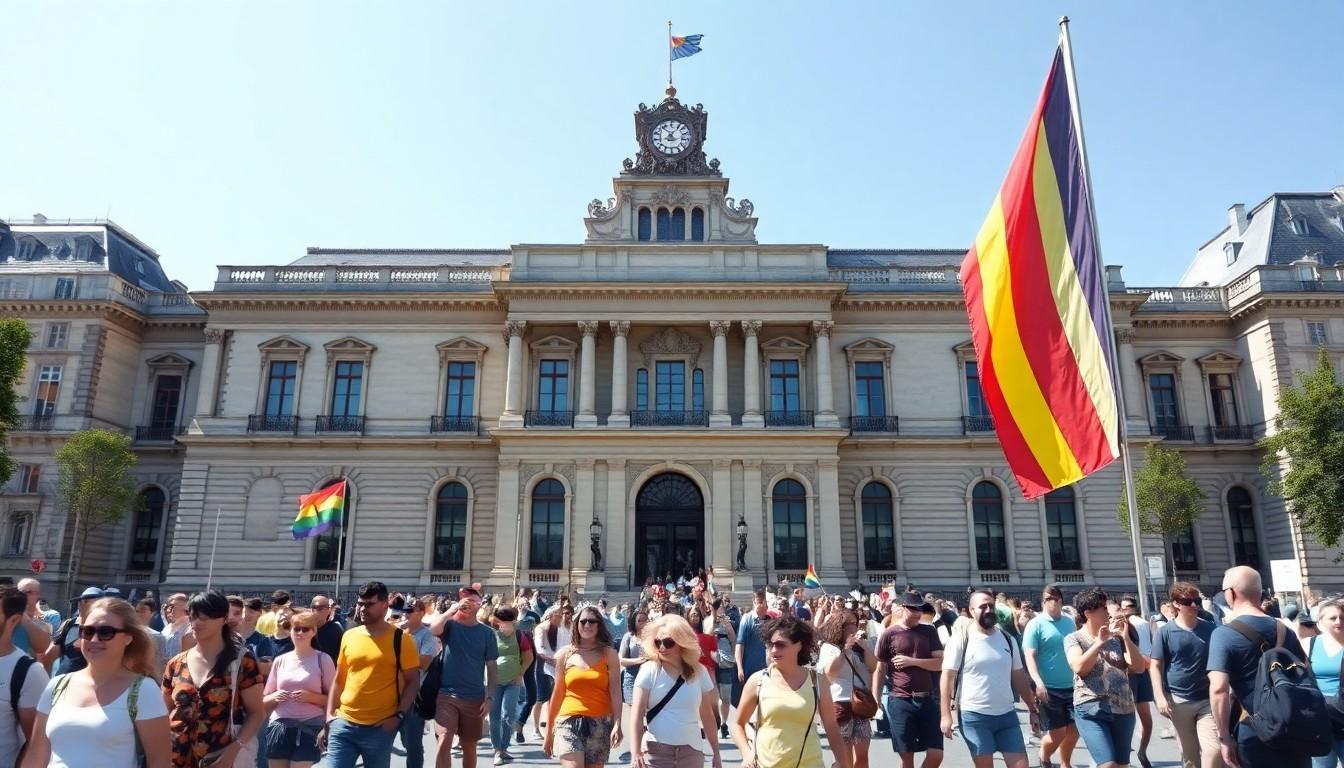
Shoppers and parade-goers noticed a summer without the usual rainbow tide , organisers postponed Paris’s Pride for safety, and now the March des Fiertés is rescheduled for Saturday 3 October 2026, promising a shorter but still spirited route through central Paris. Here’s what to expect and why it matters.
Essential Takeaways
- New date confirmed: the March des Fiertés will take place on Saturday 3 October 2026, starting early afternoon.
- Route changed: parade begins at Place d’Italie, finishes at Place de la Bastille; the original plan to end at Place de la République was scaled back.
- Reason for postponement: heatwave concerns and emergency-service strain caused the June cancellation.
- Programme highlights: speeches from 13:30, march sets off around 14:00, with a free concert at Bastille on arrival.
- Message stays the same: organisers emphasise equality, visibility for LGBTQIA+ people and defending rights ahead of elections.
Why the Pride march moved , heat and public-safety reality checks
The strongest fact up front: organisers pulled the plug on the June march because extreme heat made a large outdoor gathering unsafe, with temperatures near 40°C and emergency services stretched thin. That last-minute cancellation followed other Paris events being called off during the same run of heatwaves, and the decision was taken in coordination with the Prefecture of Police.
Backstory is simple: when ambulances and first responders are already at capacity, putting tens of thousands in the sun was judged too risky. It’s a reminder that climate events now shape how and when we celebrate in public. For attendees, the move felt like a pause rather than a defeat , organisers framed October as a deliberate reschedule, keeping the spirit intact.
What’s different about the October parade route and timing
Expect a slightly shorter, more central route. The procession will kick off at Place d’Italie in the 13th arrondissement after speeches at 13:30, move along avenues such as Gobelins and Boulevard Saint-Germain, cross Pont de Sully and head to Boulevard Henri‑IV before ending at Place de la Bastille.
Originally the march was to continue to Place de la République, a symbolic civic square. The new route trims that final leg but keeps Bastille as a meaningful focal point with a concert and open celebration. If you’ve joined previous Paris Prides, note the change so you can plan meeting points and travel , Bastille is still easy to reach by several métro lines.
What the reschedule means politically and culturally
Organisers have been clear: the date shift doesn’t dilute the march’s mission. With presidential elections looming, the autumn timing puts Pride in a different political calendar , not tucked into Pride Month, but right back in the public square when debates and campaigning ramp up.
That gives activists a fresh platform to press for rights that can’t be assumed, and to call out erosion of protections or rhetoric that targets minorities. It’s also a signal to supporters: the struggle for equality isn’t seasonal. Expect speeches and messaging to tighten on policy asks as well as community celebration.
Practical planning tips for attendees and allies
If you plan to go, arrive early for the 13:30 speeches and pick a metro exit near Place d’Italie to join the start. Bring water, a hat and expect cooler autumn weather , though Paris can surprise you in October, layers work best. For accessibility, check Inter-LGBT and local LGBT networks for meeting points and support services on the day.
If you’re organising a group, set a clear rendezvous spot , Bastille will be louder and busier at the finish , and agree a backup phone-free plan in case mobile networks get overloaded. For those who can’t attend, watch local LGBT media and radio for live coverage and ways to support remotely.
What to watch next , from logistics to legacy
Organisers and local authorities will publish final route maps and logistics as the date approaches, including safety measures and facilities. According to campaign pages and community guides, the spirit of visibility and solidarity remains front and centre, and the march is positioned as both a celebration and a civic intervention.
This autumn edition may shift how Paris frames future Pride events, blending festival energy with a sharper political timeline. For many, that’s a welcome tightening , Pride that’s both joyful and purpose-driven.
It's a small change in the calendar that keeps the cause visible and the celebration loud.
Source Reference Map
Story idea inspired by: [1]
Sources by paragraph: