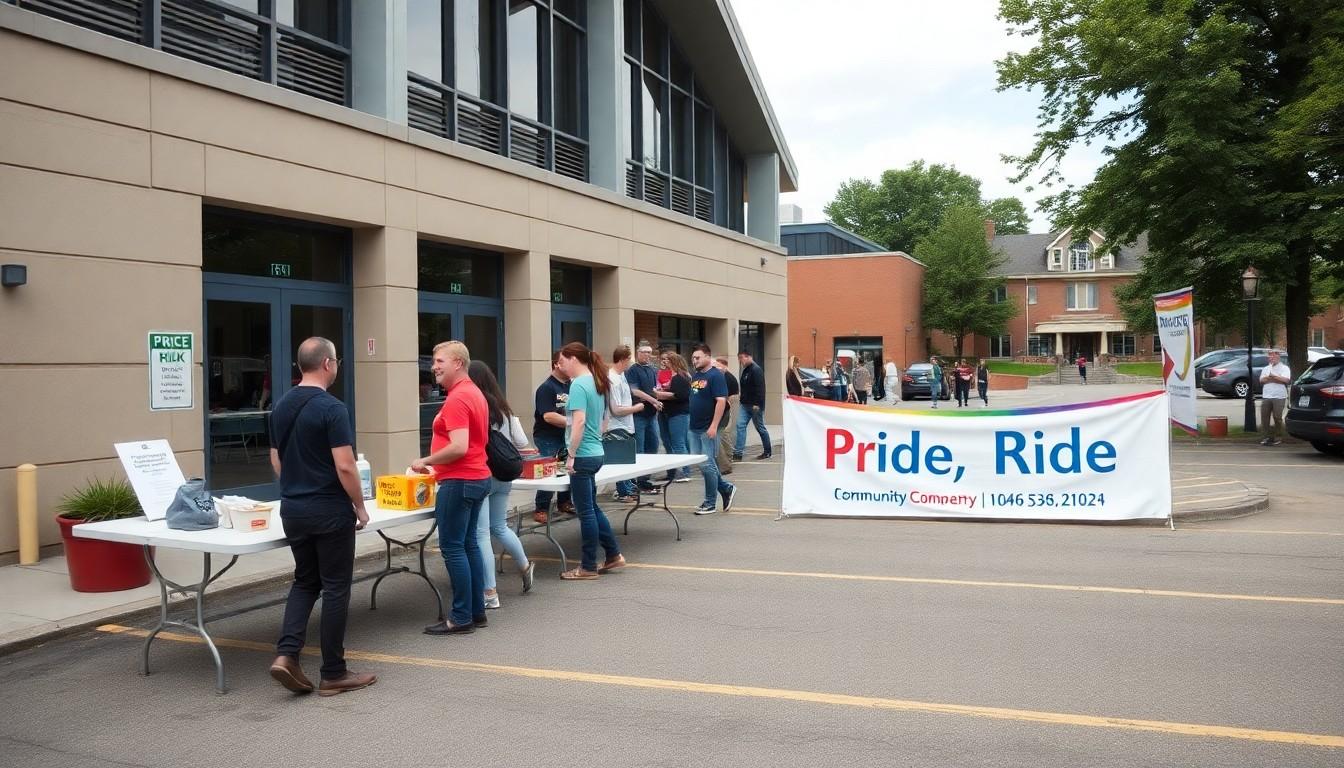
Watch closely: small-town Pride is quietly thriving even as councils and businesses step back, and that matters for LGBT people who want visible, local support. From Crewe's homecoming weekend to rows over funding and library bans, local Pride is becoming a frontline in a bigger cultural fight.
Essential Takeaways
- Local comeback: Community-run Pride festivals are growing in smaller towns, offering a friendlier, lower-key vibe that feels personal and safe.
- Funding squeeze: Several councils controlled by Reform UK or similar groups have pulled funding or support, leaving events to rely on unions, grassroots donations or ticket sales.
- Brand caution: Some big businesses are scaling back visible sponsorships, worried about backlash, which can make events less financially secure.
- Culture clash: Debates about trans inclusion and commercialisation are increasing tensions, but many organisers insist grassroots Pride is resilient and adaptable.
- Practical note: If you want to support local Pride, volunteer, donate, or attend, presence often matters more than logos.
Why Crewe's Pride felt like a quiet victory
Crewe’s weekend-long Pride was, for many, a gentle reminder of what these events can mean: reunion, celebration and a visible signal that the town has changed. The atmosphere was low-lit and sincere rather than loud and corporate, which made it feel more intimate and meaningful to locals like Matt who left as a teenager and returned to see the transformation.
This kind of small-town festival brings a different emotional texture to Pride. Instead of huge stages and headline acts, you get community stalls, local performers and the odd tearful conversation on a park bench. For people who never felt fully seen, that matters in a way corporate sponsorship never will.
If you’re looking to support similar events, think small: volunteer at a stall, chat to organisers about what’s needed, or simply turn up. Presence is the currency these events value most.
Councils pulling support , what’s actually happening
Across several towns and councils there’s been a noticeable pullback in official backing for Pride, often led by conservative or Reform UK-controlled administrations. Some leaders have withdrawn funding outright, or declined to host events on council land. The result is practical: organisers scramble to find alternate spaces or emergency funding and face more red tape.
This shift is part political, part cultural. Local leaders may argue they’re reflecting voters’ preferences, while campaigners see it as a targeted attempt to limit LGBT visibility. The immediate consequence is logistical strain: smaller budgets, fewer road closures, and more reliance on grassroots networks.
If you’re an organiser, plan for contingencies: secure private venues early, build relationships with community groups and prepare online fundraising campaigns.
Why big brands are stepping back , and why it matters
Many high-profile corporations used to sponsor Pride for visibility and employee morale. Lately, some brands have been cautious, anxious about being portrayed as "too woke" and drawing negative attention. That hesitancy shrinks the sponsorship pool and forces festivals to choose between indie funding and the riskier path of corporate partnership.
The reality is nuanced. Some companies quietly support staff networks and match donations without ostentatious logos on the main stage. Others have pulled public funding entirely. That shift doesn’t doom Pride, but it changes the tone: fewer freebies, smaller headline acts, and a greater emphasis on volunteer labour.
For attendees, that can be refreshing. Small events often feel more authentic, even if the beer tent is a little less polished.
The culture wars: trans debates and commercialisation arguments
Pride has always been political, but the last few years have sharpened internal debates, particularly around trans inclusion and whether events are becoming overly commercial. Some critics say Pride has lost its activist edge, while others argue that pulling back corporate support risks removing funds that keep events accessible.
Organisers are caught between preserving Pride’s original protest roots and making events feel safe and celebratory for a diverse audience. The outcome so far is a patchwork: in some places trade unions and grassroots donors fill the gap; in others, festivals shrink or rely on ticketed income.
If you care about the future of Pride, support inclusive policies at events and ask organisers how funds are used. That keeps the focus on people, not logos.
Where Pride goes from here , small steps, practical choices
The coming seasons will likely see more locally run Pride events that favour community connection over spectacle. Some councils may reverse course under pressure, while others become battlegrounds for wider political fights. But the core instinct remains: people want to celebrate and be seen.
Practical steps for supporters include donating to local festivals, volunteering, and encouraging employers to back staff networks quietly but consistently. And if you’re curious about a local event, show up early and talk to the people who make it happen, those conversations often reveal why these smaller Prides endure.
It’s a small change that can make every celebration feel safer and more lasting.
Source Reference Map
Story idea inspired by: [1]
Sources by paragraph: