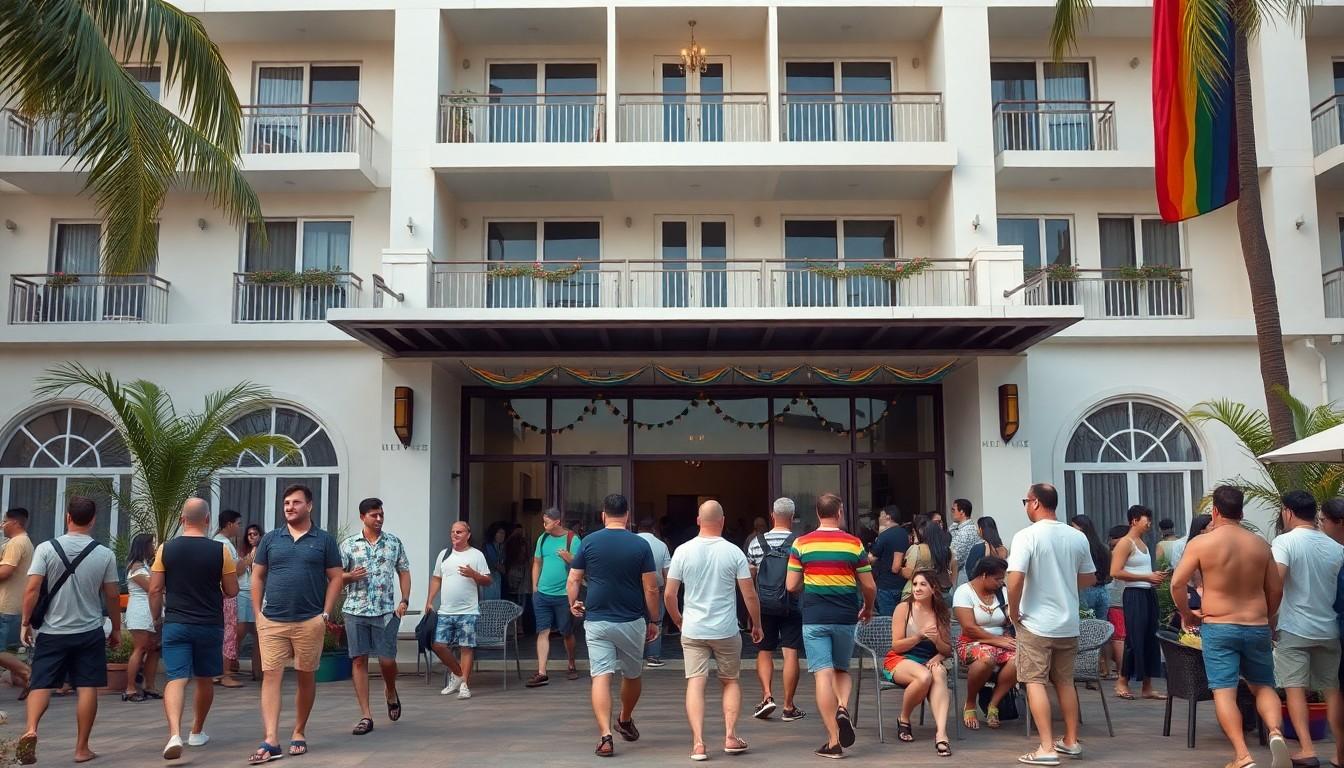
Bursting with sun, sand and a lively queer scene, Goa keeps drawing travellers who want freedom with flavour; here’s what to know about where to go, who you’ll meet, safety tips and the best neighbourhoods to suit your mood.
Essential Takeaways
- Visible but mixed: Goa has a growing, visible LGBTQ community alongside mainstream nightlife; acceptance varies by place and crowd.
- Neighbourhood pick matters: Anjuna and Vagator for parties; Palolem for chill beaches; Panaji for culture and Pride history.
- Events are diverse: From Pride festivals and drag nights to niche gatherings like bear and Daddy meet-ups, check current listings.
- Practical safety: Use reputable transport, meet from public places, secure valuables and avoid drugs; local helplines exist.
- Trans and women travellers: Seek explicitly queer-centred spaces, book established hotels, and contact venues if you have identity concerns.
Why Goa feels both freeing and complicated
Goa’s sun-soaked beaches and bohemian energy make it feel instantly liberating, and you’ll notice that in the relaxed way people dress, dance and mix. That easy atmosphere has helped build a queer scene where you can be seen without disappearing into a single “gay district.” But legal and social realities are more complicated than the postcard. According to reporting and guides, India has made major legal gains for queer people, yet marriage equality and full social acceptance are still works in progress. So it’s wise to enjoy Goa’s openness while staying mindful of where it might not extend. Practical tip: treat visibility like a choice, join queer events if you want to be celebrated, stay low-key in mixed public spaces if you prefer discretion.
Where to base yourself: north, south or the capital?
If you want nightlife and a social scene that tends to attract alternative and international crowds, Anjuna and Vagator in the north are your best bets; they’re lively, messy and full of pop-up parties. Palolem in the south gives you a gentler pace, ideal for couples or anyone craving quieter beach time. Panaji is the pick for restaurants, galleries and Pride history; it’s compact and pleasantly Portuguese in feel. Compare your priorities before booking: proximity to parties, quieter romance, or culture will determine the right base. Many experienced travellers recommend established international hotels for predictable comfort and discreet service. Booking tip: contact your chosen hotel ahead of arrival if you have questions about ID or rooming to avoid surprises at check-in.
The queer calendar: more than one kind of party
Goa’s LGBTQ scene is eclectic. You’ll find big DJ nights and pool parties, but also boutique events, fashion shows, drag nights and community collectives that centre queer people rather than simply tolerating them. Newer festivals target niche communities, from bear gatherings to Daddy socials. Events move fast from season to season, so rely on local listings and community pages rather than old guides. That variety means you can pick events that feel safe and fun for you, whether that’s a rambunctious Anjuna rave or a quieter queer art evening. Insider note: follow collectives and local organisers on social platforms to catch pop-ups and themed nights that don’t make it into mainstream listings.
Safety rules that actually matter on the ground
Goa’s relaxed vibe can encourage riskier behaviour, so keep a few commonsense rules in your pocket. Meet people from dating apps in public places, tell a friend where you’re going, and don’t accept drinks or rides from strangers you don’t trust. Authorities warn that drug offences carry serious penalties, and petty theft can happen in crowded spots. For emergencies, use the tourism helpline or local police numbers rather than improvising. Secure your passport and valuables, avoid deserted beaches after dark, and choose reputable transport services late at night. Smart move: carry a copy of emergency contacts and your hotel address and memorise local helpline numbers before heading out for the evening.
Tips for women and trans travellers: seek intentional spaces
Queer women often report being treated as novelties in mainstream nightlife, so spaces intentionally created for women, non-binary and trans people are precious. These queer-centred events and collectives are where you’ll usually feel safest and most welcome. For trans travellers, India’s legal recognition of a third gender helps, but day-to-day interactions can still be uneven. Booking established hotels, keeping documentation consistent and emailing or calling ahead about check-in processes can reduce awkwardness at arrival. Look for venues that explicitly describe themselves as queer-centred. Practical advice: when in doubt, choose community-run events and well-reviewed properties that advertise inclusion; they’re often more prepared to welcome and accommodate diverse guests.
Beyond the parties: culture, food and slow days
Goa isn’t just a beach party, its Portuguese heritage, riverside Fontainhas quarter, spice plantations and forts give you plenty of quieter pleasures. Rent a scooter if you’re comfortable with local traffic, try local Goan cuisine, and take a Mandovi River cruise at sunset for something calmer and unforgettable. Tourism drives are encouraging experiences that connect visitors with village life and local traditions, so consider mixing in cultural outings rather than treating every day as a night out. That balance helps you enjoy Goa sustainably and respectfully. Final practical note: be mindful at religious sites, dress conservatively and ask before taking photos of locals.
It's a small change in approach that can make every stay safer and more fun.
Source Reference Map
Story idea inspired by: [1]
Sources by paragraph: