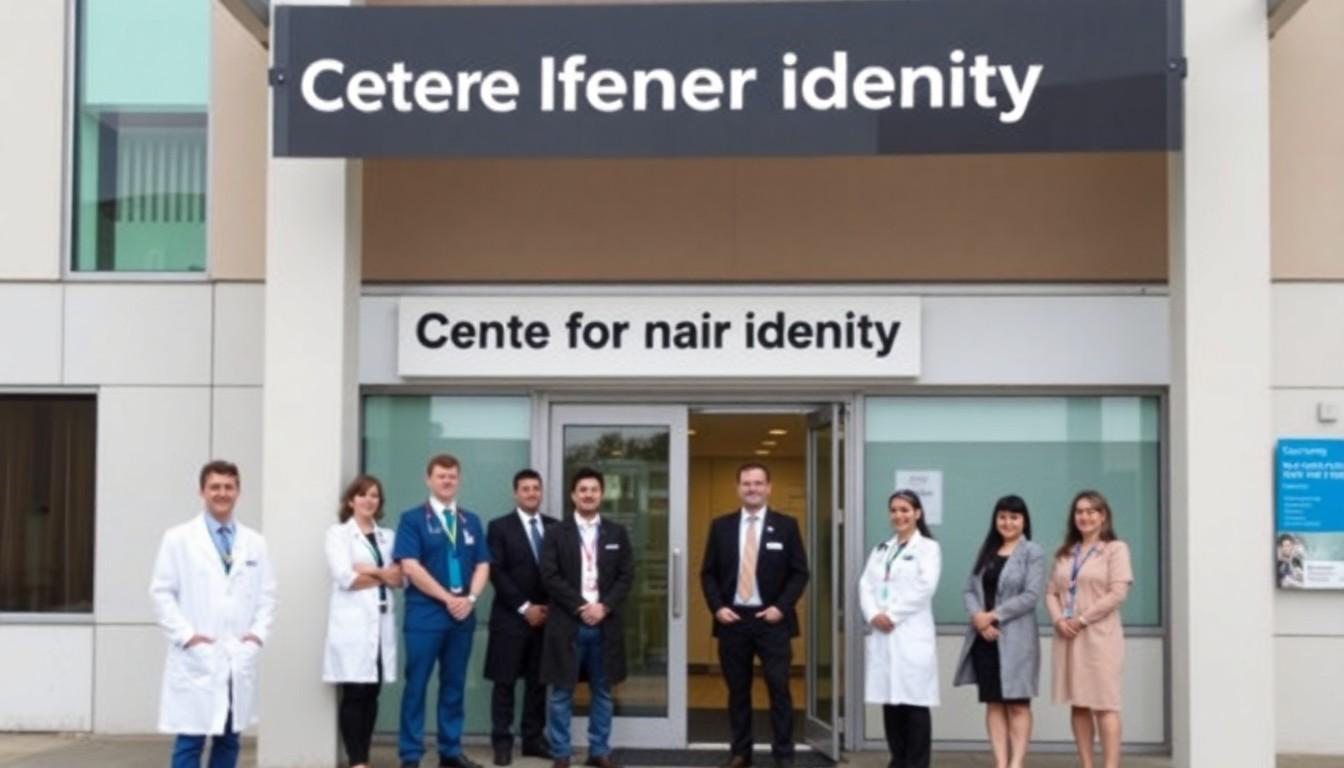
Shoppers are turning to specialist clinics for better trans healthcare, and 68-year-old Dr Astrid Højgaard’s decades of work in Aalborg shows why it matters , she’s just been honoured with Årets Laks for pioneering more humane, practical treatment for trans people in Danish hospitals.
Essential Takeaways
- Awarded for impact: Astrid Højgaard received Årets Laks from LGBT+ Denmark in Copenhagen Pride for long-term work improving trans healthcare.
- System change: She helped found the Sexological Centre at Aalborg University Hospital and pushed for a dedicated Centre for Gender Identity in 2017.
- Patient-centred options: The centre offers individualised care, including mastectomy without mandatory hormone therapy , a rare option in Denmark.
- From psychiatry to medicine: Her work helped move trans healthcare away from mandatory psychiatric diagnoses and invasive gatekeeping.
- Back to work: Although retired in January, Astrid returned to train new endocrinologists because demand for services is high.
A visible, human reward , why the award matters
The image of a delighted 68-year-old doctor accepting Årets Laks is vivid; awards like this amplify quieter clinical work into public recognition. According to LGBT+ Denmark, the prize honours those who substantially improve life for LGBT people, and Astrid’s work fits that bill. It’s not just a medal , it’s a statement that healthcare can change when clinicians listen.
Her reaction underlines the emotional payoff. Patients’ faces, she says, tell the story: people who begin treatment often seem to visibly relax and glow. That’s the sensory proof clinicians and campaigners cite when arguing for reform.
From hospital meeting rooms to a new department
Astrid’s route started in clinical frustration. Working as a gynaecologist and eventually head at the Sexological Centre, she repeatedly saw trans patients encounter outdated procedures and attitudes. She began meeting local trans organisations and probing how to do better.
In 2017 that conversation produced the Centre for Gender Identity as part of the Sexological Centre. The aim was practical: design individualised pathways so people weren’t forced into one-size-fits-all treatment, and remove unnecessary psychiatric gatekeeping that had long stigmatised trans lives.
Practical change: real choices for real people
One concrete shift is surgical access. Astrid’s team offers mastectomy without requirements to start hormone therapy first , a significant option for people who want chest surgery without hormone-related changes. That feels like progress because it foregrounds the patient’s needs over bureaucratic checklists.
There’s also a training element. Treatment pathways demand specialist endocrine knowledge, surgical skill and a holistic approach to mental health. Astrid stayed on to mentor two endocrinologists so the centre can meet rising demand , a sign services are expanding rather than shrinking.
The broader trend: depathologising gender diversity
Historically, trans identities were classed as psychiatric issues; diagnoses and invasive requirements were the norm. Astrid’s work exemplifies a larger shift across many health systems toward depathologising gender diversity and offering medically appropriate, person-centred care.
Industry and academic discussion has trended that way, and patient numbers at gender identity centres are rising. That’s partly due to greater awareness, partly to changing policies and partly to clinics offering care that feels respectful rather than punitive.
How this affects patients and families
If you or someone you care about is seeking trans healthcare, the practical takeaway is to look for centres that offer individualised routes, informed consent options and multidisciplinary teams. Ask about surgical pathways, hormone protocols and how the clinic supports mental wellbeing across the process.
Clinics that train new specialists and document outcomes tend to provide steadier long-term care. And if you’re navigating the system, advocacy groups and centre staff can often explain options in plain terms , use them.
It's a small but crucial shift: making clinics more humane makes lives better.
Source Reference Map
Story idea inspired by: [1]
Sources by paragraph: