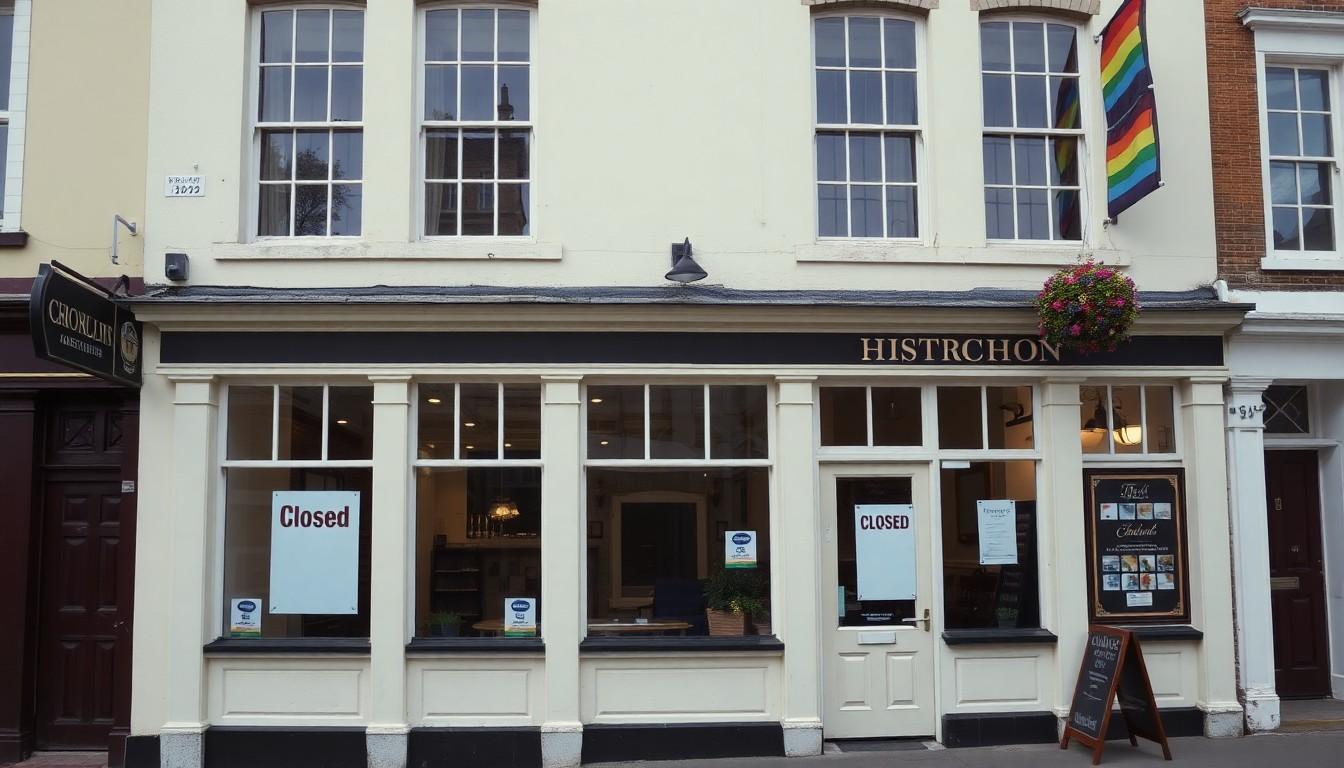
Shoppers, visitors and locals are watching Brighton’s famous queer nightlife shrink as two long‑running venues announce closures, sparking urgent talks between MPs, owners and campaigners about how to protect the city’s night‑time economy and safe spaces that matter to residents and tourists alike.
Essential Takeaways
- Two pillars gone: R‑Bar and Charles Street Tap, each serving Brighton’s LGBTQ+ community for more than two decades, have announced permanent closures.
- Local alarm: Owners and venue operators describe closures as symptomatic of wider financial and regulatory pressures, calling them a “wake‑up call.”
- Political response: Brighton Kemptown’s MP held meetings with pub and club owners and plans to raise the issue in Parliament.
- Community role: LGBTQ+ venues are framed as more than nightlife , they’re tourism draws, cultural heritage and crucial safe spaces.
- Practical stakes: Operators point to taxation, licensing and promotion as key areas for change if further losses are to be avoided.
Why two big names closing feels worse than it sounds
Brighton’s nightlife has always had a particular texture , loud, bright, inclusive , and when familiar doors stay shut, it hits like a small, persistent ache. The recent announcements that two long‑standing LGBTQ+ venues will close have owners and patrons describing the losses as cultural and economic, not just commercial.
Business leaders in the city say these closures follow years of mounting pressures: rising costs, trickier licensing rules and a squeeze on footfall. According to local reports, the decisions weren’t sudden but the timing has made the impact feel acute. For anyone who’s danced, volunteered or found a first sense of belonging in these venues, the change is deeply personal.
If you’re wondering what this means on the ground, expect fewer weekend options, less specialist programming and a slimmer entry in Brighton’s tourist pitch. For queer visitors looking for community as much as a night out, it’s a real downgrade.
Owners and campaigners want policy fixes , what they’re asking for
Venue operators have been clear about the levers they want pulled. They’re asking for a rethink on taxation and business rates, more flexible licensing that recognises late‑night economies, and targeted support to help venues survive quieter months.
Local figures are also pushing for better promotion of Brighton’s unique offer. The argument is straightforward: help keep venues open and the city’s reputation as a leading LGBTQ+ destination stays intact, which in turn supports tourism revenue and local jobs.
Politicians have started listening. An MP for the area convened meetings with owners and managers to hear their concerns directly and promised to raise the matter in Parliament , a small but necessary step towards change.
What’s at stake beyond booze and music
People often assume a bar is just a bar, but LGBTQ+ venues have long served additional roles: safe spaces, meeting points for activists, and settings where history is preserved through shared memory. Losing them chips away at the social fabric.
Industry voices highlight that venues also underpin Brighton’s wider economy. They bring in visitors who spend across hotels, restaurants and retail, and they host events that can last for weeks, not just nights. So closures ripple outwards, affecting jobs from bartenders to taxi drivers.
For anyone who values community, the question isn’t only about nostalgia. It’s about access to spaces where people can be themselves without explanation , a quiet but powerful civic good.
Tips for residents and visitors who want to help
You don’t need to be a politician to make a difference. Support looks simple: choose queer‑owned or queer‑friendly venues when going out, attend weekday events to boost quieter nights, and promote local spots on social media or review sites.
If you run a business, consider cross‑promotion or daytime uses for venues to spread income across the week. And if you’re a campaigner, organise constructive conversations with councils and licensing bodies , practical proposals are more persuasive than complaints alone.
Even small acts, like booking a table or turning up for a midweek drag night, add up and can help shift a fragile balance.
Looking ahead , can Brighton rewire its nightlife?
There’s cautious optimism among operators that change is possible if policy, promotion and public habits move together. Some suggest dedicated funding streams or rate relief for cultural night‑time venues; others want a clearer city strategy that treats nightlife as an asset rather than a nuisance.
Whatever happens next, one human truth remains: communities adapt, but they don’t forget. Brighton’s queer history is stitched into the city and, with the right mix of political will and community backing, there’s still scope to protect and reinvent the spaces that matter.
It’s a small change that can make every night out safer, louder and more welcoming again.
Source Reference Map
Story idea inspired by: [1]
Sources by paragraph: