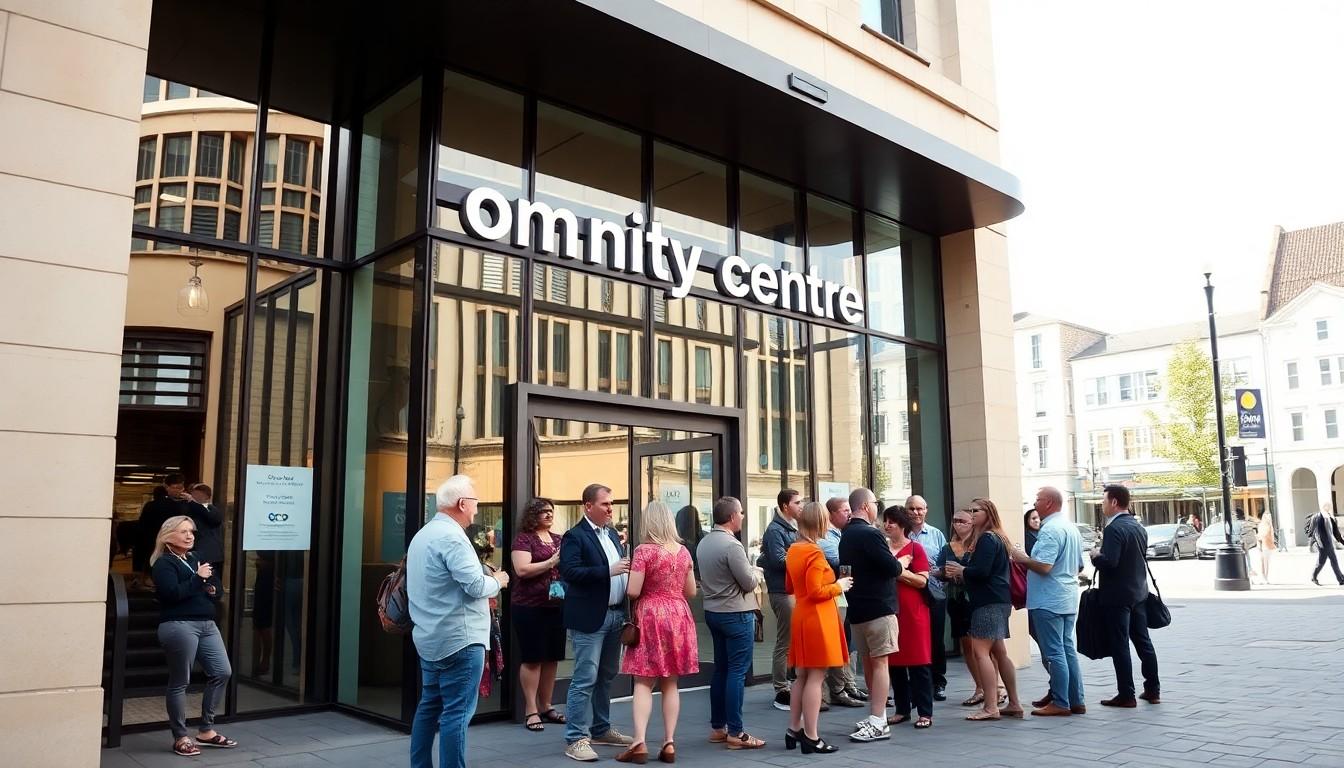
Shoppers are turning their heads , and plenty of locals are talking , after a flood of hateful comments on a Bath Pride post forced its Facebook thread to close. This piece looks at who said what, why the backlash matters locally and nationally, and practical ways communities and readers can respond when online vitriol shows up.
Essential Takeaways
- Scale of abuse: Social feeds around Pride events frequently see a spike in insults, threats and dehumanising language, making moderation necessary.
- Real-world risk: Incendiary online remarks can echo real incidents reported around other Pride events, from fired pellets to vandalism, and may be treated as hate crimes.
- Sight and sound: Many abusive accounts used full names and photos, which means the behaviour is visible and traceable , a double-edged sword for accountability.
- Health of a community: Writers and readers note that persistent hatred often signals unhappiness in the commentator, not strength in the target; compassionate interventions can help.
- Practical steps: Report, document, and use privacy tools; support local Pride financially or by attending; contact platforms and police when threats cross into criminality.
What happened in Bath , and why it felt worse than usual
The local paper checked details about parade timings and road closures, and the comments that followed quickly slipped into something darker. A handful of posts crossed from insult into threats, with some explicitly referencing violent acts and others wishing disease on attendees. The visual of an otherwise sunny city event made the venom feel especially jarring, and it wasn’t just name‑calling , several messages alluded to real-world harm.
Context matters here: according to advocacy groups and regional reporting, Pride season nationally tends to bring a rise in anti-LGBTQ+ hostility, from harassment to targeted attacks. That pattern helps explain why moderators shut the thread down; platforms and publishers often have to balance public information with preventing amplification of hate.
Why online comments can be dangerous in real life
Online abuse isn’t always just words. Local and national reporting has linked hostile online climates with physical incidents , pallets or pellets fired at gatherings, vandalism of memorial benches, and hate-crime investigations after targeted actions. Those stories aren’t isolated; they’re part of a wider trend where public hostility can translate into intimidation and harm.
If you see threats or credible calls for violence online, report them to the platform and, where relevant, to the police. Document screenshots with timestamps and links, but avoid engaging directly with the perpetrators , that can escalate matters and make you a target.
Accountability, privacy and the tricky ethics of naming names
A lot of the abusive Bath comments came from accounts showing full names and workplaces, which raises awkward choices. Some outlets publish identities when behaviour is clearly harmful or newsworthy; others withhold names to avoid amplifying hatred. There’s no one-size-fits-all answer, but transparency about moderation decisions helps readers understand why a comments section was closed or why names weren’t printed.
If you post publicly, remember that what you write can follow you. Employers and communities do look at social media, and some people regret impulsive posts years later. Conversely, visible accounts also make it easier for law enforcement to investigate threats when necessary.
How communities and individuals can respond constructively
There are practical options beyond outrage. If you want to support safer Pride events, show up, volunteer, or donate , visibility matters. Report violent or harassing posts to social platforms and, when threats are made, to local police. Use privacy settings and block repeat offenders. If you see someone expressing hateful views, a private, calm conversation from a friend or neighbour can sometimes shift attitudes more than public shaming.
Organisers and publishers can invest in clearer moderation, swift removal of violent content, and signposting to support services for targets. Readers can help by amplifying positive coverage: photos of music, food stalls and families having a good time are a simple, immediate rebuttal to the idea that Pride is chaotic or dangerous.
A cultural takeaway: hate often says more about the speaker than the target
There’s a human pattern beneath the fury. Comment threads full of threats and slurs often look like outlets for people who feel isolated, fearful or chronically angry. That doesn’t excuse abuse, but it might explain why it surfaces , and why community-building can be part of the antidote. Small gestures, from inviting someone to tea to creating neighbourly events, can chip away at the loneliness that fuels some of this behaviour.
Meanwhile, those who attended Bath Pride reported a pleasant weekend , music, food and company. That’s the lasting image most of us will keep: a city enjoying itself, not the angry remarks left online.
It's a small change that can make every Pride march safer and every comment section kinder.
Source Reference Map
Story idea inspired by: [1]
Sources by paragraph: