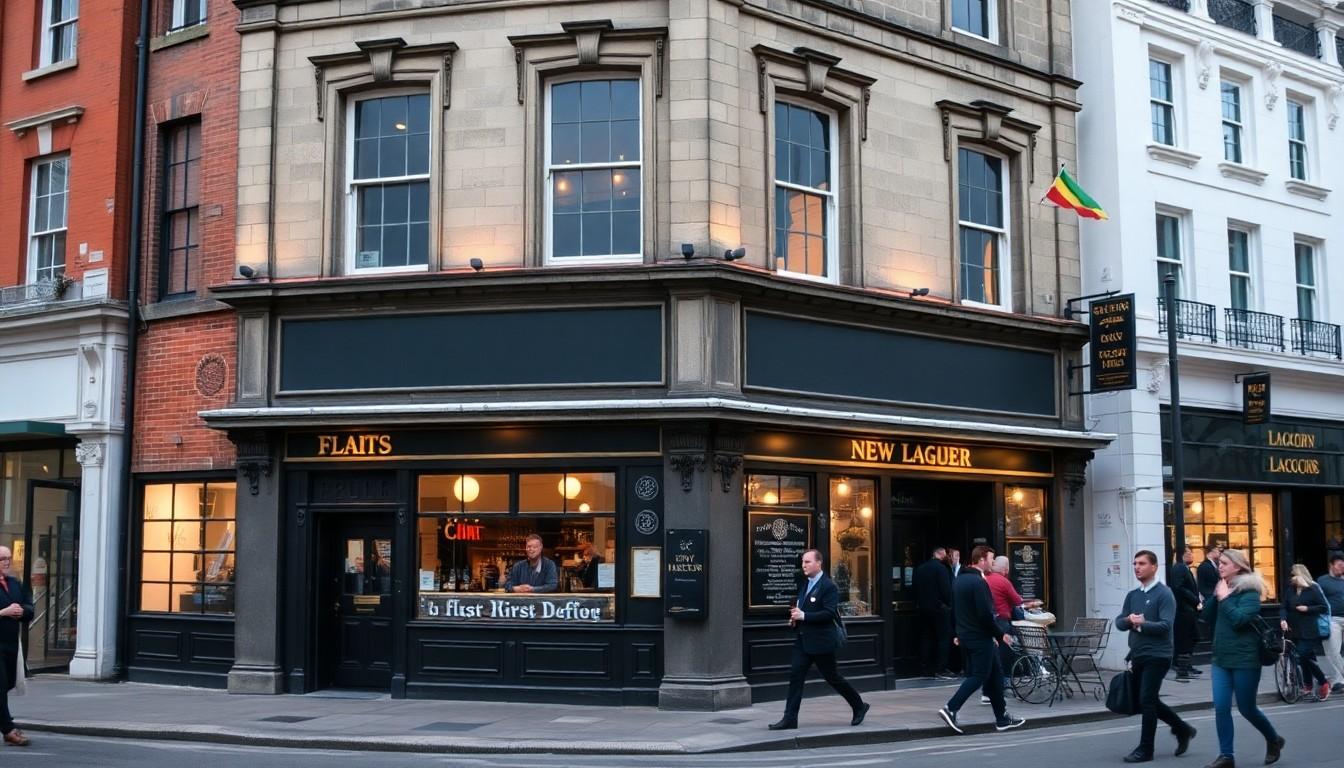
Shoppers are saying Brighton can’t afford to lose its queer nightlife; councillors and campaigners are launching Save Our Scene to protect LGBTQ+ bars and clubs, after long-running spots such as R‑Bar and Charles Street Tap announced closures. Here’s what’s at stake, what’s behind the decline, and practical steps to help keep venues open.
Essential Takeaways
- Historic importance: Brighton’s queer venues have been social lifelines since the 1970s and 1980s, offering safety, support and community.
- Recent losses: Longstanding venues including R‑Bar and Charles Street Tap are closing, leaving gaps on St James’s Street.
- Local action: The council has launched Save Our Scene and is rewriting nightlife policy to be more supportive.
- Practical fixes: Measures like flexible licensing, business-rate relief, safer streets and targeted grants could make a real difference.
- Community role: Regulars, locals and visitors can help by choosing nights out wisely, volunteering, or backing campaigns.
Why Brighton’s gay bars are more than just a night out
Brighton’s bars smell of history as well as cheap perfume; they’re where people first dared to be themselves. According to local campaigners and councillors, venues like the Bulldog and others have doubled as meeting places for activism and as spaces for mutual support during crises such as the HIV/AIDS era. That legacy is visceral: these places have held grief, joy and organising in equal measure.
Losing them doesn’t only thin the calendar, it erodes cultural touchstones. Brighton’s queer nightlife has threaded through community building for decades, and that continuity matters to people who still rely on safe, physical spaces to meet friends, find allies and feel seen.
What’s caused the current closures , and why it’s different now
Venues are closing because costs have outpaced revenue; staffing, energy, rent and insurance bites are squeezing margins. Changing social habits and the cost of living mean some nights are quieter than before, and a handful of well‑known spots have publicly cited rising bills when announcing closures.
Local leaders say policy once made things harder, and they’ve been working on licensing reform to make life easier for well-run venues. But reforms take time, and for operators on the brink there’s little breathing room. Add a tense national climate for LGBTQ+ people and you have a recipe that puts some venues at greater risk than in calmer periods.
What Save Our Scene aims to do , and what really helps
The new Save Our Scene campaign is about listening and practical action. Councillors are inviting every LGBTQ+ venue to the town hall to map needs and push for changes both locally and nationally. The council’s revamped Nighttime Economy Strategy will look at later opening, safer streets and incentives for businesses.
The useful, immediate asks are clear: targeted financial support for independent venues, simplified licence applications for sound, extended late‑night food options for shift workers, and coordinated policing that protects patrons without criminalising nightlife. Those measures would help venues survive while keeping streets safer and more welcoming.
How residents and night‑outers can make a difference
It’s tempting to think policy alone will save the scene, but local action shifts the balance. Go on quieter weeknights, order food, bring friends, and book tables rather than turning up last minute. If you run a business, consider partnerships with venues for pop‑ups or midweek events. Volunteering to steward nights, donating to grassroots campaigns, or joining local consultations all help.
If you want to be louder, support councillors pushing for change and sign petitions asking for targeted support. Small, regular spending is often more valuable than occasional big nights out , it gives operators predictable revenue.
What the future could look like , hopeful, but it needs work
Brighton’s nightlife could rebound if policy, community and business adapt together. A city that champions late‑night culture while protecting residents and workers can keep venues viable and varied. The council’s candid admission that previous licensing held things back is a promising step, and the Save Our Scene consultation should surface practical fixes.
But it won’t be instant. To preserve queer culture and safe spaces, Brighton needs both short‑term relief for struggling venues and long‑term strategies that make nightlife sustainable and inclusive.
It's a small change that can make every night out safer and richer.
Source Reference Map
Story idea inspired by: [1]
Sources by paragraph: