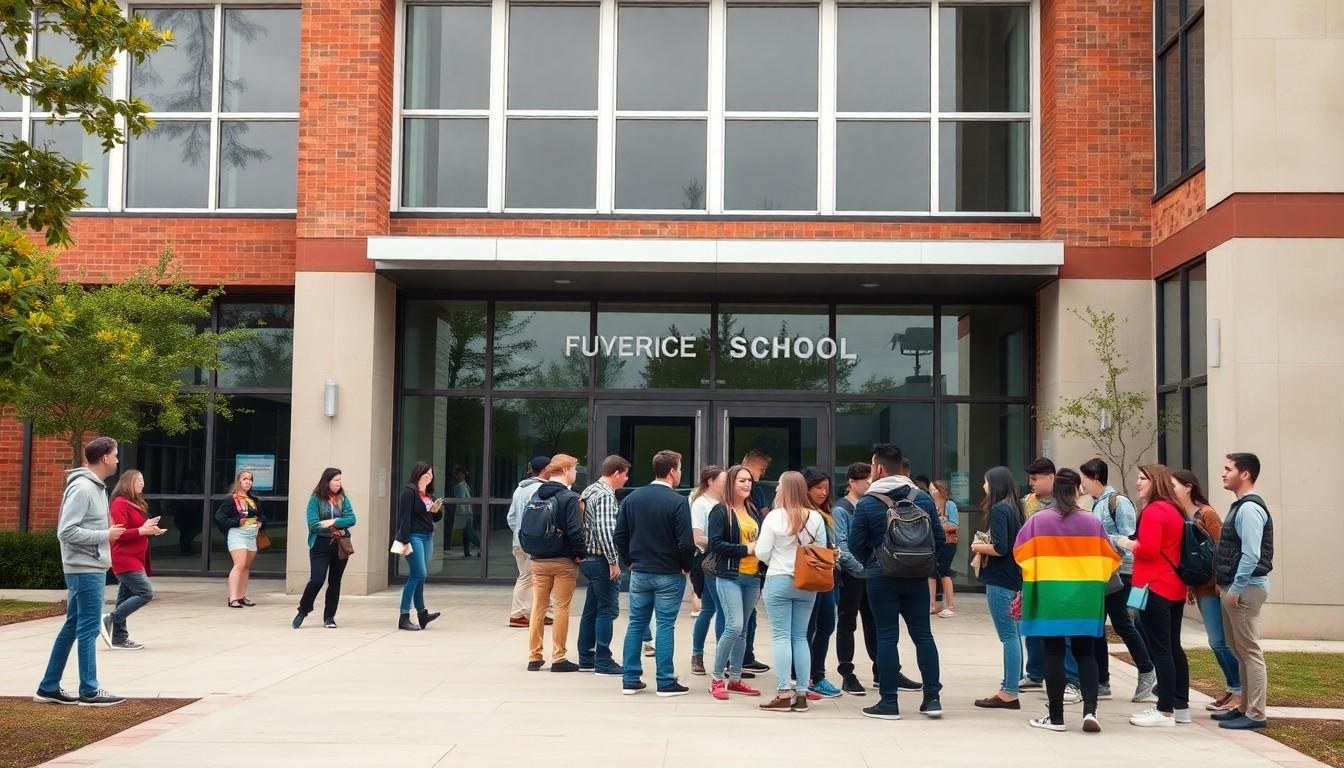
Shoppers are turning to data and students’ voices: a new wave of research and testimony shows what queer pupils really need in classrooms, and why small gestures often matter more than headline-grabbing bills. Parents, teachers and policymakers should pay attention , students already are acting.
Essential Takeaways
- Scope of the debate: Hundreds of anti-LGBTQ+ bills are moving through state legislatures this year, with education and health measures prominent, according to national trackers.
- Everyday impact: Two in three LGBTQ+ students report feeling unsafe at school, and many only sometimes , or rarely , look forward to class.
- Small supports, big returns: Students name simple actions , a teacher asking pronouns, a Pride flag, inclusive policies , as game changers for belonging and attendance.
- Student agency: Rather than wait for adults, young people are organising, fundraising for care, and creating new peer-led groups and resources.
- Practical priority: Supportive staff, clear policies and student-led clubs correlate with better grades, fewer absences and a stronger sense of belonging.
Why the headlines miss what students actually care about
Watch the news for long enough and you’ll think school life for queer kids is all courtroom battles and contested bathrooms; it’s noisy and often terrifying to watch. But GLAAD-style trackers and school climate surveys remind us the day-to-day is more mundane and more fixable: friendly teachers, respectful language and visible signs of safety change how a student feels within minutes. According to school climate research, those small cues are linked to attendance and grades, so they aren’t just symbolic gestures.
Backstory: lawmakers and advocacy groups are locked in a national sprint over hundreds of bills this year, while students keep turning up to class. This mismatch , adults debating policy while young people live the consequences , is exactly what many young activists point out. The most immediate wins aren’t always legal victories; they’re cultural shifts in the corridor and classroom.
What supportive staff and policies actually look like
A supportive teacher can be the quiet difference between dread and relief. Ask for pronouns, correct misgendering, and enforce anti-bullying rules consistently , those moves take little training but send a clear message. Schools with inclusive policies and active Gender and Sexuality Alliances report measurable improvements in well-being and academics.
Practical tip: schools should offer brief, practical training for all staff on pronouns and bias incident response, not just optional seminars for those already motivated. It’s low-cost and high-impact, and students notice.
How students are organising , and why adults should listen
If you think young people are passive, meet the students organising mutual aid and peer networks. From fundraising for gender-affirming care to founding inclusion clubs that welcome curious classmates, students are building the infrastructure adults haven’t provided. They’re testifying at state hearings and running peer-led projects that actually reflect their lives.
Context: youth-led groups often reach students who avoid more explicitly queer spaces, widening the effect. Encouraging and resourcing student initiatives is a practical, immediate investment schools can make.
Why legislation matters , and where it doesn’t answer everything
There’s no denying the scale: civil-rights organisations and trackers list hundreds of bills targeting LGBTQ+ rights, many aimed at education and healthcare. Those statutes can impose real harms, from limiting access to gender-affirming care to restricting what teachers can say. But laws alone don’t capture the small daily interactions that shape a child’s school experience.
Advice for parents and advocates: pay attention to both levels. Push back on harmful bills and, at the same time, help your local school adopt supportive practices that students say make the biggest difference.
Making a plan at your school , simple steps that actually work
Start with basics: visible messages of support, clear reporting routes for bullying, and staff who know how to use students’ names and pronouns. Fund the school club that welcomes all students, not just those already out, and offer family-facing resources that explain why these steps matter.
Practical checklist: review your anti-bullying policy, create a short staff protocol for incidents, and fund small student grants for peer-led projects. These moves are cheap, visible and, crucially, something students asked for.
It's a generation of kids building solutions; adults should stop speaking over them and start following their lead.
Source Reference Map
Story idea inspired by: [1]
Sources by paragraph: