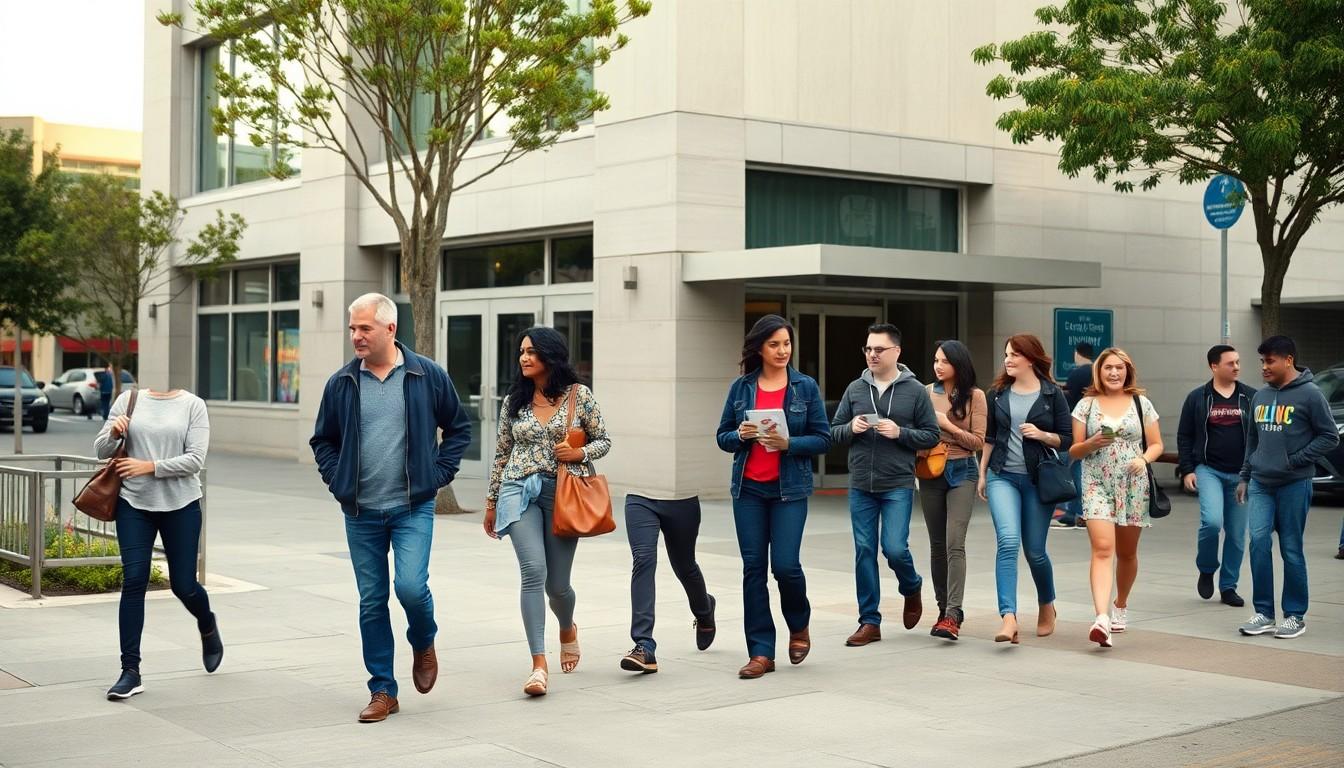
Shoppers and neighbours are noticing a city doubling down on care: San Francisco’s LGBTQIA+ leaders say sanctuary status still matters, but rising costs, federal rollbacks and funding cuts are straining services, so local groups are stitching together mutual aid, legal fights and advocacy to keep trans people safe and seen.
Essential Takeaways
- Sanctuary still matters: San Francisco offers legal and practical protections that attract and shelter trans and queer people, but safety is uneven and anxiety is high.
- Services under strain: Rising demand for basics, housing, food, health care, meets shrinking and unpredictable funding, leaving organisations stretched thin.
- Funding isn't just finance: Leaders say unrestricted, multi-year support is vital; one-year patches force layoffs and program cuts.
- Coalitions win: Cross-sector solidarity and visible physical spaces help protect vulnerable communities and preserve queer history.
- Hopeful tactics: Legal challenges, community art, mutual aid and civic inclusion are practical ways the city fights erasure.
Why San Francisco still feels like a refuge , but not an easy one
San Francisco’s legacy as a haven for LGBTQIA+ people is tangible: community centres, a Transgender District and visible civic roles for trans leaders create a warm, familiar hum of belonging. At the same time, daily life for many in the city is a grind, high rent, food prices and the pressure of competing for scarce services. According to local reporting, trans residents continue to face threats even in sanctuary cities, so the protection is real but not complete. This tension matters because people come here expecting safety and stability, yet find themselves relying on strained non-profits to meet basic needs.
If you’re choosing where to turn for help, look for organisations that offer direct services plus navigation support, ID assistance, benefits enrolment and culturally competent healthcare make a big difference. And don’t assume sanctuary equals safety everywhere; personal safety plans and community networks remain essential.
Funding cuts are a political and practical emergency
Leaders in San Francisco describe recent funding shifts as more than bookkeeping problems: they’re part of a broader attempt to erase trans visibility by starving community infrastructure. HIV prevention and trans-led programmes have seen funding dry up at the same moment demand spikes, echoing local reporting that money for getting to zero on HIV began to decline. That mismatch leaves organisations in survival mode, unable to make long-term hires or sustain critical services.
For funders and donors, the clear ask is for unrestricted, multi-year commitments. If you give, specify core support rather than a single programme; that flexibility lets organisations respond to immediate crises and plan for resilience.
Coalitions, public space and solidarity: tactics that actually protect people
San Francisco’s response leans heavily on coalition-building, non-profits, advocacy groups and city departments joining to oppose cuts and push for permanent funding. There’s a practical lesson here: broad-based alliances make it harder for funders or officials to shrug off pleas for support. Physical spaces also matter; community hubs and named districts aren’t just symbolic, they’re sites of connection and practical services.
If you work in another city, think about what collective protection looks like for your community: shared advocacy campaigns, unified budget asks, and preserving physical spaces where people can gather without fear.
Rewriting history is part of today's political battle
The stakes of historical memory are high. San Francisco’s history, from the Compton’s Cafeteria Riot to trans leadership at Stonewall, reminds us that trans and queer people have always been central to American resistance. But leaders warn that federal actions which erase non-binary markers or target trans healthcare are attempts to sever that history from public life. Local recognition like Transgender History Month and civic appointments push back, making history a living part of policy.
That matters for donors, allies and educators: supporting archives, public art and curricular inclusion helps lock in a narrative that counters erasure and teaches civic empathy to future generations.
What gives organisers hope , and what they need from allies now
Hope comes from mutual aid, art and legal pushback: community leaders point to lawsuits, creative wellness projects and everyday acts of care as life-giving. Practically, they need allies to speak up publicly, not just privately; to push for stable city budgets; and for funders to provide long-term, unrestricted funding so organisations can hire trans staff and sustain core services. In other words, show up with money, platform and patience.
If you want to help today, amplify trans-led campaigns, fund core operations, and encourage your local officials to enshrine protections into city budgets and policy.
It's a small change that can make every day safer for people who need it most.
Source Reference Map
Story idea inspired by: [1]
Sources by paragraph: