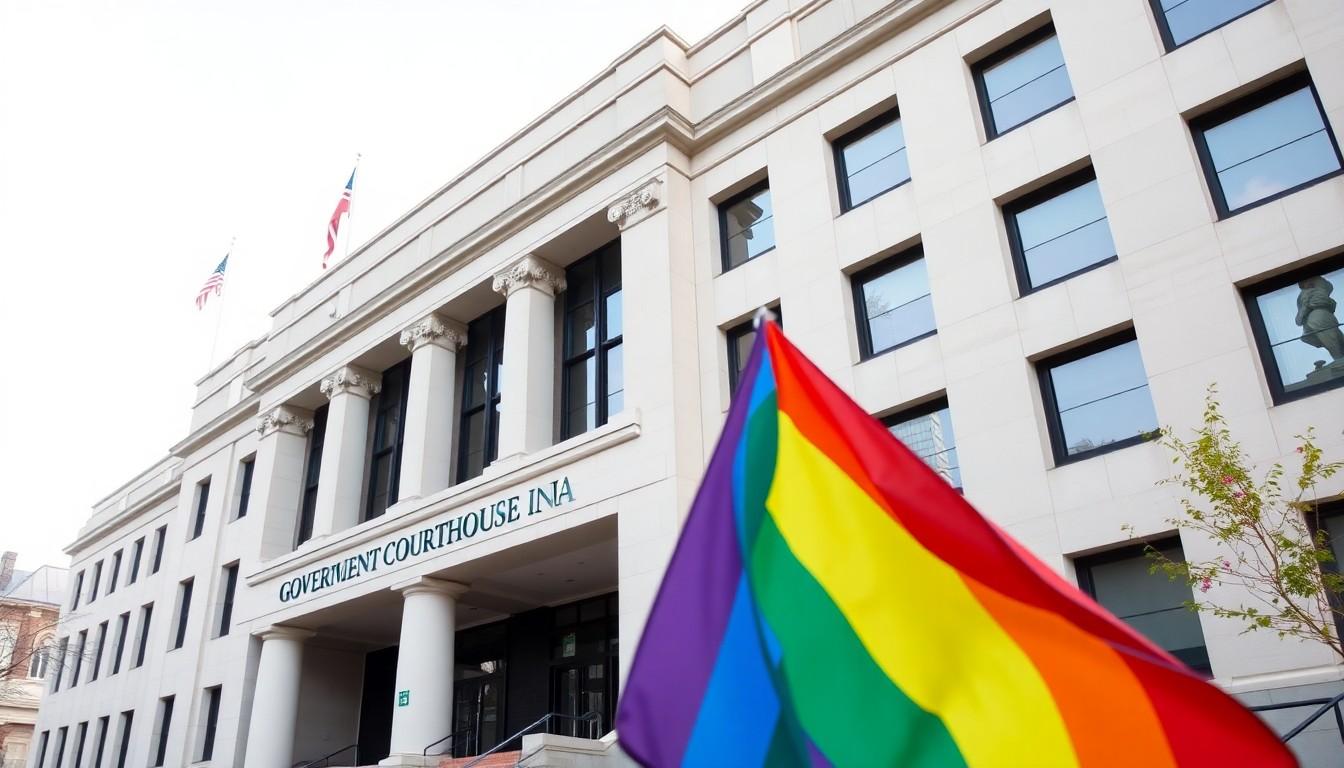
Shoppers are turning to courtroom clarity: a small coalition has asked the U.S. Supreme Court to decide whether Colorado committee rules that bar “misgendering” or “deadnaming” amount to unconstitutional censorship, and the outcome could reshape what speakers can say at state legislative hearings nationwide.
Essential Takeaways
- What’s at stake: a petition asks the Supreme Court to review whether Colorado legislators can enforce rules that restrict certain words or viewpoints in committee testimony.
- Core claim: the brief argues the rules are viewpoint discrimination, not neutral decorum, because they compel acceptance of gender identity ideas.
- Practical effect: witnesses say the policy silences people who want to refer to biological sex or past names when opposing bills.
- Broader worry: the coalition contends such rules could block advocacy on gay and lesbian rights and medical safety for minors.
- Timing: response briefs are due late September; the Court may decide to hear the case within months.
Why this petition landed at the Supreme Court , and why it feels urgent
The LGB Courage Coalition, along with Jamie Reed and Our Duty, filed an amicus brief urging the justices to take Gays Against Groomers v. Garcia. The coalition frames the issue as a free-speech crisis in the very rooms meant for public persuasion: legislative committee hearings. The brief says the Colorado rules go beyond politeness and force speakers either to adopt a contested ideology or to stop speaking , a blunt-sounding restriction on expression.
The backstory matters because this began at hearings over a Colorado bill dubbed Tiara’s Law, where witnesses were ordered not to use pronouns or names that conflict with a person’s declared gender identity. Speakers who tried to reference sex or conviction records say they were cut off. Those interruptions, the lawsuit argues, weren’t mere management of process but suppression of viewpoint.
What the Tenth Circuit decided , and where the controversy remains
A divided Tenth Circuit panel dismissed the suit on legislative-immunity grounds, ruling that lawmakers enjoy broad protection for adopting and enforcing decorum rules during committee business. One judge concurred but warned the majority blurred an important line between creating a rule and silencing a specific speaker.
That split is precisely why the Supreme Court may be interested. If immunity extends to viewpoint-based silencing, critics warn it would create “First Amendment free” zones in the places where speech most directly shapes law. Proponents of the Colorado rules argue decorum is essential to orderly hearings and protecting dignity in the chamber.
The LGB Courage Coalition’s angle: speech rules harm gays and lesbians too
The coalition’s brief makes a pointed argument: rules that forbid plain references to biological sex or past names don’t just affect critics of gender ideology, they hamper gay and lesbian advocacy. It says erasing sex-based language can erase the legal and historical claims of homosexual people and makes it harder to debate medical treatments for minors.
This is a nuanced twist on the usual free-speech framing. Rather than asking only for a right to offend, the brief claims that compelled language actually narrows the ability of certain minority groups to argue for sex-based protections. That framing may broaden sympathy among justices or commentators who otherwise see the dispute as solely about transgender dignity.
Legal theory and practical consequences , what the brief leans on
The amicus invokes legal precedents about viewpoint discrimination, plus social-science ideas like framing effects and the illusory-truth effect, to say compelled word choice shapes belief over time. The bottom line: the brief treats mandated pronouns as more than etiquette , as a mechanism that can alter public persuasion and policy debates.
Practically, if courts allow legislators immunity for enforcing such rules, people who want to cite criminal records, medical risks, or sex-based statistics might be shut out of the public record. That could change how laws are made and how voters learn about them, because testimony influences lawmakers’ votes, the brief reminds readers.
What to watch next , timing, stakes, and what a decision could mean
Response briefs are due on 25 September, and a Supreme Court decision to hear the case could arrive within a few months. If the Court grants certiorari, it will confront questions about the reach of legislative immunity, the definition of decorum versus viewpoint censorship, and the intersection of free speech with evolving norms around gender identity.
Whatever the outcome, the case promises to affect not just Colorado but any state that uses speech codes in committee rooms. For citizens who testify, activists who organise testimony, and lawmakers who rely on input, the reverberations could be immediate.
It's a small change in courtroom wording with potentially large consequences for public debate and for how we argue about sex, safety, and rights.
Source Reference Map
Story idea inspired by: [1]
Sources by paragraph: