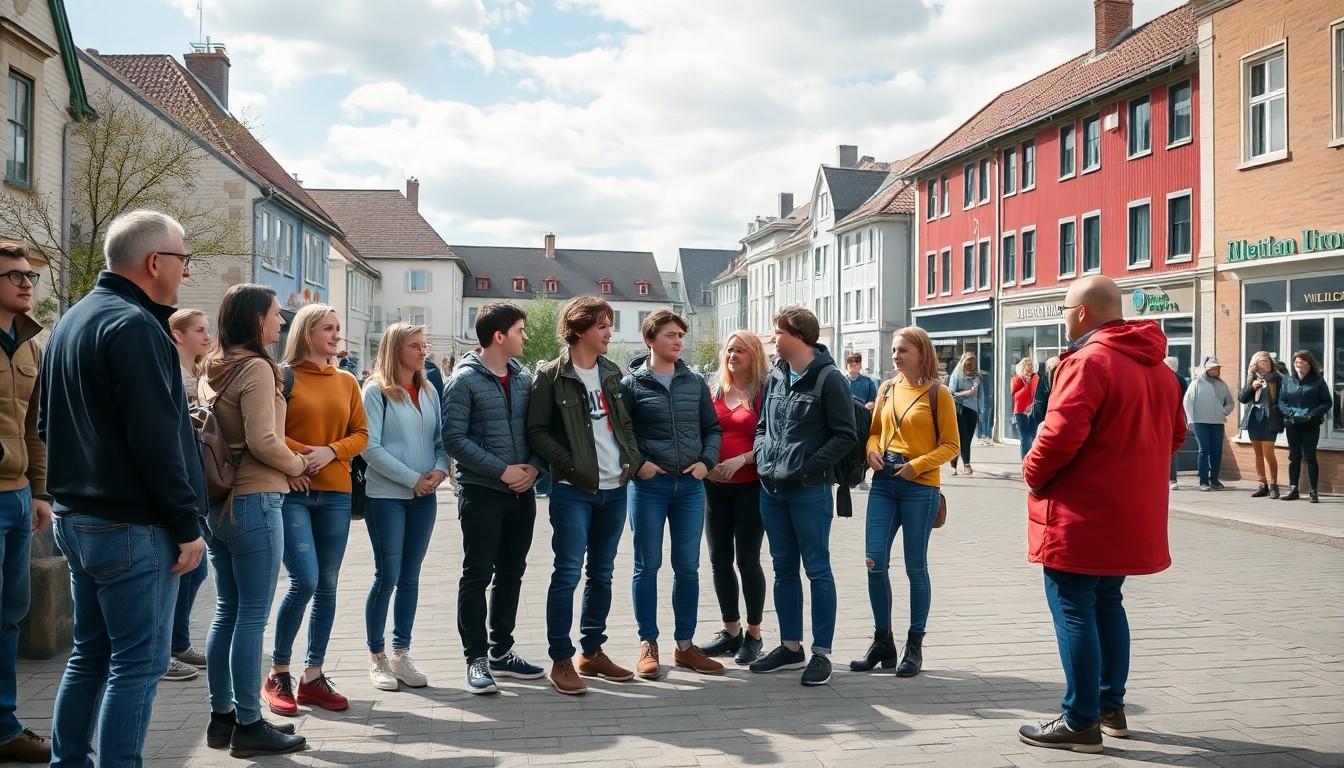
Shoppers are turning out differently now: local organisers and young people say small-town Pride is not just a celebration but a lifeline. In towns from Salo to small communities worldwide, visible, low-key Pride gatherings help young people feel seen, safe and less alone , and that matters more than you might think.
Essential Takeaways
- Local visibility helps: Even a picnic or short parade gives LGBTQ+ young people a reassuring, everyday kind of presence.
- Belonging over spectacle: Small events feel intimate and approachable , a blanket, snacks and friendly faces often matter more than big floats.
- Mental-health boost: Youth in rural and small-town areas face higher isolation and risk; community Pride can reduce loneliness and distress.
- Broad support matters: When churches, local businesses and civic leaders show up, it normalises queer lives and calms public debate.
- Practical wins: Small events are easier to organise, lower-cost, and can open the door to year-round support services.
Why a picnic or small march can change a life
Start with this: a summer evening on a park lawn, a table of homemade cakes and a handful of people can feel, to a teen, like a new world. According to organisers in places like Salo, such low-key gatherings let young people try out being themselves without the glare and pressure of a big-city parade. Research from The Trevor Project shows LGBTQ+ youth in small towns often face more isolation and mental-health risks, so a visible, accepting moment can be genuinely protective. If you’re thinking about organising something, remember the small touches: seating, shade, and clear signage about being a safe space.
The backstory: why Pride migrated to cities , and why it’s returning
Historically, people seeking anonymity and community moved to larger cities where they could find like-minded peers. That migration made sense: cities offered scale, services and subcultures. But now there’s a countermovement. Community groups and local activists are staging simpler Pride events that keep people rooted where they live. Lonely Planet and organisers in the US note this trend , small-town celebrations aren’t competing with big festivals, they’re complementing them, offering a different kind of accessibility and continuity for locals who can’t travel far.
What small Pride looks and feels like
Small-town Pride often trades spectacle for intimacy: picnic blankets instead of floats, spoken-word nights instead of huge stages, resource tables from local health services rather than corporate sponsorships. That familiarity can make Pride feel less threatening to curious neighbours and more inclusive for families and older residents. Heart-of-North-Gap-style events emphasise belonging and practical resources, which helps normalise queer lives across generations. If you’re attending your first event, expect warmth, approachable organisers and a chance to ask questions off-stage.
Practical tips for organisers and supporters
Start small and steady. A reliable annual picnic, a community film night or a visible window decal campaign can be the beginning of a durable local movement. Enlist local institutions: a supportive church, town library or café lends legitimacy and invites quieter residents to show support. Public safety is key , liaise with local authorities early, provide clear volunteer roles, and make mental-health contacts available. And don’t forget accessibility: think about transport, timing and sensory-friendly spaces so everyone can join.
What this means for young people and communities
When a teenager sees even one other person casually enjoying Pride in their hometown, it can shift their sense of possibility. Youth representatives and organisers emphasise listening to young people’s stories rather than adults lecturing them on what’s appropriate. Media coverage and research make clear that visibility reduces shame and isolation; local Pride creates a ripple effect that can keep people in their hometowns while letting them flourish there. In short, it’s an act of community-building that pays off quietly but deeply.
It's a small change that can make every neighbourhood safer and more welcoming.
Source Reference Map
Story idea inspired by: [1]
Sources by paragraph: