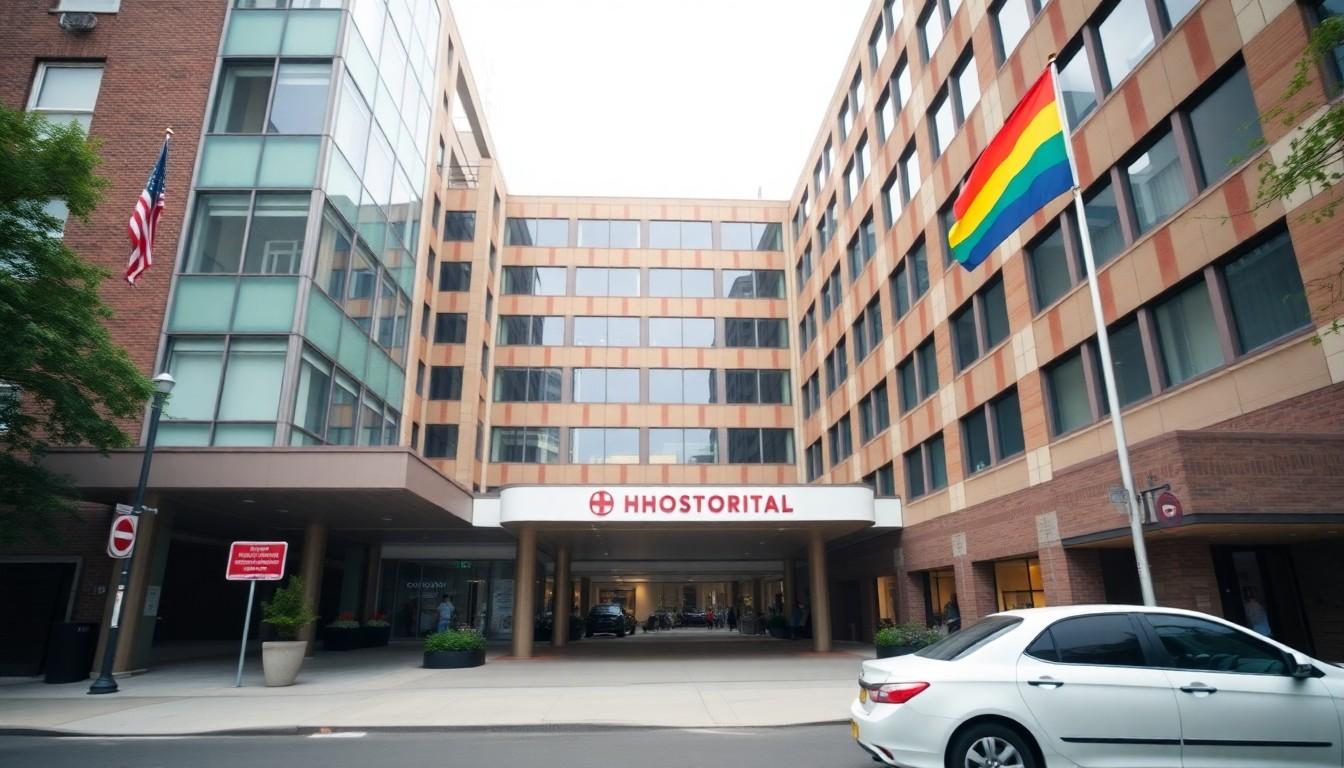
Shoppers are turning to privacy as a frontline defence , New Yorkers scored a legal reprieve this week after an appeals court blocked the Department of Justice from grabbing identifying medical records of transgender young people treated in city hospitals, a win that protects families now but leaves wider access questions unresolved.
Essential Takeaways
- Court action: An appeals court paused the DOJ’s ability to obtain identifying and sensitive medical records of trans youth treated at NYC hospitals.
- Who fought back: Lambda Legal, the ACLU and the New York Civil Liberties Union sued to stop disclosure on behalf of affected patients and families.
- Local support: City and state officials, including Manhattan leadership and the Mayor’s office, publicly applauded the decision and called for further protections.
- Privacy vs access: Advocates stress that shielding records is vital but doesn’t by itself secure continued, affordable access to gender-affirming care.
- Practical impact: Hospitals had planned to redact identifiers, but the suit sought to block any compelled release of private health details.
Why this appeal decision matters right now
The immediate relief is sensory and emotional , families can breathe easier knowing their intimate medical details won’t be handed over while the case is appealed. According to the ACLU and reporting in Gothamist, the Second Circuit left in place an order preventing the Department of Justice from taking identifying records from New York hospitals, including NYU Langone and Mount Sinai. That pause buys time and reduces the immediate fear of exposure, but it’s not the end of the story.
This development follows subpoenas tied to a federal grand jury investigation into gender-affirming care, and organisers say the legal challenge was necessary because hospitals alone redacting records didn’t feel like enough protection. Lambda Legal and other civil rights groups stepped in to argue for a firmer, judicial barrier.
Who rallied and why their stance matters
Local leaders made this a civic moment. Manhattan Borough President Brad Hoylman-Sigal and state Sen. Erik Bottcher publicly praised the ruling, and the Mayor’s Office of LGBTQIA+ Affairs framed the decision as a welcome relief. Their reactions matter because they help shape policy responses , officials can push for funding, hotlines or clinics that reduce reliance on a vulnerable patchwork of providers.
Advocates also called for more proactive measures. The NEW Pride Agenda and other groups say New York should stop reacting and start building a sturdier healthcare infrastructure so that privacy victories translate into real, ongoing access.
Privacy protection versus the bigger fight for care access
Protecting records is one piece of a wider puzzle. Even with this court order, advocates warn that efforts by the federal government could continue through other legal avenues. More importantly, privacy protection doesn’t create clinics or cover treatments.
New York’s administration has committed funding , proposals include a $15 million push to bolster gender-affirming services for young people and a hotline to connect families with resources. That’s practical and welcome, but organisations say it’s just the start of what’s needed to make care sustainable and affordable across the city and state.
What families and providers should know and do next
If you’re a family or provider, the immediate practical step is to stay informed. Follow announcements from Lambda Legal, the ACLU and local health offices for developments. Hospitals like NYU Langone and Mount Sinai have legal counsel and said they would redact identifiers if records were compelled, but advocacy groups argue families shouldn’t have to rely on redaction alone.
Document your care, ask clinics about privacy practices, and use local support lines once the city’s resources launch. Legal teams and civil rights organisations often provide guidance for patients worried about subpoenas or data requests.
What this ruling might mean going forward
This decision is a defensive win: it protects families’ private information today and sets a legal tone for courts weighing similar disputes. But advocates and officials alike are clear , privacy orders need to be paired with policy and funding moves that expand access and reduce the chances families face future legal targeting.
Expect further litigation and political pushback. In the meantime, this pause gives New York a window to convert relief into more durable support for transgender healthcare.
It's a small but vital step , privacy secured for now, and a reminder that longer-term care and protections still need building.
Source Reference Map
Story idea inspired by: [1]
Sources by paragraph: