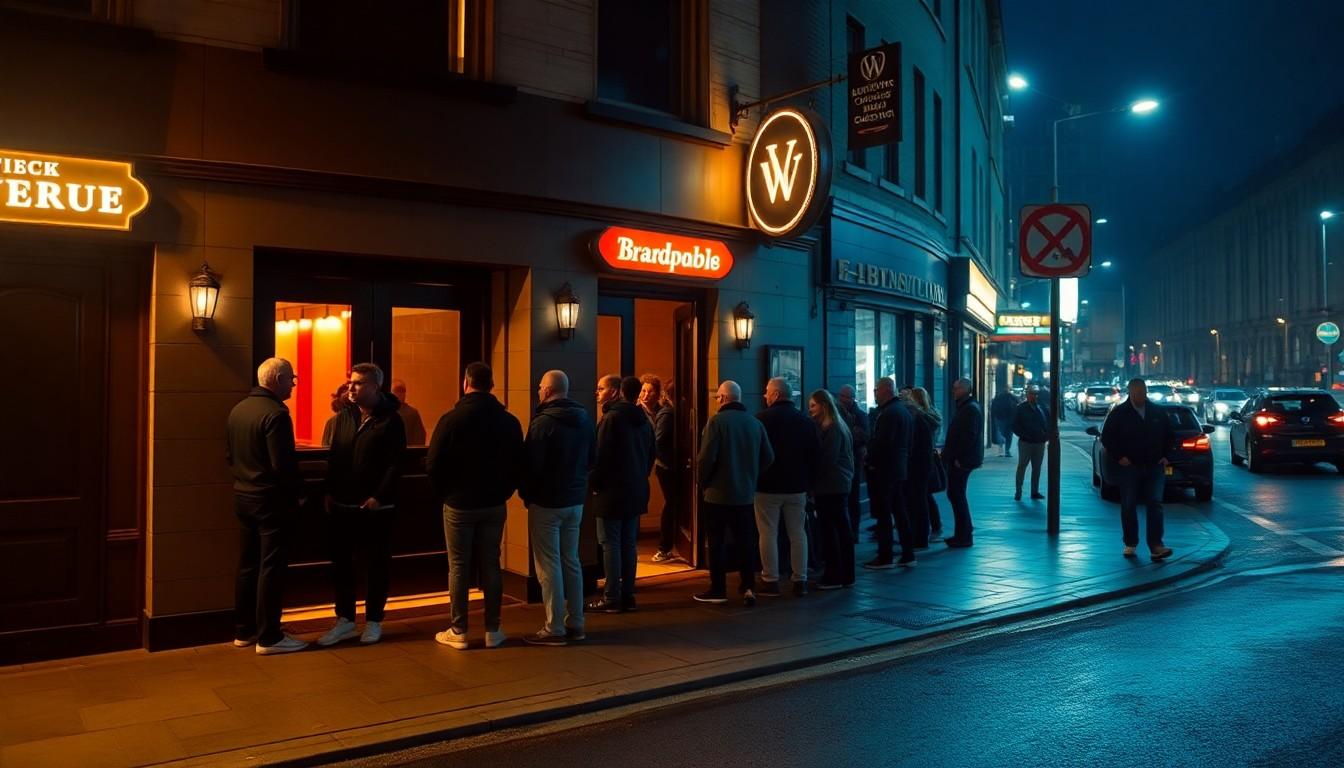
Shoppers are turning up the volume: Crave Her, a new Bristol techno night for sapphics and non-binary people, has sold out since launch, creating a safe, euphoric space where queer women can rave without the low hum of being watched. Founders Phoebe and Lydia self-funded the nights and are already planning bigger, phone-free events.
Essential Takeaways
- Sold-out success: Crave Her has sold out multiple nights, signalling strong demand for sapphic-focused club spaces.
- Community-built: Founders self-funded and leaned on local networks and courses to source DJs and promote the nights.
- Safe, sensory rave: The vibe is red-lit, immersive and deliberately curated for WLW and non-binary attendees.
- Ambitious plans: Future shows include larger, phone-free club takeovers and possible regional dates.
- Feels like belonging: Attendees report new friendships, first-rave experiences and a sense of freedom on the dancefloor.
A rave you can breathe in , the opening hook
Red light, loose limbs and that peculiar, communal euphoria: Crave Her isn’t just another night out, it’s a deliberate antidote to the feeling of being observed in mixed spaces. According to organisers and early attendees, the club’s atmosphere feels softer, more immediate , like someone has tuned the room specifically for sapphic presence and pleasure. That sensory detail is what’s helping the night sell out.
How two frustrated club-goers made something people actually wanted
This started as a repeated irritation between Phoebe and Lydia , the small but cumulative absence of women- and non-binary-centred dancefloors. They taught themselves events, did the nights on their own cash and pulled on community ties to get a lineup together. It’s worth noting how practical training fed the project: one founder used contacts from a female DJ course at Pirate Studios to bring new talent to the decks. So this is grassroots, not venture-backed, and that DIY element shows in the warmth.
Why the city needed it , context in Bristol’s nightlife scene
Bristol has always had a reputation for genre-hopping, bass-heavy nights and tight-knit scenes, but a sapphic-only rave was a missing tile. Crave Her plugs that gap by offering a place where the usual background labour , watching your back, moderating behaviour, navigating male-dominated spaces , can pause. Industry listings and local venues have started tracking the event as part of the city’s evolving queer nightlife map, and organisers say requests are already coming from other cities wanting the same template.
Practical things to know before you go
Expect sold-out rooms and strong vibes. The founders are careful about capacity and safety, and plans for future nights include higher-capacity, phone-free spaces that let people be present. If you’re thinking of going, pick a ticket early, bring cash for merch or bar, and be ready to meet people: attendees often swap numbers mid-set and turn strangers into pub mates by morning. For DJs and creatives wanting to collaborate, the organisers have signalled openness to residencies and festival stages, so reaching out via venue listings is a sensible first step.
Where Crave Her could go next , growth without losing soul
Phoebe and Lydia are balancing expansion with careful curation. They’ve talked about club-within-a-club takeovers, radio residencies and festival sets, but they’re conscious scale shouldn’t dilute the original safe-space promise. As they map out Manchester, Newcastle or larger venues, the challenge will be keeping the close-knit, supportive atmosphere that made the first nights special. For now, the inbox full of requests shows there’s appetite for more nights like this, and that’s an encouraging sign for queer nightlife nationally.
It's a small change that can make every rave feel like a safe home for sapphics.
Source Reference Map
Story idea inspired by: [1]
Sources by paragraph: