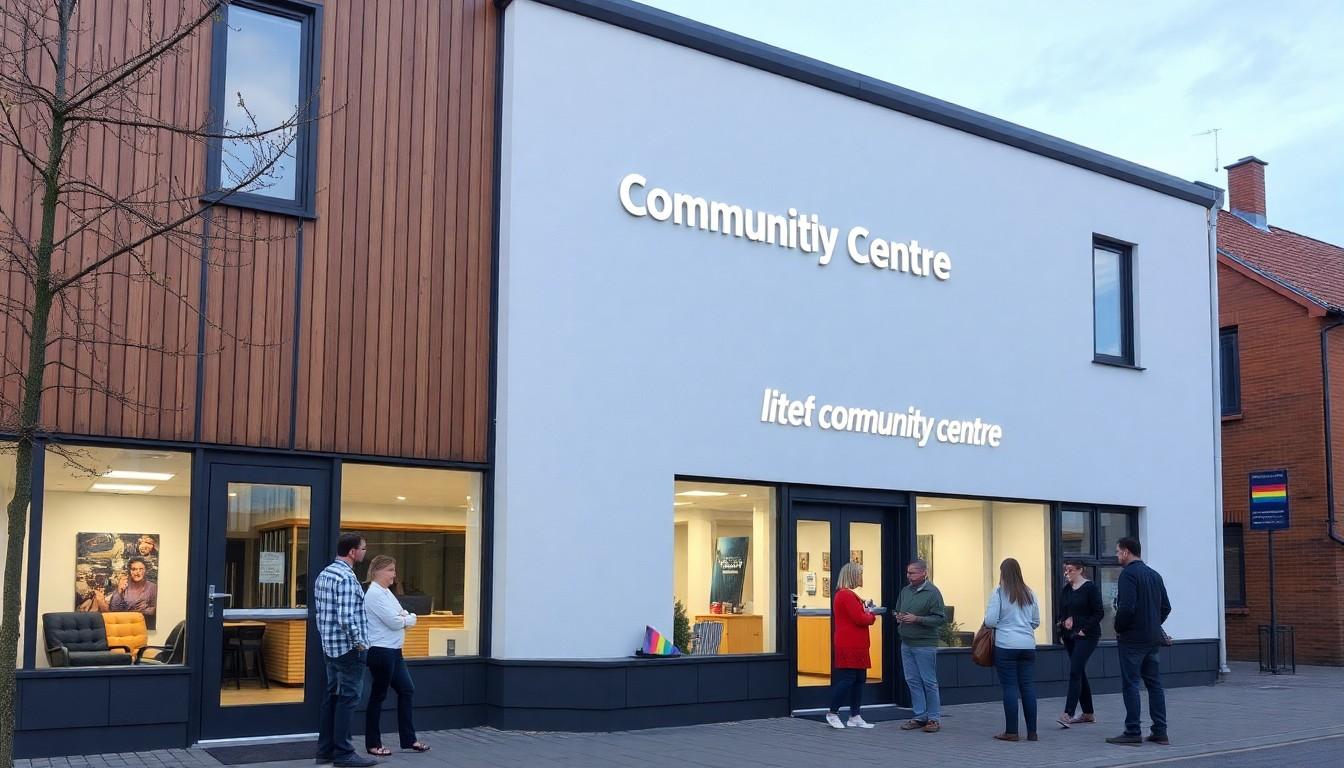
Shoppers, neighbours and families are discovering that Pride in Värmland is more than a parade , it's a year‑round network of meetings, mutual support and grassroots activism that keeps people safe, seen and connected all through the year.
Essential Takeaways
- Year‑round meeting places: RFSL Värmland runs weekly and monthly gatherings , Wednesday socials, senior meetups, trans and poly groups , offering steady, low‑key support.
- Wide reach: Local sister groups in Arvika and Kristinehamn mean people can find safe spaces even if they can't attend events in their hometown.
- Volunteer reliance: Local Pride and RFSL depend on volunteers, and rising time pressures and hostility make recruitment tougher.
- Worrying attitude shift: Surveys show an increase in homophobic attitudes among youth, highlighting why visibility and education still matter.
- Practical access: Newcomer and asylum support and advice services mean Pride networks often provide direct help beyond parties and protests.
Why Pride needs to be a year‑round presence
Pride is most visible in parades and festivals, but the quiet work happens on weeknights in community rooms and cafés where people come to be themselves, chat and connect. RFSL Värmland’s Wednesday gatherings have a familiar, comforting rhythm , a soft contrast to the bright, loud days of a festival , and they matter because belonging is social and steady, not just celebratory. For someone unsure about coming out or seeking peer support, knowing there’s a weekly meet‑up can feel like a lifeline.
Community organisers tell a familiar backstory: festivals raise a flag, but everyday meetings build resilience. That’s why local branches in smaller towns are important , they let people travel to another city if home feels risky. If you’re choosing which groups to attend, look for regularity and clear safety guidelines; predictability helps nervous first‑timers feel brave enough to show up.
How changing attitudes are shaping volunteer work
It’s uncomfortable reading that homophobic attitudes have become more common among young people compared with a decade ago, and volunteers notice the shift. That hardening of society coincides with people saying they have less spare time, which makes sustaining boards, outreach and mentoring harder. Organisations like RFSL rely on unpaid energy to staff activities, maintain meeting spaces and run outreach; when volunteers thin out, so do the services.
That means joining a committee or offering even a few hours can have outsized impact. If you’ve got limited time, ask groups about micro‑volunteering , hosting one event, helping with publicity, or offering transport to newcomers are practical ways to plug gaps without burning out.
What local services actually do: from social to practical help
Beyond coffee and conversation, RFSL networks in Värmland run targeted activities , senior meet‑ups that tackle later‑life isolation, trans groups focused on healthcare navigation, and newcomer sessions that help migrants and asylum seekers understand local systems. These services are practical and often quietly lifesaving: advice on healthcare, legal rights or simply how to find a safe GP can change outcomes.
If you’re supporting someone new to town, bring them to a newcomer session or share signposting info. Groups usually publish timetables and membership options online, and membership can be a small, powerful way to sustain services.
Festivals, visibility and why both matter
Festivals remain vital for visibility, celebration and political messaging, but they’re only part of the ecosystem. A celebration brings people together; community work makes sure the celebration isn’t a one‑off. Pride events help remind the public of rights won and rights still to fight for, especially as extremist and online hate can reach younger people early. Visibility combats isolation, while local meetings offer the follow‑up , counselling, peer support and practical help.
If you’re planning to support Pride, consider donating to local branches or sponsoring a specific activity rather than only attending big events. Local sponsorship often targets practical needs like venue hire or transport vouchers for those who can’t otherwise attend.
How to pick and back the right local group
Start practical: check a group’s calendar, what meetings exist and how often they run. Look for transparency on safety, volunteer expectations and how funds are spent. If you can’t commit to regular volunteering, small donations, helping with publicity or offering a one‑off skill (bookkeeping, proofreading, web help) will still be welcomed.
Remember, joining a community can be as simple as attending one weekly meeting. Bring a friend, ask organisers about first‑time attendee support, and trust your instincts about safety. Your presence is both a practical contribution and a vote for a kinder local culture.
It’s a small change that can make every meeting and every parade safer and more meaningful.
Source Reference Map
Story idea inspired by: [1]
Sources by paragraph: