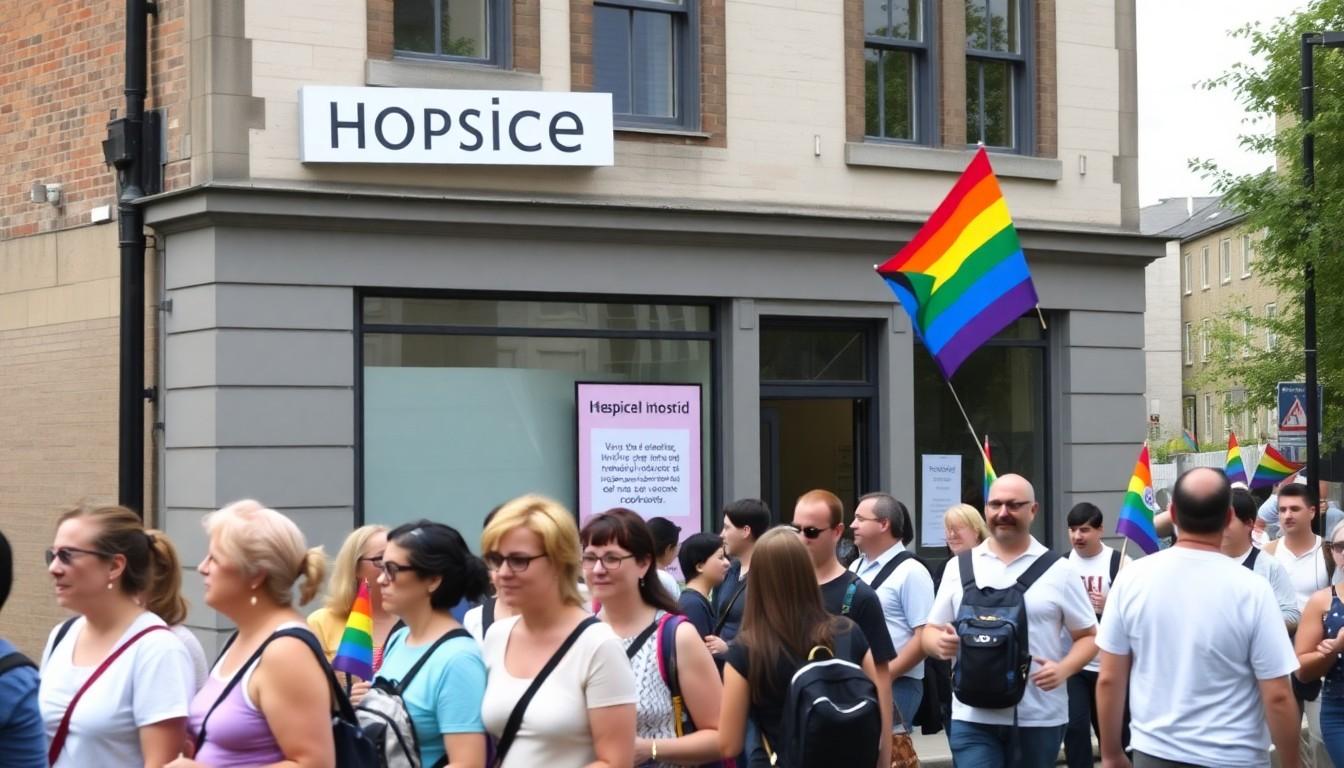
Celebrate, march and learn , Moya Cole Hospice is joining Manchester Pride, bringing staff, volunteers and lived experience together to show solidarity, raise awareness and welcome everyone. If you’re heading to the parade, here’s why their presence matters and how you can get involved.
Essential Takeaways
- Who’s marching: Moya Cole Hospice staff, volunteers and community supporters will join Manchester Pride to celebrate LGBTQ+ inclusion and visibility locally.
- Personal story: A hospice team member openly shares their journey as a trans man, highlighting workplace acceptance and the power of representation.
- Services on show: The hospice offers a range of care and support services, from clinical care to community outreach, that benefit people across identities.
- How to support: Attend the parade, donate, volunteer, or learn about hospice services , easy ways to show solidarity and help sustain local care.
- Atmosphere to expect: Friendly, compassionate presence with a focus on dignity and respect; a quiet, proud statement rather than a noisy commercial float.
Why Moya Cole Hospice marching matters this Pride
The biggest fact up front is simple: Moya Cole Hospice will be in the parade, and that visibility is powerful. Seeing a healthcare charity walk proudly in Manchester Pride sends a message that people receiving palliative or community care can also be part of joyful, visible queer life. Their banner will feel warm and human rather than corporate , the kind of presence that says, “We’re here for you.”
Hospice staff sharing lived experience changes how people think about care. According to the hospice’s own updates, team members have been open about identity and transition, and that honesty helps dismantle stigma. For anyone who’s ever worried about being seen as “too much” for health services, that matters.
If you want a practical takeaway: walking with Moya Cole is a way to make Pride about community health as well as celebration. It’s a reminder that inclusion should be part of local services year-round, not just for a weekend.
A personal journey that illustrates workplace acceptance
One team member’s story , they came out as a trans man after years of questioning and described workplace reaction as overwhelmingly positive , gives the parade a human heart. They talk about changing their name, starting medical transition, and finding colleagues who accepted each version of them along the way. That kind of testimony resonates; it’s quietly joyful and surprisingly relatable.
Hospices aren’t often the first places people think of when they picture LGBTQ+ visibility, but this story shows how health and care spaces can also be sites of affirmation. For readers, the practical insight here is to look for workplaces that prioritise dignity and accommodation , and to support those that do.
What Moya Cole offers beyond the parade
Moya Cole’s presence at Pride ties back to a broader service offer: the hospice runs clinical care, community programmes and support services designed to help people live well with life-limiting illness. Their new hospice project and ongoing outreach aim to be accessible and welcoming to diverse communities, which includes LGBTQ+ people of all ages.
If you’re curious or concerned about how hospices serve queer people, this is a good moment to learn more. Visit their website or chat with volunteers at the parade to find out about bereavement support, day services and community work , practical ways the charity helps locally.
How you can join, help or learn at Manchester Pride
There are several low-effort, high-impact ways to support: turn up to applaud the parade, walk with the hospice if spaces are available, donate online, or sign up to volunteer later in the year. Even a conversation with a volunteer at the stall helps spread awareness.
If you plan to march, think practical: wear comfortable shoes, bring water, and wear a sun hat or waterproofs depending on the day. If you want to connect afterwards, ask about volunteering roles that match your skills , hospices often need helpers for events, fundraising and companionship visits.
Looking ahead: visibility, care and community
Moya Cole Hospice’s decision to march is both celebratory and strategic. Visibility at Pride signals a commitment to inclusion and encourages other health services to reflect on how they welcome queer patients and staff. It’s a small act that can change perceptions and invite people to access support without fear.
The vibe you’ll likely get on the day is gentle pride: proud, compassionate, and quietly assertive that care belongs to everyone.
It’s a small change that can make every visit, every conversation and every service feel more inclusive.
Source Reference Map
Story idea inspired by: [1]
Sources by paragraph: