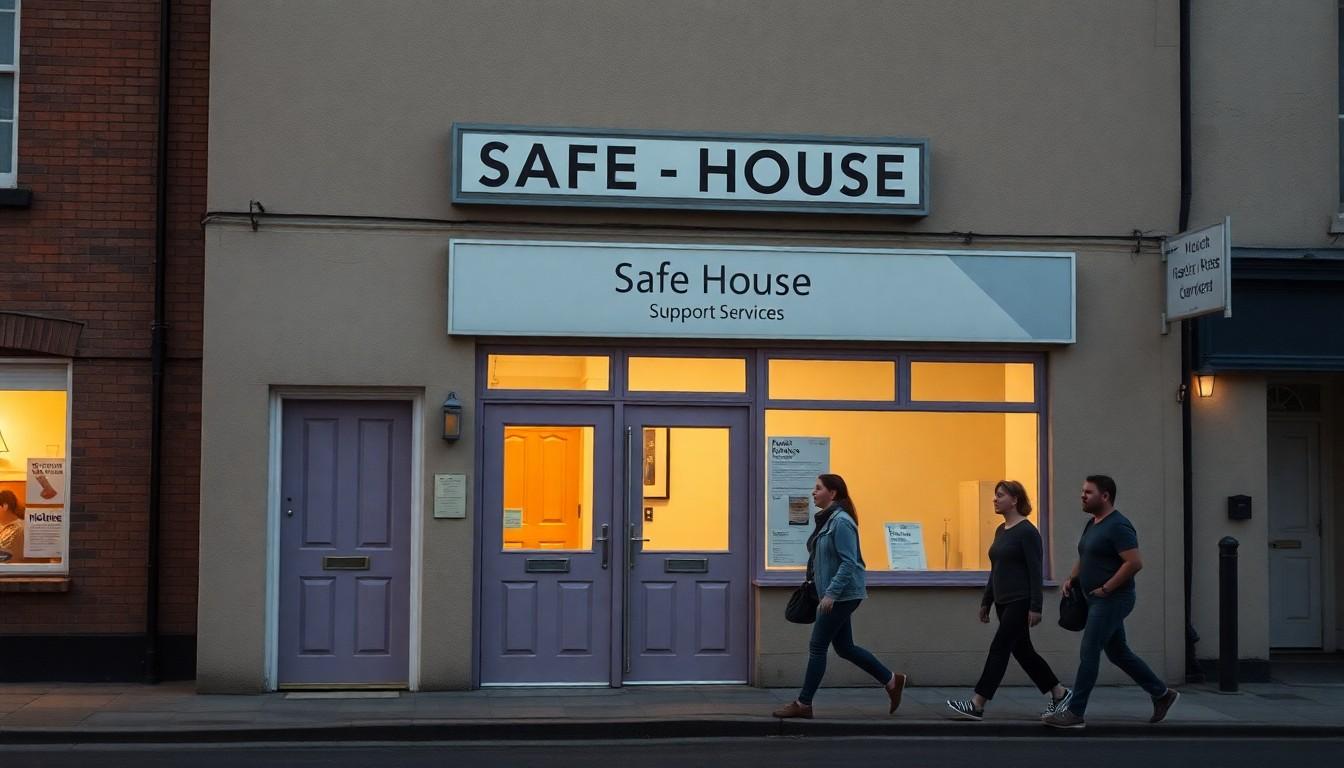
Shoppers may see the flags come down, but investors and funders are being urged to keep the work alive. Social enterprises and social investment are offering a route from seasonal visibility to sustainable support for LGBTQI communities across the UK and beyond.
Essential Takeaways
- Funding gap: Only a tiny slice of charitable income reaches LGBTQI organisations, leaving services fragile and patchy.
- Real-world scale-up: Micro Rainbow raised significant social investment to expand safe housing for LGBTQI people seeking asylum, showing capital can drive impact.
- Diverse models: LGBTQI-led social enterprises are proving commercial routes exist , from specialist housing to media , with income-generation and mission intact.
- Investor action: New entrants to social investment signal untapped appetite; many orgs still need investment‑readiness support to be fundable.
Why Pride’s flags don’t solve structural problems
The visual punch of rainbow banners gives a comforting, hopeful hum , but it’s fleeting and often cosmetic. Reports from human rights organisations show persecution and criminalisation remain deadly realities in many countries, and even in supposedly progressive places visibility can attract violent backlash. That means Pride needs to feed into institutions and services that last, not only moments of celebration. Think of parades as the drumroll; the work that follows is where lives are actually protected.
The resilience gap: shrinking resources when threats grow
At the exact moment anti-rights movements are getting more organised, funding for LGBTQI services has become precarious. Investigations and sector research reveal corporate donations and sponsorships are wavering, while demand for support , from mental health to specialist housing , keeps rising. The result is a resilience gap: organisations running on thin grants can’t plan long-term, and impact stops the minute funding dries up. That’s why financial stability matters as much as visibility.
Micro Rainbow’s route from charity to investment-ready social enterprise
Micro Rainbow’s recent fundraising shows an alternative path. By structuring for social investment, they’ve attracted significant capital to scale specialist safe houses for LGBTQI people seeking asylum, turning short-term shelter into a plan aimed at ending homelessness in this group by 2030. Their journey highlights practical lessons: build measurable outcomes, show a route to sustainable income, and be ready to accept non-grant capital that expects accountability and growth. For similar groups, the message is clear , investment can be practical, not just ideological.
What other LGBTQI social enterprises are doing differently
Across the UK, organisations are inventing viable business models that carry mission and income together. Some create specialist housing for older LGBTQI people, others run commercially successful media platforms that fund community work, and some sell services tied to inclusion and wellbeing. These examples show social enterprise can plug gaps left by shrinking public services, while offering autonomy from fickle corporate sponsorship. If you want impact that lasts, look for models that mix trading income with measurable social outcomes.
How investors and funders can turn Pride’s momentum into lasting change
New investors joining a recent social investment round demonstrates appetite, but many organisations lack the coaching, legal help and financial planning to become investment-ready. Funders can do more than write cheques: provide capacity-building, underwrite early risk, and champion LGBTQI opportunities in mainstream impact portfolios. Investors should actively seek these deals, because well-structured social investments can deliver both measurable social returns and stronger organisational durability.
What you can do next , practical steps for different actors
If you’re an investor, scan the social enterprise space for LGBTQI-led opportunities and ask for impact metrics tied to outcomes, not optics. If you fund, prioritise investment-readiness programmes and multi-year commitments rather than one-off sponsorships. If you run a charity or social enterprise, crystallise your impact story, diversify income, and get expert help to model sustainable growth. Small shifts in practice add up: the flags may come down, but the structures you help build can keep people safe.
It's a small change that can make every Pride last longer than a weekend.
Source Reference Map
Story idea inspired by: [1]
Sources by paragraph: