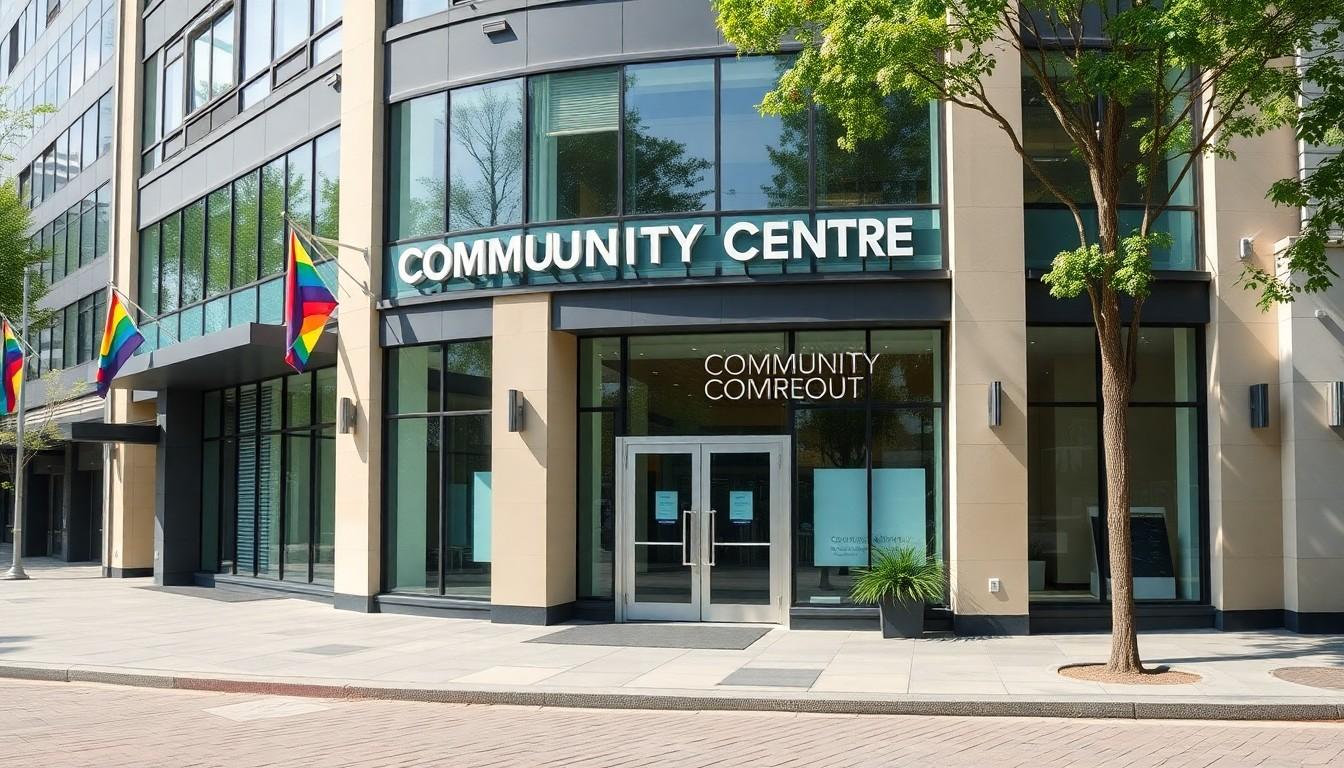
Watch how intergenerational connections are reshaping queer lives in Toronto: Dane Bland, 33, recalls growing up with two queer mothers, finding safety in Church and Wellesley and The 519, and now urging others to share memories for the centre’s 50th-anniversary story collection because every ordinary-sounding story matters.
- Family as classroom: Dane Bland credits having two queer mothers with giving him early, visible examples of queer life and relationships.
- Safe first coming out: Bland’s first coming-out moment was calm and accepted, a reflection of a household already comfortable with queerness.
- Village roots: Church and Wellesley, drag, theatre and The 519 offered practical spaces to explore identity , lively, messy and affirming.
- 50th anniversary call: The 519 is collecting written stories, photos and video profiles; Bland urges people to share even small memories.
- Why it matters: Stories stitch personal experience into living queer history , emotional, political and surprisingly ordinary.
A calm coming-out, because queer life was already visible
Dane Bland’s first coming-out felt less like a crisis and more like a conversation because he’d been watching queer life at home for years. He realised his attraction to men at 13 while staying with his father, phoned his mum the next morning and found someone who already expected and accepted that truth. That soft landing matters: it changes how you carry shame, curiosity and confidence through your teens. For many queer young people there isn’t that model, which makes Bland’s upbringing feel like a small privilege with big consequences.
Two queer mothers as living archives
Bland’s mother, Normanne, and stepmother, Maureen, weren’t just parents , they were queer elders in the house. Maureen’s ties to Church and Wellesley and the decades she’d lived through gave Bland a direct line to stories most teenagers only read about. It’s one thing to learn history from a textbook; it’s another to hear it over dinner, to see who survives and who keeps loving. That intergenerational proximity quietly teaches resilience, vocabulary and the idea that queer life can be ordinary and thriving.
The Village and The 519: real places that teach identity
For Bland, identity was not only formed at home but in places: the Church and Wellesley Village, drag rooms, queer-affirming religious gatherings and The 519 community centre. These locations offer textures you can’t replicate online , the smell of coffee at a brunch, the nervous buzz before a performance, the way a community centre’s bulletin board maps possible futures. The 519’s programming and the now-closed haunts Bland remembers helped him practise being out, perform identity, and belong. If you’re helping a young person find themselves, point them to places where histories are lived, not just taught.
Why The 519’s 50th story collection is more than nostalgia
The 519 is turning 50 and is inviting people to submit written memories, photos or video profiles. Bland’s own contribution began as a small piece , voting for the first time at The 519, marching in Pride with his mums , but he says that ordinary moments add up into the fabric of queer history. This collection isn’t about curating only the dramatic or heroic; it’s about the accumulation of everyday lives that made the centre what it is. According to The 519’s materials, submissions can capture anything from a fragment to a life-changing event, which makes it a low-bar, high-value invitation for anyone who’s ever used the space.
How to share a story that feels “too small”
Bland hears lots of people say their story is boring. He begs to differ. Start with a moment: a first vote, a brunch, the first time you felt recognised. Keep it short, include a photo if you have one, or record a minute on your phone. The 519 accepts written entries, photos and video profiles , small, simple contributions breathe life into institutional memory. And if you’re helping a young person, encourage them to document the ordinary; that’s often the most generationally revealing material.
Looking back to move forward
Queer elders show how much has changed and what has remained: protest, mourning, joy and stubborn love still coexist. Bland’s upbringing shows that practical visibility , parents who model a life , can be as powerful as marches or policy wins. As The 519 celebrates five decades, it’s worth remembering that history lives in people more than dates, and that everyone’s modest memory can help the next generation feel less alone.
It’s a small act to share a memory, but it can make every queer life feel part of something larger.
Source Reference Map
Story idea inspired by: [1]
Sources by paragraph: