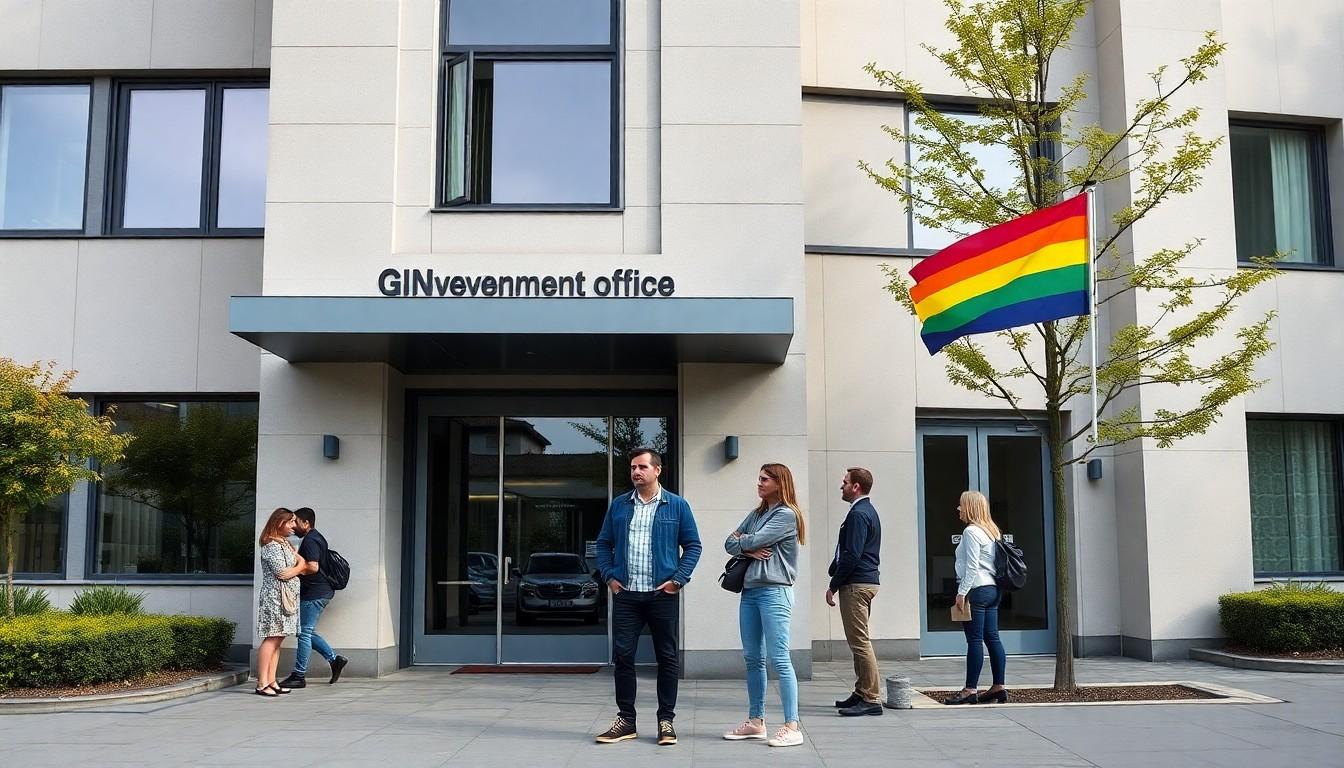
Shaken but determined, politicians and activists in Berlin and at federal level are pushing for stronger safeguards for queer people after the July CSD attack , from criminal-law changes to local support networks , because safety, dignity and visible presence matter across Germany.
Essential Takeaways
- New constitutional push: Federal Justice Minister Stefanie Hubig is calling to add an explicit ban on discrimination for sexual identity to the Basic Law.
- Concrete measures planned: Ideas include adding queer people to the Victims’ Protection Act, tougher prosecution of hate crimes, and funded queer counselling.
- Local to national: Berlin will expand successful city programmes and aims to have those approaches adopted nationwide.
- Policing and prevention: Authorities plan dedicated contact officers at police departments and strengthened queer education and youth work.
- Human cost: The July attack at the CSD left one person dead and dozens injured, sharpening calls for action.
Why the CSD attack forced a rethink on queer safety
The July attack in the Tiergarten was a raw, visible reminder that public pride and everyday life can be targets, and it left a quiet, heavy anger in its wake. According to reports, a 21‑year‑old attacker used a van and a bladed weapon, killing one person and injuring many more, before being shot by police. That violence has refocused attention on concrete protections rather than abstract solidarity.
Politicians met with queer community representatives soon after, and Berlin’s senator for anti‑discrimination stressed the need for safety "everywhere in Germany." The mood is practical rather than performative: people want services, prosecutions and prevention that actually change day‑to‑day security.
A constitutional change , what it would mean in practice
Stefanie Hubig has proposed explicitly banning discrimination on the basis of sexual identity in the Basic Law. That’s more than symbolism: constitutional recognition would strengthen grounds for legal claims and shape legislation and courts for decades. It would also send a clear message about the state’s obligations.
Constitutional amendments are heavy political lifts, so meanwhile the focus is on fast, tangible moves , extending victims’ protections, clarifying hate‑crime categories and ensuring police can pursue queer‑motivated offences more effectively. For survivors, that combination of recognition and practical redress is what counts.
From Berlin pilot projects to a national blueprint
Berlin officials say the city already has useful structures , from local counselling networks to dedicated police liaison officers , and they want to scale those up. The plan is to listen closely to queer groups about where gaps remain, then turn successful local measures into model policies other states can copy.
That approach matters because queer communities are diverse: needs in a big city differ from those in small towns. Strengthening queer education and youth work, for instance, helps prevent hostility early and gives young people safer spaces to explore identity.
Tougher law enforcement and reliable support services
A recurring demand is clearer, tougher prosecution of queer‑motivated crimes and better victim support. Proposals include putting queer people explicitly under the remit of the Victims’ Protection Act, boosting funding for counselling organisations, and appointing full‑time contact persons in every police force.
These measures help in two ways: they make reporting feel safer and they improve the likelihood of successful investigations. As activists note, consistent funding and trained, approachable staff are what turn policies into trust.
What this means for everyday life and community resilience
On the ground, people want to feel safe on the streets, at work, in schools and at events like CSD , not just on paper. Strengthening education, youth work and local advice services builds resilience long term, while legal and policing reforms offer immediate protection.
The coming months will show whether promises turn into budgets, legislation and trained personnel. For queer people and allies, the hope is that this moment leads to durable, practical change rather than short‑lived attention.
It's a small change in law and policy that can make every public moment safer and more open.
Source Reference Map
Story idea inspired by: [1]
Sources by paragraph: