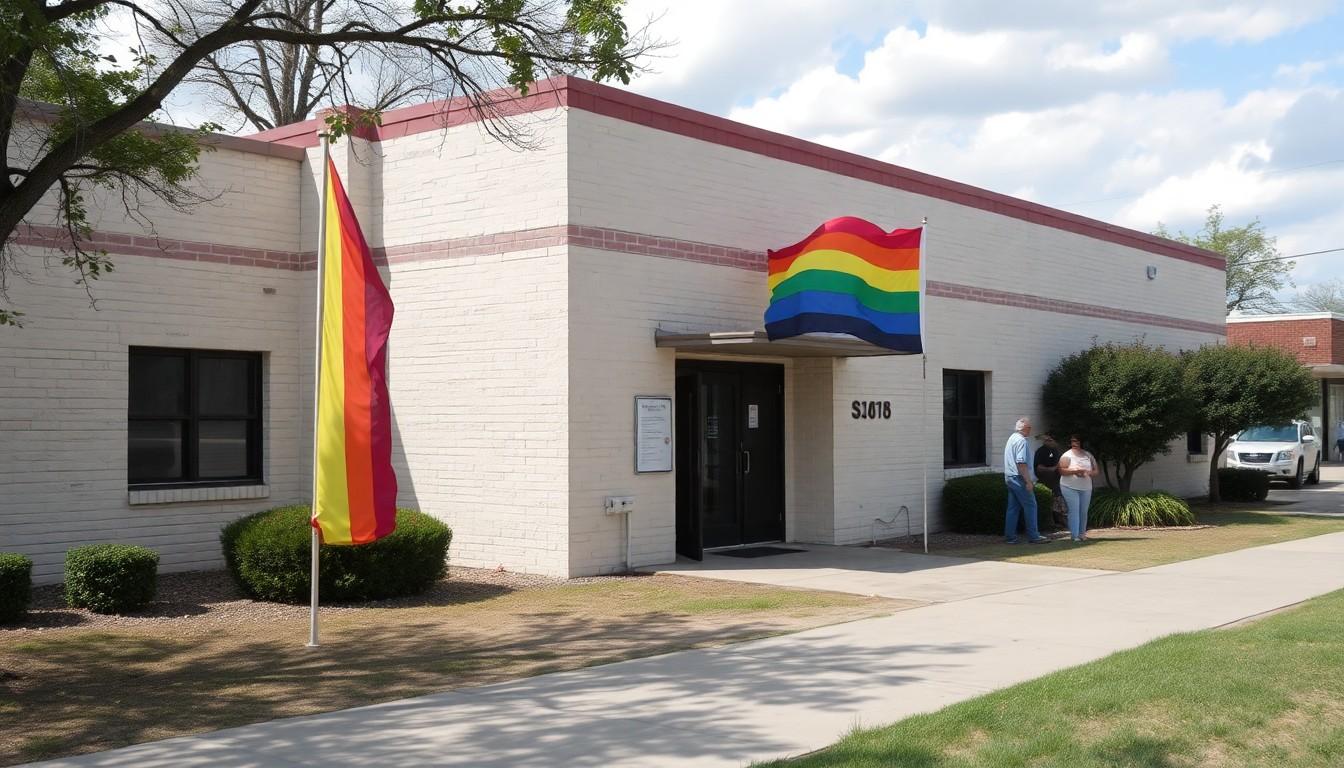
Remembering the small-town fights that changed HIV activism: ordinary people in Shreveport took on hospitals, churches and city halls, and their victories still shape healthcare and community memory , a timely reminder that local activism can rewrite national policy.
Essential Takeaways
- Local courage: ACT UP Shreveport members were teachers, nurses, ministers and neighbours who risked jobs and safety to demand dignity for people with HIV.
- Quiet victories: Wins came in humane care and institutional changes, not just headlines , clinics and community groups persisted.
- Lasting influence: Reforms in patient involvement and research access shaped treatments for HIV and later areas like cancer trials.
- Memory matters: Preserving these stories prevents the false idea that change only starts in big cities; oral histories keep lessons alive.
- Practical note: If you’re researching local activism, start with community archives, oral interviews and surviving institutions for the richest detail.
A different picture of ACT UP , gritty, local and deeply personal
The images most of us know of ACT UP are bold and public, but the movement also played out in quieter, riskier places where cameras rarely rolled. According to reporting in local and national outlets, Shreveport’s activists organised in church basements, clinics and living rooms, with a texture that felt intimate and urgent. You can almost hear the hum of a community meeting and feel the tension of someone deciding to speak up, even knowing it could cost them a job or family ties.
That personal scale mattered. While New York protests shifted national attention, it was the people in towns like Shreveport who forced hospitals and local officials to change day-to-day practices. For anyone puzzled by how policy moves from headline to bedside, this is the missing link: persistent local pressure applied by neighbours and patients.
How small acts led to concrete healthcare changes
Local campaigns in Shreveport focused on access to care, compassionate treatment and the right to be involved in research and trial design. Industry and health historians note that ACT UP’s insistence on patient voices reshaped how clinical trials and approval processes considered participants’ needs. That legacy reverberates beyond HIV , from cancer research to long-term condition advocacy , because it normalised the idea that patients should have a seat at the table.
If you’re evaluating organisations or clinics today, look for signs of that shift: patient advisory boards, transparent trial information and services that treat dignity as a baseline, not a bonus.
Why preserving these stories is urgent now
Many of the first-hand witnesses are ageing or gone, and their recollections risk slipping away. Oral history projects and local community archives are lifesavers here; they turn memory into a resource for future activists, researchers and policymakers. As one writer observed while researching this chapter of LGBTQ+ history, history survives only when someone chooses to remember it.
For activists or journalists wanting to help, practical steps include recording interviews, donating documents to regional archives and partnering with community organisations that already serve the population.
Lessons for today’s fights over healthcare and visibility
The core questions raised by ACT UP , who deserves healthcare, whose voices are heard, whose lives we protect , haven’t faded. Contemporary debates around access, discrimination and public health echo the same dilemmas. Local activism provides both a moral playbook and a tactical one: small-scale pressure can force institutional change when national politics lag.
So if you care about reforms now, take a tip from Shreveport: start locally, name the harms clearly, and recruit the people most affected into leadership roles.
How to explore this local history yourself
Begin with community organisations and regional histories; local papers and advocacy groups often hold the most intimate accounts. Teen Vogue and other outlets have useful overviews of ACT UP’s broader tactics, while Louisiana-focused archives and community resources map how those tactics were adapted to the Deep South. Attend commemorative events, support oral-history projects, and if possible, ask to help preserve materials , that’s where the real teaching lives.
Dip in with curiosity and respect; these are stories of loss and courage, and they repay careful listening.
It's a small, steady work , remembering well so action today has a firmer foundation.
Source Reference Map
Story idea inspired by: [1]
Sources by paragraph: