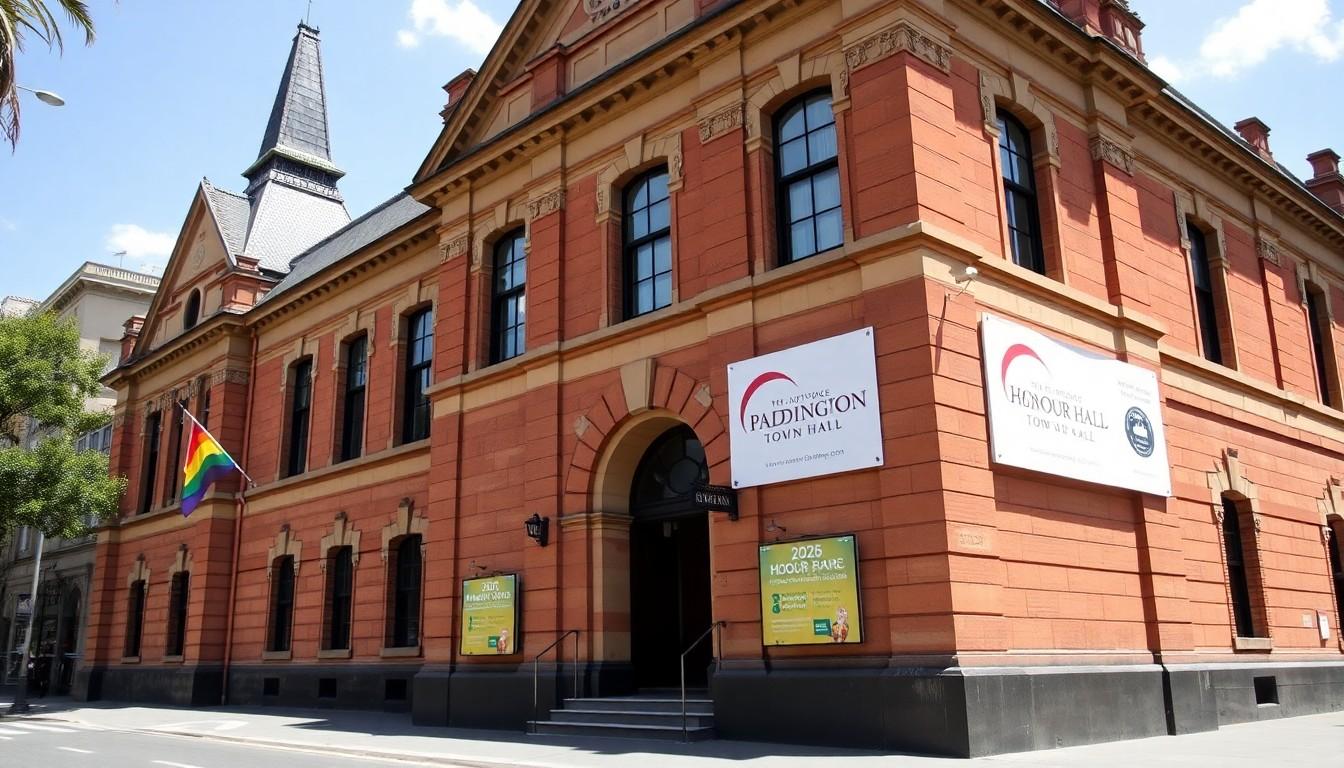
Shine a light , the 2026 Honour Awards finalists have been unveiled, celebrating community heroes, grassroots groups and creative voices across New South Wales, and showing why local activism still matters in tough times. Read on for the standouts, what they do and why their work matters to queer communities across the state.
Essential Takeaways
- Event details: Winners announced Thursday 8 October at Paddington Town Hall; tickets from the Honour Awards site, affordable and community-focused.
- Range of finalists: Individuals, volunteer teams and organisations span rights work, health, arts, sport and asylum seeker support , from veteran advocates to emerging young leaders.
- On-the-ground impact: Finalists deliver practical services , counselling sessions, crisis housing, peer support groups and community sports , often described as lifesaving by those they help.
- Diverse representation: The list includes trans and gender-diverse services, regional initiatives, culturally specific projects and businesses that fundraise and advocate for the sector.
- Emotional tone: Many finalists combine practical skill with warmth , think reassuring counselling voices, raucous drag fundraisers and steady legal reformers.
Who’s being honoured this year , the headline names and why they matter
The shortlist reads like a community who’ve quietly rebuilt support networks where government and services sometimes fall short. Ashley Scott, for instance, turned a small Rainbow Families network into a national charity that’s changed IVF rebates and surrogacy recognition , that’s policy with direct family outcomes, and it feels tangible when you meet the parents it helps. Meanwhile Katie Green at the Inner City Legal Centre has been pushing structural legal change with a “Blueprint for Equality” approach that policymakers are actually using.
Backstory matters here: many finalists are people who started with lived experience and turned it into infrastructure. That’s the Honour Awards at work , recognising those grassroots pivots from survival to service. If you want a practical takeaway, follow finalists who combine advocacy and direct services; they’re the ones shaping everyday access.
Community organisations doing the heavy lifting , refuge, social connection and regional reach
Organisations on the list range from established bodies to recent grassroots projects. The Gender Centre remains a long-standing refuge, offering thousands of counselling sessions and crisis beds each year, while The Mound in the Illawarra shows how quickly volunteer-led spaces can become essential regional hubs. Walk On Walk Strong supports LGBTQIA+ asylum seekers and refugees with trauma-informed peer programs , practical, quietly powerful work that helps people rebuild lives.
The trend is clear: community-first models that prioritise relationships over revenue win trust. If you’re choosing where to donate or volunteer, look for services delivering both emotional support and practical outcomes, such as housing help or legal assistance.
Volunteers and young leaders , the energy that keeps community alive
The volunteer finalists are a reminder that community care is often unpaid and relentless. Cassandra Armstrong’s national work supporting trans and gender-diverse kids is volunteer-led but professional in its output, and Tamworth Pride’s William Weller shows how regional organisers turn limited resources into broad local impact. Young achievers like Dan Davis are reshaping systems , his Identity Plan for children in out-of-home care is the sort of idea that can change futures rather than just moments.
A quick tip for supporters: small acts , showing up at regional events, mentoring a young volunteer or buying a ticket to the awards , amplify this unpaid labour in meaningful ways.
Creativity, culture and visibility , arts and media finalists pushing representation
From Kat Dopper’s Heaps Gay events that turn public space into joyful safe zones, to Under the Brown Rainbow’s podcast lifting South Asian queer voices, the finalists show how culture builds belonging. Brunswick Picture House proves regional cinema can host bold queer programming, and Luka Musicki’s work with Bear World reframes who gets to be front and centre in queer media.
Cultural projects do more than entertain; they normalise difference and create routes into public conversation. If you’re curious where representation is expanding, follow projects that blend grassroots funding with ambitious programming , they’re often the ones producing lasting change.
Health, HIV response and sport , practical work with human stakes
Finalists in health and HIV categories highlight long-term commitment. John Rule’s decades of work in HIV research and peer involvement sit alongside HALC, the specialist legal centre defending people with HIV and hepatitis. On the wellbeing front, initiatives like Spectres Australia show sport provides belonging as much as exercise; they sent multiple teams to the Gay Games, a marker of organisational depth and community reach.
The practical insight here is obvious: whether it’s legal support, clinical training or community sport, investing in sustained programs matters far more than one-off interventions. These finalists are building systems people can rely on.
Business, hospitality and social enterprise , when profit supports purpose
The business finalists blend commerce with community: PlanetDwellers curates queer travel while lobbying for safer destinations, Chocolat Philippe mixes bean-to-bar craft with fundraising, and Bernie’s Bar in Newcastle fights to protect queer heritage in regional hospitality. Pink Media Group’s decade-long work connects brands with queer audiences, helping secure sponsorship that underwrites festivals and media.
If you run a small business and want to make a difference, these finalists offer a simple playbook , match your product to community needs and commit to ongoing support, not just one-off donations.
It's a small change that can make every contribution count.
Source Reference Map
Story idea inspired by: [1]
Sources by paragraph: