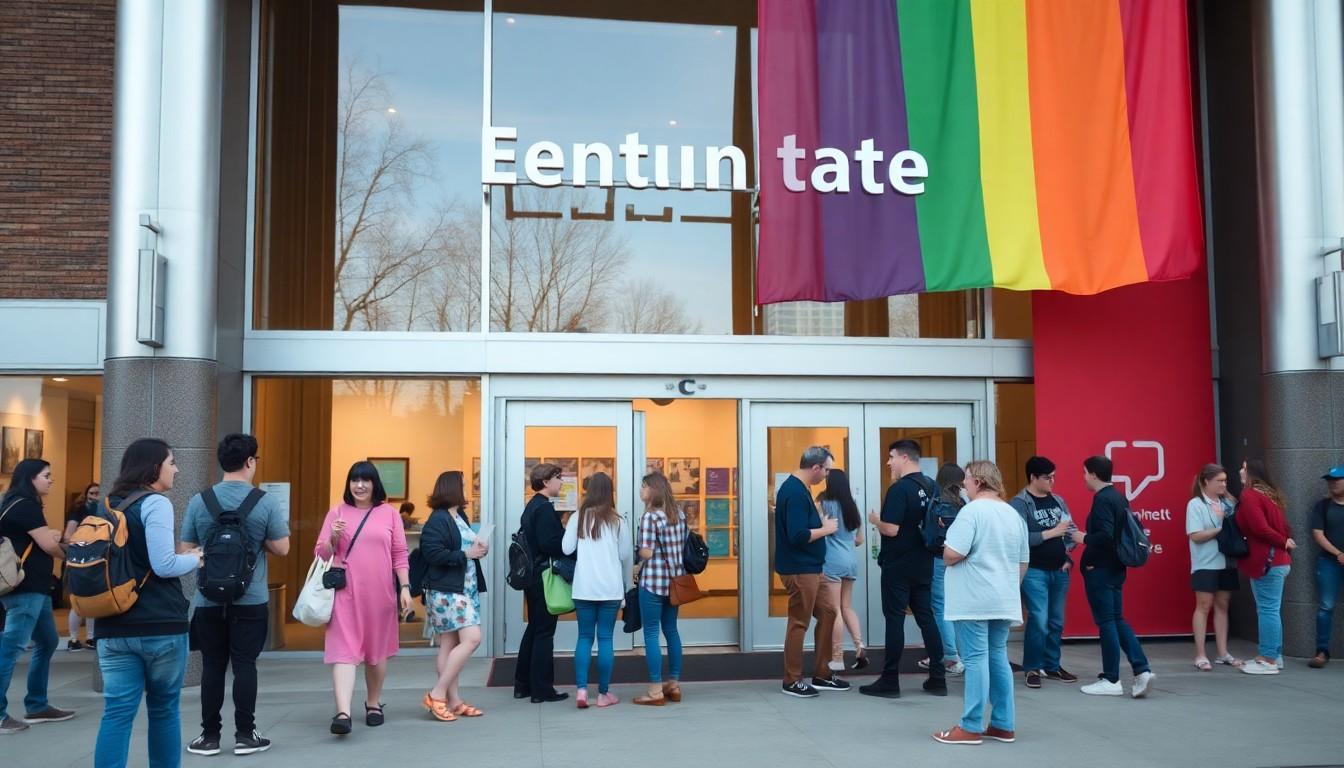
Shoppers are turning their heads as Edmonton’s Pride weekend ended with a visible police presence that some 2SLGBTQ+ groups say undermined safety, not bolstered it; organisers cite a bomb threat and precautionary steps, but the fallout shows trust and communication remain fragile.
Essential Takeaways
- What triggered it: Police say they investigated a bomb threat weeks earlier and increased visibility as a precaution while the threat was judged not credible.
- Community reaction: Several local 2SLGBTQ+ groups withdrew from Pride, citing lack of clear explanations and historical mistrust of policing.
- Organisers’ response: Pride executives apologised for poor communication, defended the decision to involve police and plan mediation talks this autumn.
- Emotional tone: The visible uniformed presence felt reassuring to some and retraumatising to others , it highlighted deep, unresolved tensions.
- Practical result: No attack was reported, but the controversy may change how future events balance safety and community trust.
Why police showed up more visibly , and what they said
Edmonton Police Service officials have been clear they received information about a bomb threat weeks before Pride and that their hate crime unit investigated, ultimately deeming the threat not credible. The most tangible result was not a surge in officers but a decision to be more visible along parade routes and at Churchill Square. That felt sensible to bystanders who like a steady, watchful presence; for many in the 2SLGBTQ+ community it landed differently, reviving old anxieties.
Context matters here. Organisers had already been nervous after recent hateful incidents at other Pride and cultural events in North America and Europe. So they asked for help , and police say they responded to those requests to make the march possible. The complexity is obvious: organisers want to keep people safe, but they also have to consider how visible policing looks and feels to their own communities.
Why some groups pulled out , history and communication failures
Several community groups, including well-known local collectives, chose to withdraw from the parade. Their complaints were as much about how the decision was communicated as the decision itself. Leaders said Pride didn't give specific enough information for them to feel secure or consulted, and that silence amplified distrust.
That reaction isn't new or isolated. According to reporting and community voices, the relationship between police and queer communities in Edmonton has been shaped by events like the 1981 Pisces bathhouse raid, a trauma still discussed in local memory. Even when police apologise or try to work differently, historical scars colour how protective measures are read.
What organisers admit , apology and the limits of disclosure
Edmonton Pride Festival executives apologised for leaving people wondering whether their safety was the priority. They defended collaborating with police, saying they were constrained in what they could disclose at the time for operational reasons. That combination , an apology plus a defence , is common in crisis communications, but it can ring hollow when stakeholders want specifics, not soundbites.
Organisers now plan a mediation forum for autumn that will include Queer groups, police and elected officials. That’s a sensible next step if it’s more than a box-ticking exercise: mediated conversations can rebuild trust only if they lead to clearer protocols, agreed communication lines and concrete alternatives to uniformed presence where appropriate.
Options for safer, less divisive events , practical ideas
There are ways to protect public events that don’t automatically centre uniformed officers. Some Pride organisations elsewhere use trained volunteer stewards, harm-reduction teams, rapid-response medics and discreet security contractors paired with visible community marshals. Another approach is tiered information sharing: tell participants basic safety facts publicly while giving more detailed briefings to participating groups under confidentiality where needed.
If you’re an organiser seeking balance, start by surveying participant groups ahead of time, explain decision-making transparently and offer opt-out or alternative safety measures. If you’re a community member, ask for clear timelines and a named liaison who can answer questions before the gates open.
What this means going forward , trust is the real security issue
No one wants violence at Pride, and the police say their actions were designed to keep people safe. But safety isn’t just about preventing attacks; it’s also about people feeling secure enough to be present without fear of being policed or retraumatised. The weekend’s fallout shows that operational precautions need to be paired with honest, inclusive communication and institutional learning.
Edmonton’s planned mediation could be a turning point if it yields new protocols and restored relationships. Otherwise, the same tensions may resurface at the next festival, and people will understandably keep asking whether visible security protects the community or alienates the very people it aims to shield.
It's a small change in planning but a big one for trust , and that matters more than any barricade.
Source Reference Map
Story idea inspired by: [1]
Sources by paragraph: