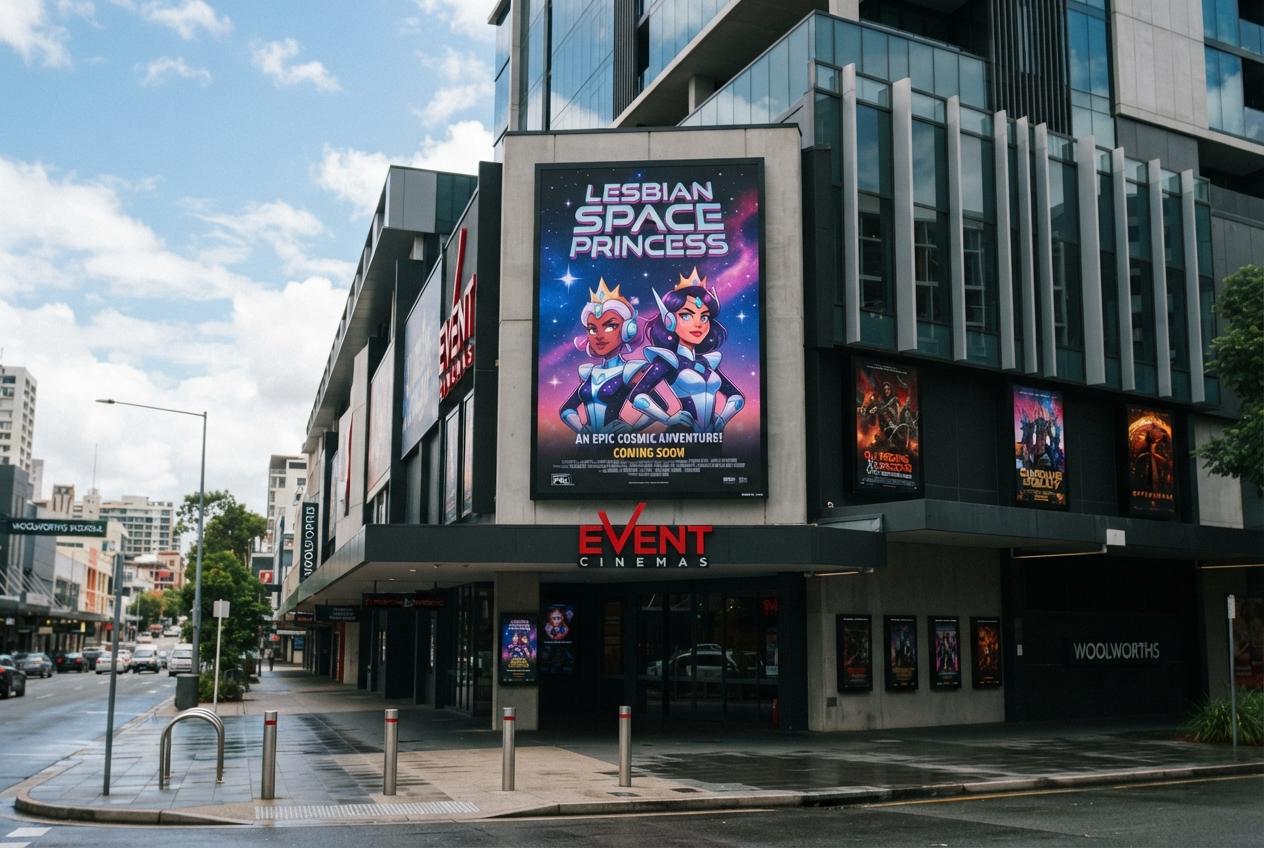
Shoppers are watching queer fandoms argue: Lesbian Space Princess has become the latest viral controversy, sparking heated debate about representation, symbols and whether a loudly gay animated romp can also be transphobic. Here’s a clear, friendly guide to the film, the scenes people clipped, and what viewers , trans and queer alike , are saying.
Essential Takeaways
- What the film is: Lesbian Space Princess is a loud, colourful animated comedy about Saira, a royal lesbian heroine on a space rescue mission, praised for its humour and heart.
- Key contentious scene: The labrys , a double‑headed axe tied to lesbian history , and a fight over it between Saira and a drag‑queen weapons collector are the clips driving accusations.
- Split reception: Critics and fans are divided; some call the film transphobic, while others point out explicit trans inclusion and context that challenge that reading.
- Creators’ intent: Filmmakers said they included the labrys intentionally to reclaim it for all lesbians, including trans women.
- How to watch it: If you care about representation, look for full context , the film’s runtime and characters beyond viral clips change the picture.
How the movie plays: loud colours, big jokes, and a DIY queer world
The opening hit is unabashed: Lesbian Space Princess wears its sapphic heart on its sleeve and its jokes loud enough to rattle your headphones. Reviews from mainstream outlets describe it as an off‑kilter animated comedy with both slapstick and affectionate parody. According to critics, the tone mixes broad, in‑your‑face gags with surprisingly warm moments, which explains why many viewers loved it on first watch. For casual viewers, that mix feels refreshing , it’s queer cinema that wants to be fun, not just solemn representation.
The film’s aesthetic and approach have been compared, in tone at least, to other adult animated queer comedies, and that’s part of why it landed warmly with some reviewers. That same aesthetic, though, means scenes can be hyperbolic and easily clipped, which matters when a handful of seconds become the story for millions.
Why the labrys moment blew up: symbolism, history and a single viral clip
A short sequence showing Saira summoning her labrys , an axe with deep lesbian symbolism , became the social‑media detonator. The labrys has an actual history in lesbian iconography, but it was later associated with exclusionary groups, and that tangled past makes any reuse fraught. Clips online focused on a confrontation where a drag‑queen character tries to take the axe, and many viewers read that as a metaphor about “stealing” womanhood.
Context changes the feel: some observers point out the film explicitly depicts trans inclusion elsewhere, and the filmmakers said they debated the labrys and ultimately used it to be inclusive. Still, a short, out‑of‑context moment is an easy spark for controversy when the symbol itself carries baggage.
The arguments from both sides: bad‑faith reads or legitimate critique?
The conversation split fast. On one side, a stream of viewers called the scene transmisogynistic, citing what they saw as bioessentialist messaging and a depiction that mocks gendered experience. Those critiques leaned on both the labrys usage and how the drag character’s inability to summon the weapon was framed.
On the other side, defenders point to the film’s explicit trans representation , including at least one trans character shown successfully summoning the labrys , and to the filmmakers’ stated intent to reclaim the symbol. That defence argues clips are being weaponised in a culture that often seeks outrage. The truth is somewhere in the middle: intent, text and audience readings all matter, and social media accelerates the most easily shareable interpretation.
What creators and some queer commentators said , and why it matters
The film’s co‑creator explained the choice to include the labrys, saying the team were aware of its fraught history and wanted to return it to trans‑inclusive lesbian spaces. That statement is a rare example of a creator addressing symbolism directly, and it gives viewers a reason to rewatch the full film before judging.
Influential critics and creators online have also weighed in, some defending the movie as celebratory and others urging a more careful look at how jokes and metaphors land for different audiences. The takeaway: a filmmaker’s intent doesn’t erase impact, but it does add a reason to see scenes in context.
How to judge it for yourself: tips for watching beyond the clips
If you care about whether a film is truly harmful or just clumsy, watch the film with these practical checks: look for who else is able to summon the symbol; notice how trans characters are written and centred across the story, not just in one scene; and pay attention to whether the joke punches down or up. Viewing the labrys sequence in full, and seeing the filmmakers’ commentary, helps you decide whether the film’s world is exclusionary or trying , however imperfectly , to be inclusive.
Also remember that online rage often collapses nuance. A hundred people will clip the same two seconds and leave out everything that complicates the reading. If you want to join the conversation, consider reacting after seeing the movie in full and cite specifics rather than re‑amplifying a looped clip.
It's a small change in attention that can make your view of the film safer and fairer.
Source Reference Map
Story idea inspired by: [1]
Sources by paragraph: