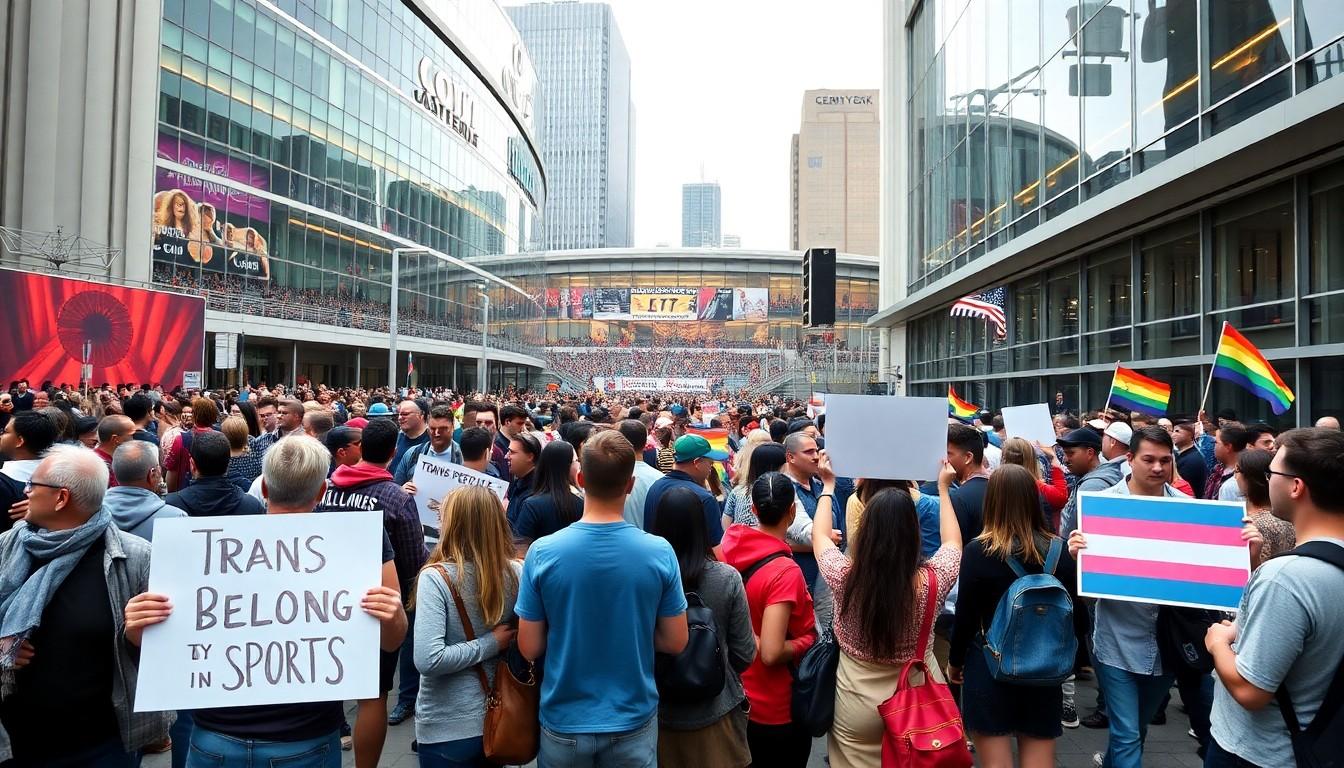
Shoppers are turning to joy, not fury: inside how New York Liberty fans reclaimed the Barclays Center outside the Liberty vs. Indiana Fever game, turning a tense anti-trans moment into a day of celebration that mattered for safety, solidarity and fundraising.
Essential Takeaways
- Visible counteraction: Around 200 trans people and allies staged a Trans Joy Rally outside Barclays, creating a celebratory, upbeat atmosphere rather than confrontation.
- Planned and safe: Organisers worked with a police liaison and a trained safety team, using de-escalation tactics and strict non-engagement rules.
- In-arena support: Season-ticket holders distributed “Trans People Belong in Sports” signs and raised funds for Brooklyn Community Pride Center; over $3,500 was raised.
- Media dynamics: Supportive signage appeared on social media and the Jumbotron, even if TV coverage downplayed the pro-trans visuals.
- Fan networks mobilise: Local women’s sports groups and supporters’ coalitions provided templates, logistics and mutual aid to scale the action quickly.
How fans turned a protest into a party , the power of Trans Joy
The loudest scenes outside Barclays were not just noise, they were intentional: bubbles, music and lawn games replaced the shout-driven energy of a tiny anti-trans contingent with a friendlier, calmer beat. Organisers told Xtra they wanted to show humanity instead of feeding the “monster” narrative often used by opponents. That choice made the rally feel inviting and disarming, and it changed the optics in a hurry.
This approach wasn’t whimsical theatre without craft. According to coverage of the event, the team behind the rally used tactics from community theatre and clinic-escort practice to keep people safe and minimise confrontation. The emotional payoff was real , participants left feeling uplifted, not exhausted , a rare win in a season of culture-war clashes.
Safety first: planning, liaisons and non-engagement rules
One of the smart moves was basic logistics: organisers established a police liaison and a trained safety squad, and communicated clearly that the action was celebratory, not combative. They also instructed people not to engage with the opposing group or news grabbers, a tactic borrowed from abortion clinic escorts and other high-tension organising.
That discipline matters if you want supportive coverage and to avoid giving opponents clips to weaponise. It also protects the people most at risk of harassment, and signals to teams and venues that fans can mobilise responsibly.
Signs, fundraising and in-arena tactics that actually show up on camera
Inside Barclays, season-ticket holders handed out printed signs saying “Trans People Belong in Sports” and added a QR code to raise money for the Brooklyn Community Pride Center. The idea was twofold: make visible the supportive majority inside the arena, and funnel that energy to a local organisation that provides services to the community.
While television broadcasts tried to skirt controversy and showed few signs, the Jumbotron and social feeds filled in the gap. That combination , live presence plus social amplification , is a practical template for fans who want to shift the narrative in their own cities.
How fans’ networks scaled the action fast
This wasn’t lone wolves suddenly becoming activists. The sign templates, safety plans and outreach came through existing networks: Women’s Sports Rally, supporters’ groups for the PWHL and NWSL, and other fan coalitions shared resources and helped with connections. When season-ticket holders posted the plan in a group chat, they were quickly looped into a larger system that could supply experience and muscle.
If you’re thinking of organising at your local arena, this is the takeaway: tap into supporters’ groups, borrow proven templates, and keep the ask simple , visibility, safety and a small fundraising goal go a long way.
Why this matters beyond one game , optics, safety and the future of fan culture
The spike in anti-trans demonstrations around WNBA games has been amplified by national media outlets that profit from outrage, but the Barclays action showed an alternative: fans can reframe a hostile moment as one of care and inclusion. That’s important because arenas have often been described as refuges for LGBTQ+ fans; preserving that feeling matters for attendance, mental health and the culture of fandom.
Practically, teams and venues are watching. When fans organise calmly and effectively, they make it easier for clubs to publicly support inclusion without fear of chaotic fallout. And for the people who turned up, it was a reminder that solidarity can be joyful, visible and actually effective.
It's a small change that can make every cheer and every sign safer and louder.
Source Reference Map
Story idea inspired by: [1]
Sources by paragraph: