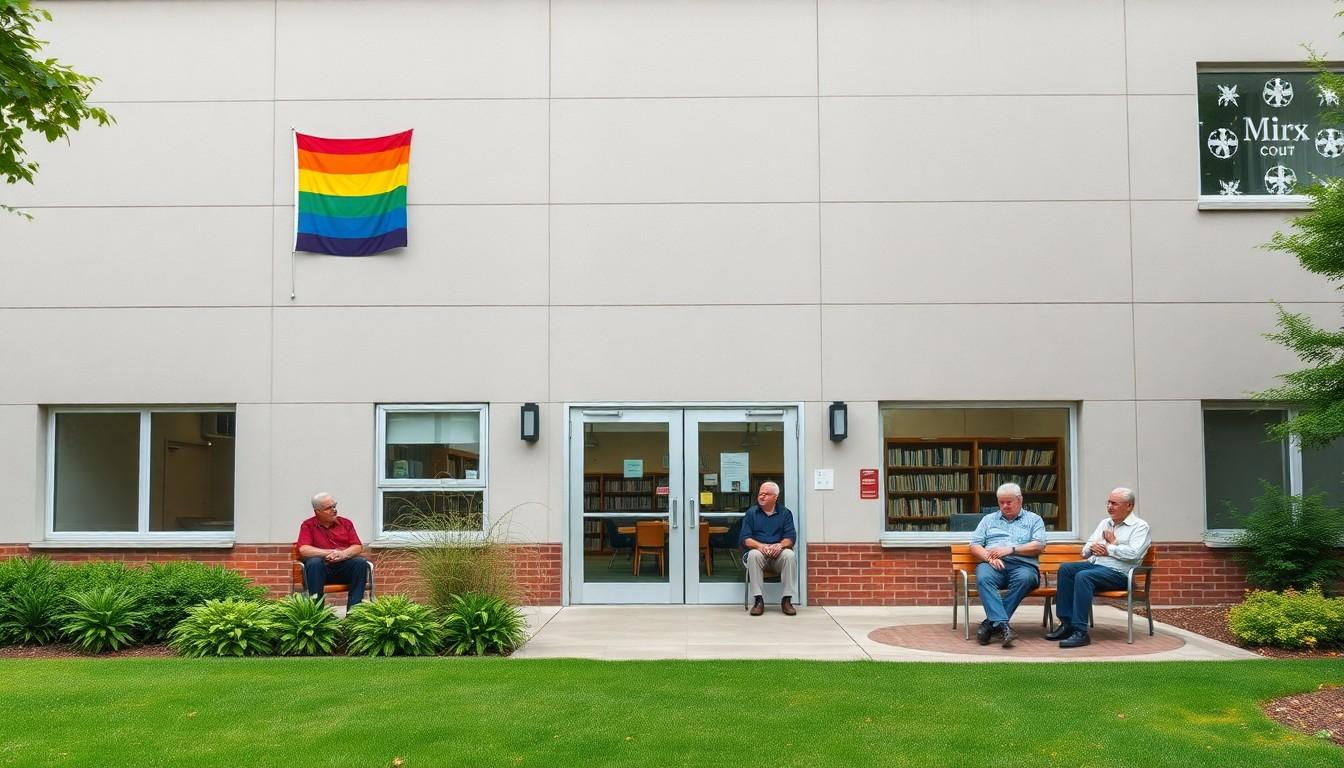
Notice how the room changes as we age: friends who shaped your life gradually disappear, and that shift can bring a loneliness that’s both sharp and strange. For gay men in their 60s this matters more , social networks, chosen families and mentors often carried cultural and survival weight. Here’s what helps, why it matters, and practical steps to rebuild connection.
Essential Takeaways
- Loss is complex: Older gay men often grieve not just people but parts of their shared history and identity.
- Loneliness harms health: Studies link social isolation with poorer physical and mental outcomes for older LGBT+ adults.
- Chosen family matters: Friendships formed under pressure can be deeper and harder to replace.
- Practical steps work: Reaching out, mentoring, joining community groups and volunteering rebuild meaning and networks.
- You’re needed: Becoming the elder people once were can be both scary and deeply rewarding.
Why losing people hits differently after 60
There’s a distinct sting when the people who taught, protected or opened doors for you begin to disappear, and that sting has a texture , a mix of nostalgia, regret and real practical loss. Research into loneliness among older LGBT+ adults shows this isn’t just sentiment; social supports that once kept people safe and visible erode with age, increasing risk for depression and poorer health. So the ache you feel is both emotional and biological, and naming it helps make a plan.
The role of chosen family and why it’s harder to rebuild
For many older gay men, friendships weren’t optional extras but survival tools: confidantes who understood closet rules, workplace threats, and the small economies of queer life. That depth makes those bonds uniquely hard to replace. Studies on ageing LGBT+ populations note that when these networks shrink, men report increased social dislocation and invisibility. The upside is that chosen family skills learned under pressure , empathy, resourcefulness, loyalty , are transferable when you seek new relationships.
Simple steps to reconnect and strengthen support
Start small and be intentional. Call one person you haven’t spoken to in a while, join a local LGBT+ social group or volunteer where your experience matters. Health-policy research suggests formal programmes and community centres reduce loneliness by giving structure to social interaction. If you’re unsure where to begin, local charities, senior centres and faith groups often run low-cost activities; online forums can help if mobility or location is an issue. Pick one consistent activity and treat it like a regular appointment with your future self.
Becoming the mentor you once needed
The shift from mentee to mentor can feel odd, but it’s a powerful remedy for isolation. Younger queer people still need elders who can say, “I’ve been there,” and research highlights the reciprocal benefits of intergenerational contact: younger people gain perspective and elders find purpose. You don’t have to be an expert , sharing stories, offering practical advice or simply listening can forge deep bonds. Consider mentorship programmes at community centres or even informal coffee meet-ups.
Practical tips to protect wellbeing while you grieve
Grief after multiple losses can be complicated, sometimes showing as numbness, sometimes as anger. Clinical studies link prolonged loneliness with worse health outcomes, so treat social connection like a health intervention. Schedule social activities, seek counselling if grief feels immobilising, and look after sleep, diet and movement. Small sensory comforts , a familiar song, an old photo, a walk past a cherished café , can reconnect you to memory without trapping you there.
Looking ahead: what this generation gives next
It’s tempting to see a shrinking circle as a loss of relevance. The reality is the opposite: lived experience becomes a currency younger people desperately need. Passing on lessons, advocating for services for ageing LGBT+ people, or simply being visible in community spaces keeps that history alive. And personally, staying curious , about new hobbies, people or projects , helps remind you that chapters still await.
It’s a small change that can make every hello worth more.
Source Reference Map
Story idea inspired by: [1]
Sources by paragraph: