Notice how many gay lives are quietly shaped to fit other people's comfort , and why recognising homonormativity matters for mental health, identity and community life. Psychotherapist perspectives, research-backed context, and practical steps to live more authentically without losing safety.
Essential Takeaways
- Definition: Homonormativity means adopting heteronormative patterns , neat appearance, monogamy, marriage , to be seen as acceptable.
- Hidden cost: It can mask or cause depression, anxiety, shame and compulsive behaviours when used to repress authentic queer expression.
- Who it targets: Often pressures young, white, middle-class gay men to conform to a narrow ideal; others feel erased or judged.
- Practical fix: Build chosen-family networks, reflect on motivations, and match life choices to personal values rather than external comfort.
- When to seek help: If you notice persistent shame, body image issues, substance use or relationship problems, a therapist familiar with minority stress can help.
What homonormativity looks and feels like
Homonormativity feels tidy and familiar , think sharp suits, neat hair, couple photos and a suburban home that reassures neighbours. According to a psychosexual therapist writing in Psychology Today, it’s the pressure to be a “comfortable” gay person for the straight world, and that image carries sensory cues: pristine outfits, polished profiles, a quiet social life that doesn’t upset anyone. Academic sources from sociology and queer studies describe similar features: alignment with mainstream values, consumerism, and respectability politics in LGBTQ+ circles. Spotting the pattern matters because it’s not just a fashion or relationship choice; it’s a social script that can shape how you live and feel about yourself.
Why people adopt it , safety, status and survival
Lots of us slip into homonormativity because it works. It reduces confrontation, makes family gatherings simpler, and can open doors at work or in neighbourhoods where difference still attracts hostility. Research into minority stress and queer life shows that concealment and performance are often survival strategies. But there’s a trade-off: when conformity is driven by fear rather than genuine preference, it can leave you disconnected from the parts of yourself that actually matter. The therapist’s experience aligns with published studies suggesting this kind of identity management can increase distress over time.
The psychological toll: more than just feeling queued out
When homonormativity is used to suppress authentic queer expression, therapists see a cluster of problems: depression, anxiety, shame, compulsive behaviours, heavy drinking, and body-image preoccupation. Peer-reviewed work on minority stress and queer mental health links chronic concealment and pressured conformity with poorer well‑being and increased risky behaviours. Clinically, people might present with vague unhappiness, perfectionism, or an obsessive focus on appearance and status , and not immediately realise that a desire to “fit in” is driving it. That lack of awareness is part of why the phenomenon stays under the radar.
Not all mainstream choices are harmful , intention is the test
Enjoying marriage, monogamy or parenthood doesn’t automatically mean you’ve been co-opted by homonormativity. The key question is one of intention: do these choices reflect who you are, or are they performed to avoid shame and rejection? Social science reviews caution against pathologising mainstream preferences , queer communities have norms too, and many are healthy and affirming when they arise from within. The practical takeaway is simple: check motives. Reflective questions , “Who benefits from this choice?” and “Would I still choose this if others weren’t watching?” , are a useful compass.
Practical steps to resist the pressure and reclaim authenticity
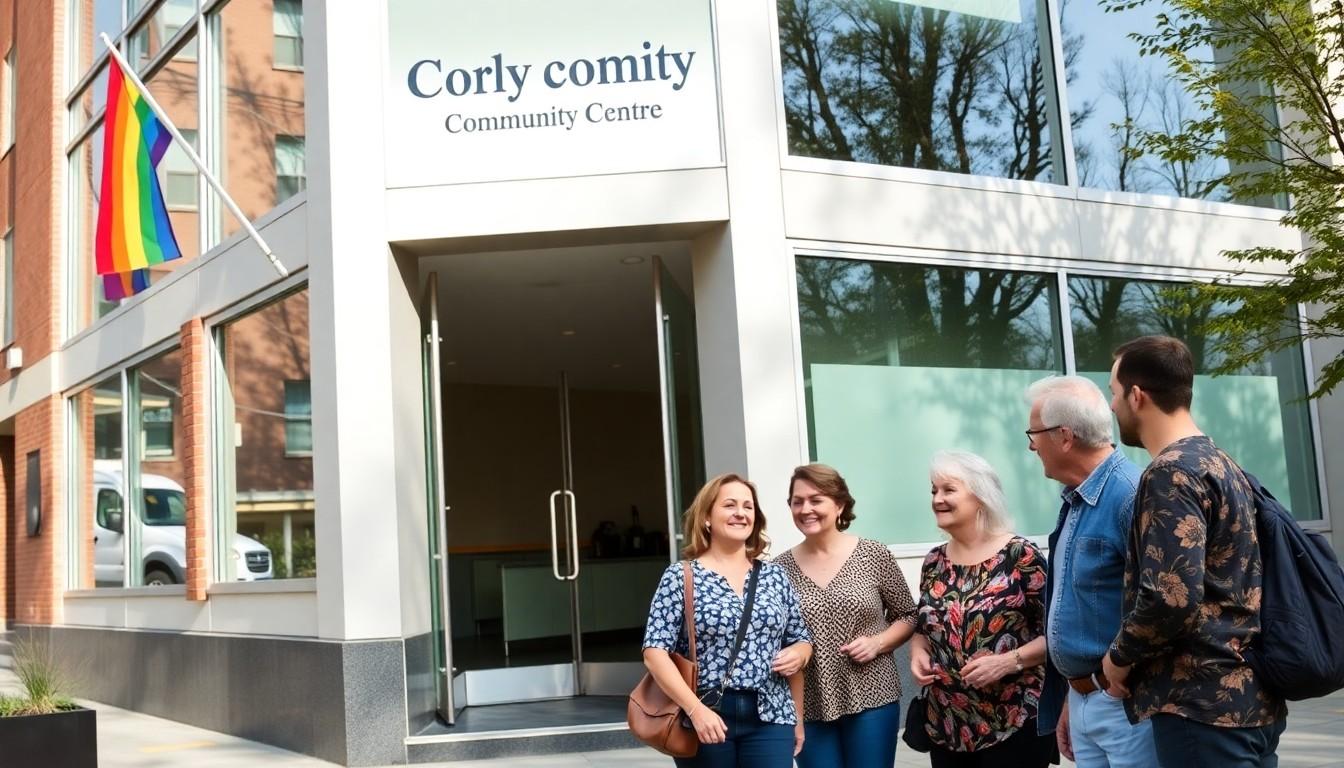
Start small and local. Build a chosen family of friends and peers where you can experiment with honest self-expression without editing. Set boundaries with relatives who demand a “comfortable” version of you, and rehearse short statements that protect your identity. If you’re struggling with shame, body image or substance use, look for therapists or support groups that understand minority stress and queer cultural dynamics. Community spaces , not always the mainstream gay scene , can offer rituals, etiquettes and cultures that affirm diverse queer lives. Remember, resistance doesn’t have to be dramatic: it can be living a quieter, truer life that feels right for you.
It's a small change that can make every step toward being yourself feel safer and more sustainable.
Source Reference Map
Story idea inspired by: [1]
Sources by paragraph: