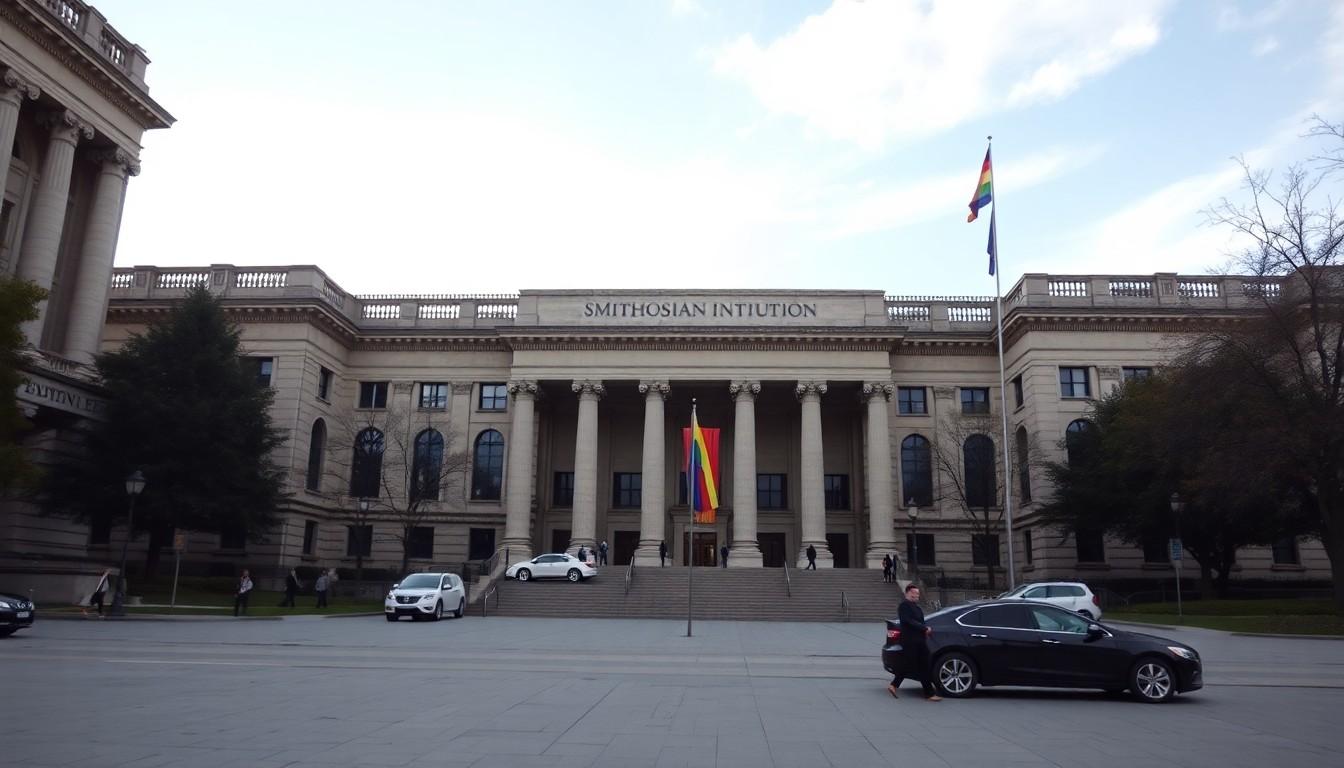
Shoppers of stories and lovers of truth are watching: a Smithsonian curator refuses to let LGBTQ+ history be buried, showing why museum collections and everyday objects matter for future generations. Here’s how those artefacts, from John Waters’ eyeliner to Matthew Shepard’s Superman cape, keep queer lives visible and resilient.
Essential Takeaways
- Curatorial commitment: A Smithsonian curator has quietly led the museum’s LGBTQ+ collecting for decades, building a diverse archive of objects that show both joy and suffering.
- Objects tell feelings: Everyday items, letters, clothing, a well-worn cape, help visitors connect emotionally to people who might never have used modern labels.
- Historical caution: Scholars caution against retroactively assigning modern identities to historical figures; context matters even when evidence is compelling.
- Resistance and resilience: Political attacks and public backlash happen, but institutions and supporters often defend these histories and their place in national narratives.
- Practical preservation: Digital exhibits and careful storytelling keep queer histories accessible even when in-person displays are limited.
Why a lipstick, a pencil sharpener and a ring matter more than you think
The strongest emotional pull in queer archives is often tiny and human: an eyeliner pencil that smells faintly of a famous performer, a childhood cape loved to tatters, or a ring tucked away in an apartment. Those tactile traces make past people feel close enough to touch. According to museum curators, objects let visitors imagine the daily life and private hopes of people who never made headlines. They’re tangible proof that queer lives were lived, loved and fought for.
Curators at major institutions have had to improvise, collecting things that mainstream histories ignored. That improvisation creates texture in displays, joy mixed with grief, art with medical tools used to punish difference. The result is a history that reads like life: messy, beautiful and often contradictory. For visitors, that’s the point; you don’t just learn facts, you recognise someone on the other side of time.
How historians handle the “were they queer?” question
It’s tempting to label colorful or provocative figures from centuries past with the words we use today, but scholars warn against simple translations. Historians and curators note that terms and concepts for gender and sexuality have shifted dramatically, so attributing a modern identity to an ancient person risks erasing context. For instance, emperors or monarchs who dressed outside gender norms or avoided marriage to men may have lived lives we’d now view through queer lenses, but their own understanding was different.
That nuance doesn’t make collecting harder so much as it makes interpretation richer. Museums can present the evidence, suggest possibilities and explain the limits of our knowledge. Visitors leave with a sense of complexity rather than a neat label. That’s useful: it trains people to think historically and to respect the lived realities behind a garment or a notebook.
When institutions face political heat, archives become battlegrounds
Museums don’t exist in a vacuum, and curators working on queer history often find themselves targeted by political critics. Reports, social feeds and rhetoric from certain administrations can single out staff or exhibits as controversial. Yet public reaction is rarely uniform, past disputes have shown pushback alongside strong defence from visitors, scholars and colleagues.
Curators see preservation as a civic duty. They frame their work as part of telling the whole of national history, not a niche story. That positioning helps when debates flare: contextualising queer lives within broader themes, medicine, war, fashion, makes it harder for opponents to argue these stories are irrelevant. Still, staff admit the work is tiring and sometimes dangerous; they keep going because memory matters.
What museum objects teach us about everyday queer life
Big names and major events are important, but objects often spotlight ordinary people whose daily acts of being themselves were quietly revolutionary. Bedtime drawings, letters between lovers, or a supermarket receipt can reveal intimacy, aspiration and identity in ways a headline cannot. Curators emphasise those items because they expand the record beyond public figures to the community at large.
There’s also a pedagogical edge: small objects make complex histories approachable. A child’s cape says more about a boy’s hopes than a dry statistic ever could. A signed record from a lesbian fundraiser connects grassroots organising to later legal victories. Together, these items map a lived history of affection, activism and survival.
Practical tips for supporting and exploring queer history
Want to help or learn more? Visit digital archives if in-person exhibitions are limited, many museums have rich online collections. Donate objects or oral histories to local institutions if you can, and document provenance so future curators can tell accurate stories. When you visit exhibits, ask questions about context and interpretation; museums value engaged audiences. And if you see political attacks on cultural memory, consider signing petitions or writing to representatives, public support sways boards and funders.
Final line It’s a small shift to value an object’s story, but it’s one that keeps queer lives visible for the future.
Source Reference Map
Story idea inspired by: [1]
Sources by paragraph: