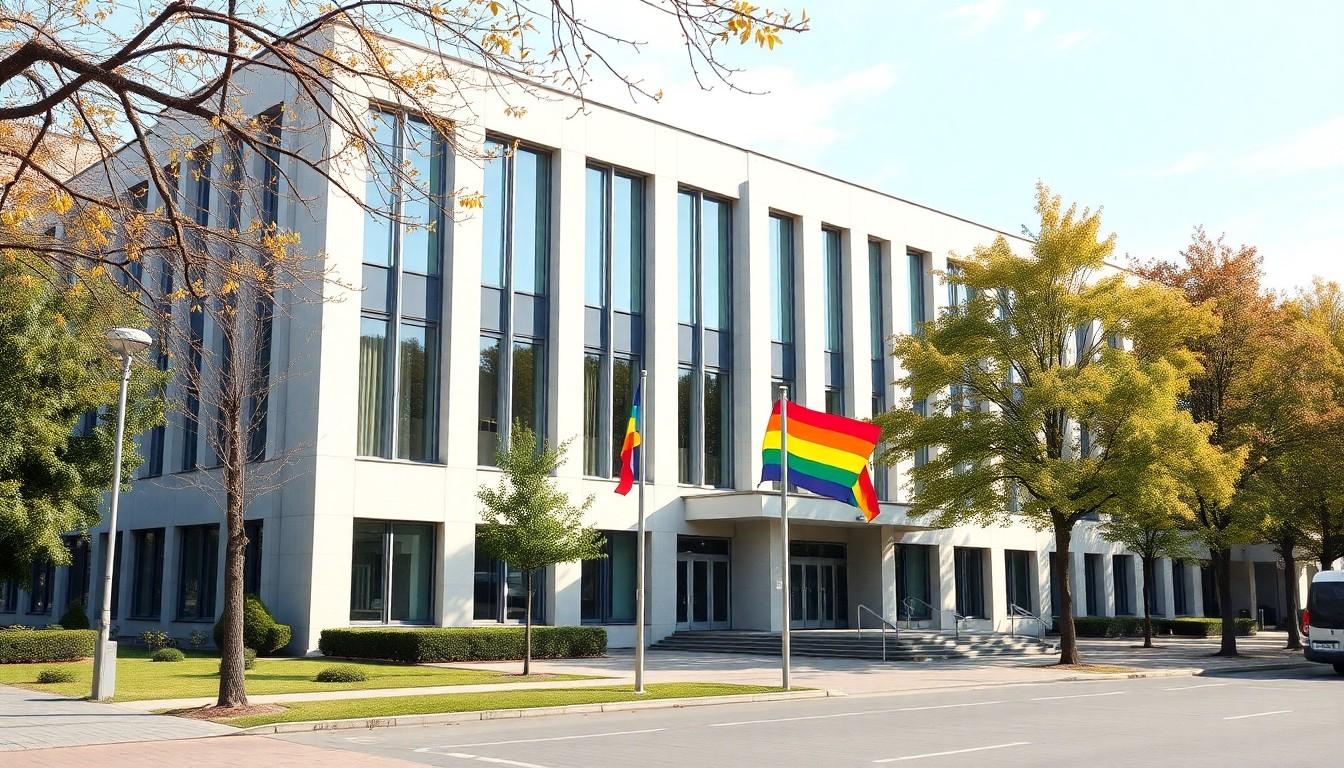
Shoppers are scrolling and citizens are talking: four weeks after the attack at Berlin’s Christopher Street Day, Sophie Koch, the federal queer commissioner, is urging clearer legal shields for LGBTQ+ people , from a change to Article 3 to better policing and boosted funding for queer projects. It matters because everyday hostility has become as urgent as headline violence.
Essential Takeaways
- Legal push: Sophie Koch wants Article 3 of the Grundgesetz amended to explicitly ban discrimination based on sexual orientation and gender identity, giving queer people constitutional protection.
- Everyday harm: Koch and campaigners warn queerfeindlichkeit isn't only spectacular attacks but rising everyday violence, online hate, and discrimination.
- Police & prevention: Calls include nationwide police training on queer hostility and stronger prevention measures rather than only punitive responses.
- Community support: Organisations demand better funding for queer projects and political recognition in coalition talks; some parties resist constitutional change.
- Political divide: While SPD and some ministers back constitutional protection, the Union has opposed such an amendment, making parliamentary debates likely and fraught.
Why Sophie Koch wants Article 3 changed , practical clarity, not symbolism
Koch has said the current patchwork of protections isn't enough; a clear line in Article 3 would prevent rights being rolled back and put queer equality on the same constitutional footing as other protected grounds. The proposal feels tactile , it promises a firm legal backbone that courts, employers and public authorities could point to when rights are threatened. According to reports, that’s exactly what advocates and parts of the government want: not only words but enforceable standards.
The suggestion follows the CSD attack in Berlin, which sharpened public attention. For many campaigners the aim is simple: make discrimination unmistakably illegal in the most basic law of the land so local fights don't depend on temporary regulations. If you’re wondering what that would change day to day, lawyers say it would strengthen claims in court and encourage institutional reform across schools, workplaces and public services.
Everyday queerfeindlichkeit: why the debate is about more than terror
Koch and others point out that while terror attacks grab headlines, the bulk of harm happens in shops, online or on public transport , slow, grinding exclusion that leaves scars. Media coverage after the Berlin attack shifted from emergency response to questions about the regular incidents that queer people face. That everyday perspective underpins calls for constitutional protection: it’s meant to cover routine exclusions that otherwise fly under the radar.
Practically, recognising such discrimination in the Grundgesetz could unlock resources and attention for prevention campaigns and support services. It also signalises to schools, hospitals and police that queer hostility is not a fringe issue but a systemic problem requiring institutional response.
Training police and investing in prevention , what actually helps
Koch wants better police training nationwide so officers can recognise and respond to queerfeindlichkeit with sensitivity and competence. Campaigners argue that a uniform approach would reduce inconsistent handling between states and build trust within queer communities. That matters when people hesitate to report incidents because they fear being dismissed or retraumatised.
Alongside training, advocates call for funding frontline queer organisations and prevention projects. Funded groups can offer low-threshold advice, outreach and recovery services , practical help that matters more than slogans. If you’re choosing which campaign to support locally, look for those doing both advocacy and victim support.
The political tug-of-war: who’s on board and who’s blocking change
There’s growing momentum: ministers in the SPD and the federal anti-discrimination commissioner have publicly backed better constitutional protection, and parts of the parliamentary left want a swift vote. Yet the Union has resisted, warning about legal and political consequences of amending the Grundgesetz. That split means any change would require serious cross-party negotiation.
Expect the debate to range from careful legal drafting , how to phrase protections so they’re effective , to broader culture-war arguments. For queer activists, the political friction is frustrating but not new; constitutional change would be a long game that needs public pressure and parliamentary arithmetic.
What this would mean for queer people and communities , small wins, big signal
If Article 3 were expanded, queer people would gain a constitutional safeguard civil courts could enforce, and public institutions would face clearer obligations. That’s the legal win. Culturally, enshrining protection in the Grundgesetz would be a powerful message: queer lives matter as a matter of law. Organisation leaders have warned that without such steps, policy shifts in coalition talks might ignore queer needs.
On the ground, you’d probably see better resourcing for community projects, improved police responses and stronger case law protecting individuals from discrimination. It won’t erase hostility overnight, but it would change the toolkit available to fight it.
It's a small change that can make every right clearer and every day a bit safer.
Source Reference Map
Story idea inspired by: [1]
Sources by paragraph: