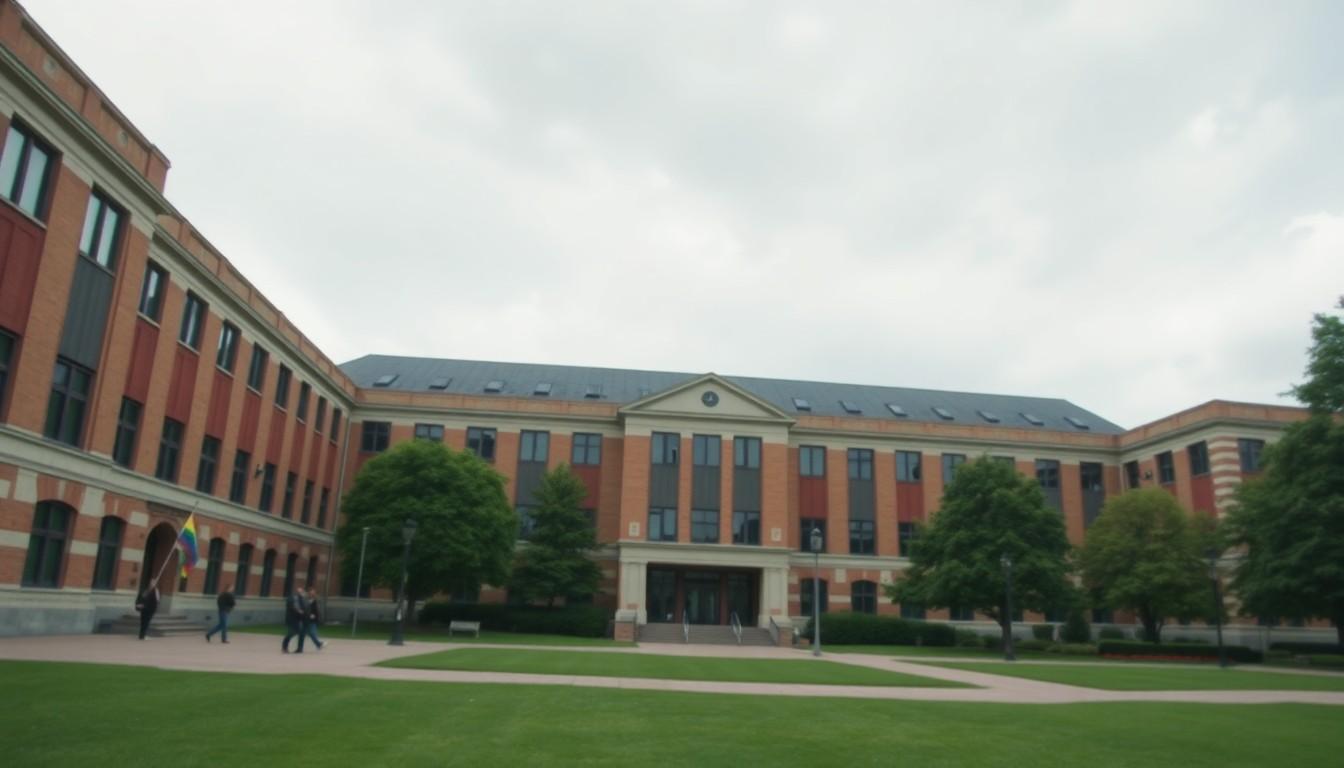
Spotlighting courage and change, VCU will unveil a historical marker this October honouring the Gay Alliance of Students , the university’s first openly LGBTQ+ student organisation , a small but powerful reminder of why student voices and constitutional rights still matter on campus.
Essential Takeaways
- Historic ruling: The Fourth Circuit’s 1976 Gay Alliance of Students v. Matthews decision found VCU’s refusal to recognise the group violated the First and Fourteenth Amendments.
- Regional impact: The court precedent extended protections to student groups across Virginia, Maryland, North Carolina, South Carolina and West Virginia.
- Commemoration plans: A marker will be revealed on October 16, paired with a gala and archival displays celebrating the 50th anniversary of the case.
- Visible welcome: University leaders say the marker signals VCU’s commitment to inclusion today; the story is documented in campus archives and new digital collections.
- Contemporary echo: Similar legal fights over Gay-Straight Alliances persist in Virginia schools, showing the case’s continued relevance.
Why a stone on campus matters: a tangible reminder of a courtroom victory
The strongest gesture the university could make is simple and visible: a marker students will pass every day, with a calm, factual text that still feels brave. VCU’s marker recounts how students formed the Gay Alliance of Students in 1974 and then spent two years fighting for official recognition. According to university materials, the 1976 appeals court decision forced VCU to change course and set a legal precedent for the region. Walking past a plaque doesn’t change yesterday, but it makes history one of the campus’s everyday sights.
How the legal fight unfolded and why it mattered beyond Richmond
Back in the mid-1970s, VCU leaders initially denied the group official status, prompting a two-year legal battle that reached the U.S. Court of Appeals for the Fourth Circuit. The ruling wasn’t just about campus clubs; it affirmed that universities can’t single out student organisations for discrimination without running afoul of the Constitution. University and library archives now hold documents and reflections from that era, and VCU’s reporting notes the case’s ripple effect across five states. For anyone who studies civil rights, it’s a neat example of how small local fights can shape wider law.
Galleries, digital archives and the 50th anniversary momentum
This commemoration hasn’t come out of nowhere. VCU Libraries and campus historians have spent the past year gathering papers, photos and oral histories tied to the Gay Alliance of Students. New digital collections make those materials easier to browse, so alumni and researchers can trace the story online before the marker’s unveiling. If you’re planning to attend the gala or the October event, expect a mix of personal recollections and archival evidence , the tactile files that make the past feel close and human.
What the marker says , and what university leaders hope it will do
The approved text lays out the basics: the Alliance’s founding in 1974, VCU’s initial refusal, the Fourth Circuit’s 1976 ruling, and the decision’s regional implications. University spokespeople say the marker is intended to tell current students that VCU “is for everyone” and that voices on campus matter. Josh Leidy, who oversees affinity programmes, framed it as a recognition of student courage. It’s the kind of symbolic act that also carries an implied lesson: institutions can change, and vigilance matters.
Why this history still matters for students and parents today
The fight from five decades ago is mirrored in present disputes over Gay-Straight Alliances and other LGBTQ+ clubs in K–12 and higher education. Recent lawsuits in Virginia show school boards still grapple with similar questions about equal treatment and student rights. For parents and students choosing campuses, the marker is both reassurance and reminder , a sign that the institution remembers what it took to arrive at a more inclusive present. Practically, it’s also a prompt to check campus resources and student groups before you enrol.
It's a small change that helps make every student’s voice harder to ignore.
Source Reference Map
Story idea inspired by: [1]
Sources by paragraph: